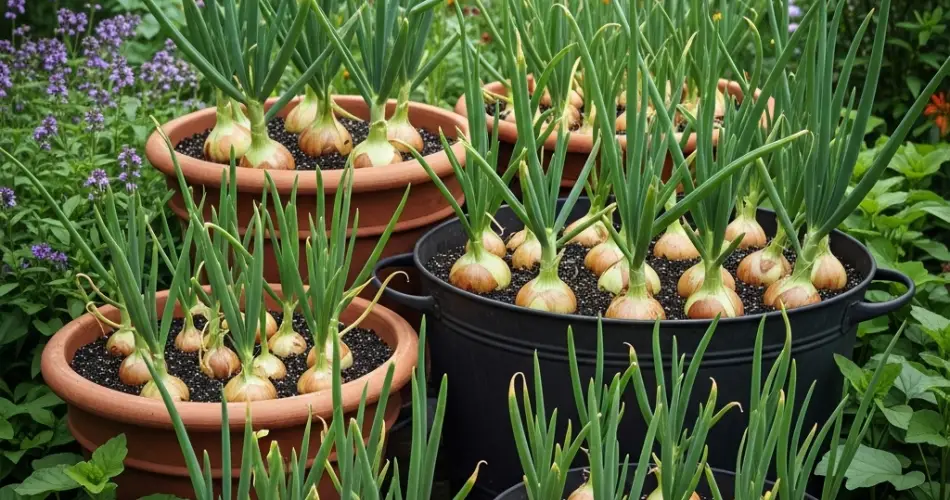
Growing onions at home doesn’t require a backyard or large plot of land. With container gardening, you can cultivate fresh, flavorful onions right on your doorstep—whether that’s a balcony, porch, or windowsill. Onions are an excellent choice for container growers because they’re hardy, space-efficient, and low maintenance. With the right setup and care, you can enjoy a reliable supply of homegrown onions just steps from your kitchen.
Here’s a complete guide to growing onions in containers—from selecting the right type to harvesting and storing your crop.
Why Grow Onions in Containers?
Container gardening is perfect for those with limited outdoor space or who want to keep their vegetables close to home. Onions adapt well to pots and grow successfully even in compact areas, making them an ideal crop for beginners and seasoned gardeners alike.
Benefits of growing onions in containers:
-
Saves space—ideal for balconies, patios, and small yards
-
Reduces the risk of soil-borne pests and diseases
-
Easier to manage watering and soil quality
-
Portable—move containers to follow the sun
-
Allows for staggered planting and harvests
Choosing the Right Container
Onions grow best when they have enough room for their roots and bulbs to expand. Choosing the correct container size and shape will give your plants the environment they need to thrive.
Container guidelines:
-
Depth: At least 10–12 inches deep
-
Width: A 12-inch wide pot can hold 6–8 onion plants
-
Drainage: Must have several holes at the bottom to allow excess water to escape
-
Material: Plastic, fabric grow bags, wooden boxes, or clay pots all work, as long as they drain well
Avoid shallow containers, which restrict bulb growth and make plants more prone to drying out.
Selecting Onion Types
Onions are categorized based on the amount of daylight they need to form bulbs. Choosing the right type for your climate is essential for a successful harvest.
Day-length categories:
-
Short-day onions: Need 10–12 hours of daylight and are best for southern regions
-
Long-day onions: Require 14–16 hours of daylight; ideal for northern climates
-
Intermediate-day onions: Adaptable to most regions; a good choice if you’re unsure
You can grow onions from seeds, transplants, or sets (small, dormant onion bulbs). Sets are easiest for beginners, while seeds allow for more variety and are more cost-effective in the long run.
Soil and Planting Preparation
Onions need loose, nutrient-rich, and well-draining soil. Dense or compacted soil can hinder bulb development.
Recommended soil mix:
-
2 parts high-quality potting mix
-
1 part compost or aged manure
-
Add perlite or coarse sand for better drainage
-
Optional: mix in a slow-release, balanced organic fertilizer
Fill your container with the prepared soil, leaving about an inch from the top to allow room for watering.
Planting Instructions
Whether using sets or transplants, proper spacing and depth are key to healthy onion growth.
Steps to plant onions in containers:
-
Make small holes about 1–2 inches deep
-
Place the onion sets or transplants in the holes with the pointed end facing up
-
Space each one 3–4 inches apart
-
Cover with soil and firm it gently around the base
-
Water thoroughly to help the roots settle
You can also plant more densely if you plan to harvest young green onions instead of mature bulbs.
Light and Watering Needs
Onions need plenty of light and steady moisture to thrive. Place your container in the sunniest spot available.
Light requirements:
-
Minimum 6–8 hours of direct sunlight per day
-
If indoors or in low-light areas, consider using a full-spectrum grow light
Watering tips:
-
Keep soil evenly moist but not soggy
-
Water when the top inch of soil feels dry
-
Avoid letting the container dry out completely
-
Be careful not to overwater—onions are sensitive to soggy roots
Mulching the soil surface with straw or dry leaves can help retain moisture and reduce evaporation.
Fertilizing and General Care
Onions benefit from regular feeding, especially when grown in containers, where nutrients are used up more quickly.
Fertilizing tips:
-
Apply a nitrogen-rich fertilizer every 2–3 weeks during early growth
-
Switch to a phosphorus and potassium-rich fertilizer once bulbs begin to form
-
Use compost tea, fish emulsion, or a balanced liquid fertilizer for best results
Keep an eye out for pests like onion maggots, thrips, or fungal spots. Neem oil or insecticidal soap can be used to control minor infestations.
Harvesting Your Onions
Depending on the variety and whether you started from seed, transplant, or set, onions typically take 90 to 120 days to mature.
How to harvest:
-
For green onions: harvest when stems are about 6–8 inches tall
-
For bulb onions: wait until the tops start to yellow and fall over naturally
-
Loosen the soil and gently pull the onions by hand
-
Cure bulb onions by laying them in a dry, shaded, well-ventilated area for 7–10 days
-
Trim tops and roots after curing and store in a cool, dry place
Properly cured onions can last for several months in storage.
Final Thoughts
Growing onions in containers is a simple, practical way to enjoy a continuous supply of this kitchen essential—right outside your door. With just a few pots, quality soil, and some sunlight, you can cultivate flavorful onions year-round, regardless of the size of your garden.
Container gardening empowers you to eat fresh, stay connected with your food, and turn any small space into a productive edible garden. With onions at your doorstep, flavor is never far from your next meal.


