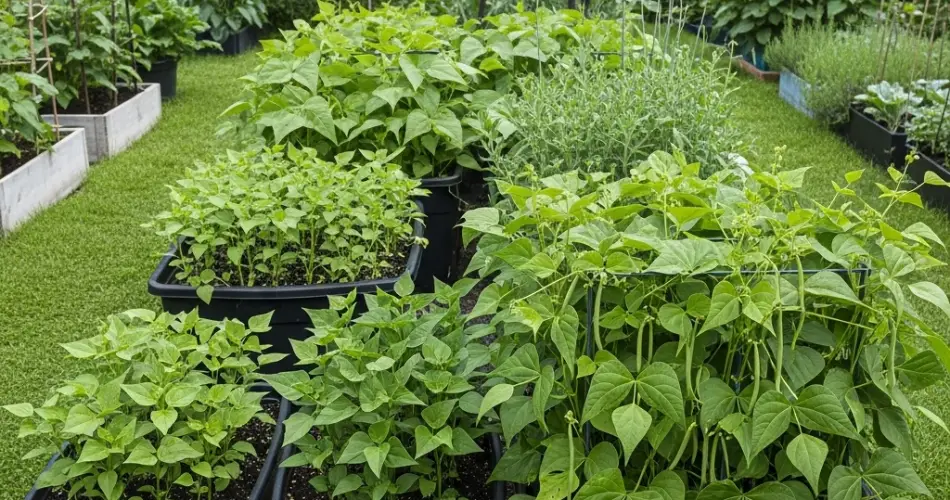
Green beans are among the easiest and most rewarding vegetables to grow in containers, making them a perfect choice for balcony gardeners. Whether you’re working with a small apartment balcony, a rooftop terrace, or a sunny patio, green beans can thrive in pots with the right care. Their rapid growth, attractive foliage, and generous harvest make them ideal for anyone who wants to grow fresh food in limited space.
Here’s a complete guide to growing green beans in containers, covering everything from selecting the right variety to harvesting crisp, flavorful pods.
Why Grow Green Beans in Containers?
Green beans adapt well to container growing, especially in urban environments where ground space is limited. With the right setup, they can produce a steady supply of nutritious beans while adding greenery and vertical interest to your balcony.
Benefits of container-grown green beans:
-
Space-efficient, especially when grown vertically
-
Suitable for balconies, patios, and small yards
-
Quick to grow and harvest—ready in 50 to 70 days
-
Easy to care for and pest-resistant
-
Beautiful as ornamental greenery and edible plants
Choosing the Right Bean Variety
Green beans come in two main types: bush beans and pole beans. The best one for your balcony depends on your available space and vertical growing capacity.
Bush beans:
-
Compact and self-supporting
-
Grow to about 18–24 inches tall
-
Ideal for small containers and limited vertical space
-
Mature quickly and produce all at once
Pole beans:
-
Vining and climb up trellises or stakes
-
Can grow 6–10 feet tall
-
Produce over a longer period
-
Best for gardeners who want continuous harvests and have space for vertical supports
Popular varieties include ‘Provider’ and ‘Contender’ for bush types, and ‘Blue Lake’ or ‘Kentucky Wonder’ for pole types.
Selecting Containers
The container you choose should allow enough room for root development and drainage to prevent waterlogging.
Container requirements:
-
Depth: At least 10–12 inches
-
Width: 12 inches for bush beans; larger for multiple plants or pole beans
-
Material: Plastic, clay, fabric grow bags, or wood
-
Drainage: Must have holes at the bottom to prevent root rot
Pole beans will need a sturdy trellis, bamboo stake, or string support installed in the container to help the vines climb.
Soil and Planting Tips
Green beans prefer loose, fertile, and well-draining soil. A nutrient-rich mix helps ensure fast growth and productive harvests.
Soil mix:
-
High-quality potting mix
-
Enriched with compost or aged manure
-
Add perlite or coco coir to improve drainage and aeration
Planting instructions:
-
Sow seeds directly into the container—beans don’t transplant well.
-
Plant seeds about 1 inch deep and 2–4 inches apart.
-
For pole beans, place seeds around the base of the trellis or support.
-
Water thoroughly after planting.
Beans germinate quickly, often sprouting within 5 to 10 days in warm conditions.
Light and Watering Needs
Beans love the sun and need adequate moisture for healthy development.
Sunlight:
-
Full sun is best—6 to 8 hours daily
-
If your balcony only gets partial sun, choose bush varieties for better results
-
Rotate pots occasionally to ensure even exposure
Watering:
-
Keep soil consistently moist but not soggy
-
Water when the top inch of soil feels dry
-
In hot weather, check moisture daily—containers dry out faster than garden beds
-
Avoid wetting the leaves to prevent fungal issues
Mulching the soil surface with straw or dried leaves helps retain moisture and reduce evaporation.
Fertilizing and Plant Care
Green beans don’t need heavy feeding, but a little nutrition boost can help with pod production.
Fertilizer tips:
-
Use a balanced, organic liquid fertilizer every 2–3 weeks
-
Avoid high-nitrogen fertilizers—they encourage leaf growth at the expense of beans
-
Compost tea or fish emulsion are good natural options
General care:
-
Provide support early for pole varieties to prevent root disturbance
-
Thin seedlings if overcrowded to improve air circulation
-
Keep the container free from weeds and debris
-
Watch for pests like aphids or spider mites—spray with neem oil if needed
Harvesting Green Beans
Harvesting at the right time encourages the plant to keep producing. The more you pick, the more beans you’ll get.
When and how to harvest:
-
Begin harvesting when beans are firm, smooth, and about 4–6 inches long
-
Pick before seeds inside the pods become too large
-
Use scissors or gently snap pods off to avoid damaging the plant
-
Harvest every few days to keep production going
Bush beans tend to produce a full crop at once, while pole beans will keep yielding over several weeks.
Final Thoughts
Green beans are a fast, easy, and rewarding vegetable for balcony gardeners. Whether you opt for compact bush varieties or climbing pole beans, they offer a generous harvest with minimal space and effort. With just a container, some good soil, and a sunny spot, you can enjoy crisp, homegrown beans straight from your balcony.
This compact crop not only provides fresh produce for your kitchen but also adds greenery and life to your urban space. Container gardening with green beans is proof that fresh food can grow almost anywhere—even just outside your door.


