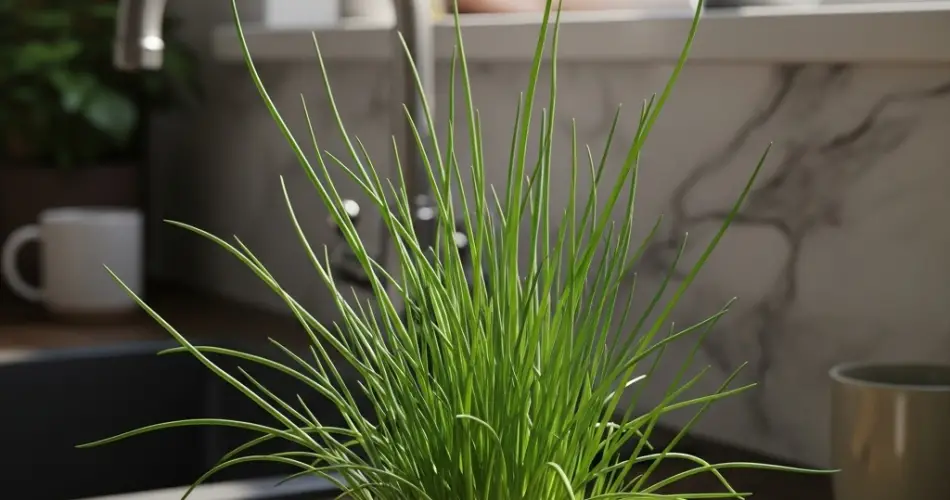
For anyone living in a small apartment or a compact home, the idea of growing fresh herbs might feel out of reach. Limited outdoor space often makes gardening seem impractical. But with kitchen gardening, even the tiniest homes can enjoy the flavors of fresh herbs every day. One of the easiest and most rewarding herbs to grow indoors is chives. Compact, resilient, and full of flavor, chives thrive in small pots and fit perfectly into a kitchen setting. Their fresh, onion-like taste elevates everyday meals while their lush green leaves add a touch of beauty to your cooking space.
Why Choose Chives for Indoor Gardening?
Chives are part of the allium family, related to onions and garlic, and they offer a delicate onion flavor without being overpowering. Unlike larger plants, they adapt well to containers, grow quickly, and don’t need much space to thrive. For compact homes, they’re an excellent herb to keep within arm’s reach.
Chives are also perennials, meaning once established, they can live and produce for years. With proper care, you’ll always have a fresh supply of leaves to snip and sprinkle into soups, salads, scrambled eggs, or even baked potatoes.
Setting Up Your Chive Garden
Growing chives indoors starts with choosing the right container. Because they have shallow roots, chives don’t require deep pots. A container that is at least 6 inches in depth and 6–8 inches in diameter is ideal. Make sure the pot has drainage holes to prevent soggy soil, which can damage the roots.
When it comes to soil, chives prefer a rich, well-draining mix. You can use a general-purpose potting mix but improve it by adding a little compost or organic matter for nutrients. Since chives are long-lasting herbs, giving them nutrient-rich soil from the start ensures healthier growth.
Light and Location
Chives need about 6 hours of sunlight per day to thrive. Place your pot on a sunny windowsill—south- or west-facing windows are often the best spots in compact homes. If your kitchen doesn’t get much natural light, consider using a small grow light. These lights are compact, energy-efficient, and perfect for small apartments.
Watering Needs
Chives prefer consistently moist soil but not waterlogged conditions. Check the top inch of soil before watering—if it feels dry, give the plant a drink. Because they are grown indoors, evaporation happens more slowly than outside, so be careful not to overwater. It’s better to water less frequently than to risk soggy soil.
Misting the leaves occasionally can help keep the plant fresh, especially in dry indoor air caused by heaters or air conditioning.
Harvesting Chives
One of the joys of growing chives indoors is that you can harvest as you need. Once the leaves reach about 6 inches tall, they are ready to be cut. Use clean scissors to snip leaves close to the base, but always leave at least 2 inches of growth so the plant can regenerate. Regular harvesting actually encourages fuller, bushier growth.
If the plant starts producing flower buds, you can let them bloom for ornamental purposes—chive flowers are edible and add a mild onion flavor to dishes. However, trimming flower stalks early will direct the plant’s energy back into producing more leaves.
Using Chives in Everyday Cooking
Chives are one of the most versatile herbs you can grow in a small kitchen. Their mild onion flavor pairs beautifully with a variety of foods. Add freshly snipped chives to salads, omelets, soups, and sauces. They are also excellent as a garnish, bringing both flavor and a pop of green color to finished dishes.
For a quick flavor boost, stir chives into cream cheese or butter to create a simple herb spread for bread or crackers. You can even add them to mashed potatoes for a classic dish with a fresh twist.
Keeping Your Chives Healthy
Chives are generally low-maintenance, but a few tips will help them stay lush in compact homes:
-
Fertilize lightly: Every 4–6 weeks, feed your chives with a diluted liquid fertilizer or organic compost tea. Too much fertilizer will produce excessive growth but reduce flavor intensity.
-
Prune regularly: Snipping leaves often keeps the plant productive and prevents it from becoming straggly.
-
Divide when needed: If your chive clump grows too dense, gently divide the plant into smaller sections and replant them in new containers. This not only refreshes growth but gives you more pots of chives around the home.
Final Thoughts
Chive gardening in the kitchen proves that even compact homes can enjoy the luxury of fresh, homegrown herbs. With their minimal space requirements, adaptability, and delicious flavor, chives are one of the best herbs to grow indoors. By giving them adequate sunlight, proper watering, and occasional harvesting, you’ll have a steady supply of fresh chives ready to enhance your everyday cooking.
Whether you live in a studio apartment or a small city home, a pot of chives on your kitchen shelf can transform simple meals into flavorful creations. Growing herbs indoors isn’t just practical—it also connects you to the joy of gardening, no matter how limited your space.