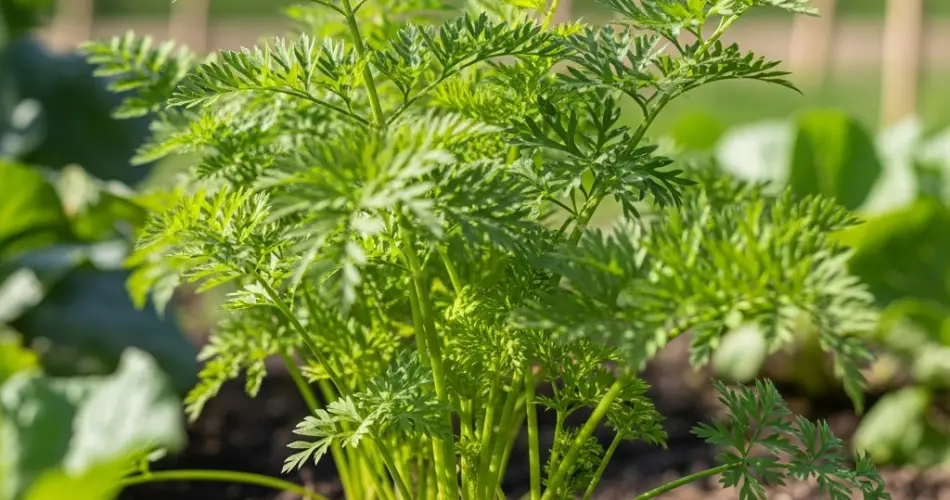
Carrots are a favorite among home gardeners for their crisp texture, sweet flavor, and nutritional value. But growing them successfully starts with one key decision: how to plant the seeds. Many gardeners debate whether soaking carrot seeds before planting is better than direct sowing them into the soil. Each method has its advantages and challenges. Understanding these differences can help you choose the best approach for your garden.
Understanding Carrot Seeds
Carrot seeds are tiny and lightweight, which makes them somewhat difficult to handle during planting. They also have a hard outer shell that can slow down germination. Typically, carrot seeds take about 14 to 21 days to germinate, and even longer in cooler soils. Because of this slow germination, many gardeners explore ways to speed up the process and improve success rates—leading to the practice of pre-soaking seeds.
The Case for Soaking Carrot Seeds
Soaking carrot seeds involves placing them in water for a period before sowing. This helps soften the seed coat, encouraging faster and more uniform germination. Here’s how the soaking process works:
-
Preparation: Place the seeds in a bowl of lukewarm water.
-
Soaking Time: Let them soak for 12 to 24 hours. Avoid soaking them for longer than 24 hours as this can lead to rotting.
-
Draining and Drying: After soaking, drain the seeds and let them dry slightly so they can be handled more easily.
-
Sowing: Plant the seeds directly into the soil, spacing them appropriately.
Benefits of Soaking
-
Faster Germination: Soaked seeds often sprout several days earlier than dry seeds.
-
Improved Germination Rates: Hydration gives seeds a head start, increasing the chances of success.
-
Stronger Starts: Soaked seeds may produce more vigorous seedlings early on.
However, soaking also has a few downsides. Wet seeds can clump together, making even distribution difficult. There is also a risk of over-soaking, which can cause seeds to rot before planting.
The Simplicity of Direct Sowing
Direct sowing is the traditional method where carrot seeds are planted straight into the garden bed without any pre-treatment. This method is straightforward, time-saving, and requires less handling of the tiny seeds. Here’s how to direct sow carrot seeds effectively:
-
Soil Preparation: Loosen the soil deeply, removing rocks and debris to prevent misshapen roots.
-
Sowing Depth: Plant seeds about ¼ inch deep in rows spaced at least 12 inches apart.
-
Watering: Keep the soil moist until germination occurs, which may take up to three weeks.
-
Thinning: Once seedlings appear, thin them out to prevent overcrowding.
Advantages of Direct Sowing
-
Less Handling: Tiny carrot seeds are difficult to manage; sowing them dry reduces clumping.
-
No Pre-Planning: You can sow seeds immediately without waiting for a soaking period.
-
Natural Germination: Seeds sprout in response to the soil environment, which may help with natural selection of the strongest plants.
The main drawback of direct sowing is the slower and less predictable germination. Dry seeds might take longer to sprout, especially in cool or dry soil conditions.
Which Method is Best?
The best method often depends on your gardening goals and local climate:
-
Use soaking if you want faster and more uniform germination, especially in cooler climates or when starting carrots early in the season.
-
Use direct sowing if you prefer a low-maintenance approach or are planting a large area and want to keep the process simple.
In regions with short growing seasons, soaking can provide a head start. In warm climates with long growing windows, direct sowing may be sufficient. Some gardeners even combine both methods—soaking seeds before sowing during early spring and switching to direct sowing in warmer months.
Additional Tips for Success
-
Mulch after planting to retain moisture and maintain consistent soil temperature.
-
Water gently and consistently to keep the top layer of soil moist during the germination phase.
-
Label rows when sowing, since carrot seedlings are tiny and easily mistaken for weeds.
-
Practice succession planting every few weeks to enjoy a continuous harvest throughout the season.
Final Thoughts
Whether you choose to soak your carrot seeds or sow them directly, proper soil preparation and consistent moisture are key to success. Both methods can yield healthy, delicious carrots when executed with care. Try experimenting with both techniques to discover what works best for your garden conditions and growing preferences.


