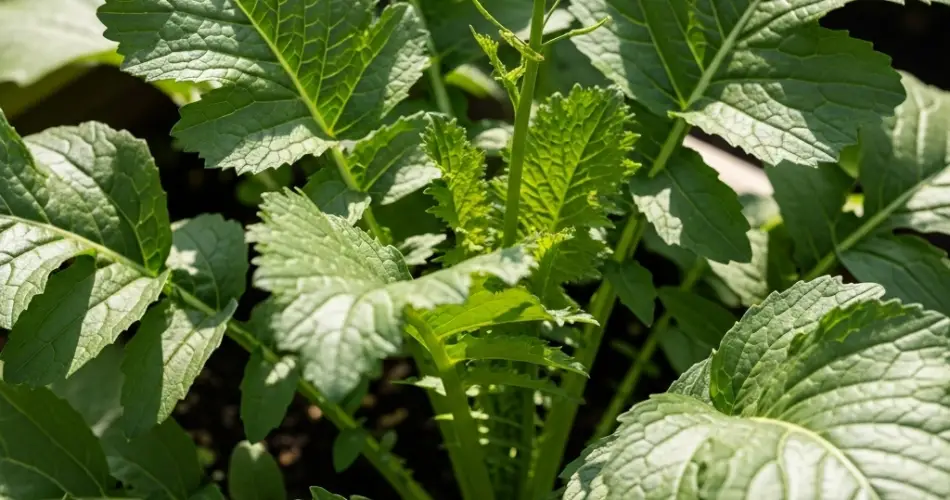
Turnip greens are one of the most underrated leafy vegetables you can grow at home. Not only are they rich in nutrients like vitamins A, C, and K, but they also grow quickly and can be harvested multiple times from a single plant—if done correctly. Many home gardeners make the mistake of pulling the entire plant or cutting off too many leaves at once, which stunts growth or kills the plant entirely. The key to enjoying a steady supply of tender greens lies in harvesting carefully and at the right time.
This guide explains how to harvest turnip greens without harming the plant, so you can enjoy an ongoing supply of fresh, flavorful leaves throughout the growing season.
Understanding Turnip Plant Growth
Turnips (Brassica rapa) are grown both for their leafy tops and for their edible roots. The leaves, or greens, grow in a rosette pattern from the crown of the plant. If managed properly, the leaves can be picked repeatedly while the root continues to grow underground.
Turnips are typically ready for green harvest within 30–40 days after planting. You can begin harvesting the greens long before the roots are mature, and the plant will keep producing as long as it remains healthy and the growing conditions are favorable.
When to Start Harvesting Turnip Greens
The timing of your first harvest matters. If you pick the greens too early, you risk stunting the plant. Wait until the leaves are at least 4–6 inches tall before harvesting. At this stage, the greens are tender and flavorful, perfect for cooking or adding fresh to salads.
Keep in mind that younger leaves tend to be milder and more tender, while older leaves may develop a stronger, more peppery taste and tougher texture.
The Right Way to Harvest Without Killing the Plant
Here’s how to harvest turnip greens while allowing the plant to continue growing and producing:
1. Harvest the Outer Leaves Only
Always pick the outer, mature leaves first. These are the older leaves that the plant can afford to lose. Leave the center of the plant intact—this is where new leaves emerge.
-
How to do it: Use scissors or your fingers to snip the leaf stems about 1–2 inches above the crown of the plant. Avoid tearing or damaging the center leaves.
2. Don’t Take More Than One-Third of the Plant at a Time
Overharvesting is one of the most common mistakes. Removing too many leaves at once can shock the plant, slowing down its growth or causing it to stop producing altogether.
-
Best practice: Harvest no more than 1/3 of the total leaves during each harvest session. This allows the plant to continue photosynthesizing and regenerating.
3. Allow Recovery Time
After each harvest, give the plant time to recover and regrow its leaves. This usually takes about 7–10 days under optimal growing conditions. During this time, keep the soil consistently moist and well-fed to encourage regrowth.
Tools and Hygiene Tips
Using clean, sharp tools is important when harvesting turnip greens. Dirty or dull tools can damage the plant or introduce disease.
-
Use garden shears or scissors for precise cuts.
-
Disinfect tools before use by wiping them with rubbing alcohol or a diluted bleach solution.
-
Avoid harvesting in wet conditions, as this increases the risk of spreading fungal diseases.
Encouraging Continuous Growth
To keep your turnip plants productive for weeks or even months:
-
Water consistently: Turnips like moist, but not soggy, soil. Inconsistent watering can stress the plant.
-
Mulch around the base: Mulching helps retain moisture and reduces weed competition.
-
Fertilize lightly: Feed with a balanced organic fertilizer or compost tea every 2–3 weeks to maintain nutrient levels.
If you’re growing turnips mainly for greens and not the roots, you can plant them closer together and harvest the leaves more frequently. However, if you’re aiming for both roots and greens, spacing them at least 4–6 inches apart allows for better root development.
Harvesting for Flavor and Texture
-
Younger leaves (4–6 inches) are best for salads or quick sautés. They are tender and have a mild flavor.
-
Older leaves (over 6 inches) are tougher and have a more pronounced mustard-like bite. These are better suited for stews or braised dishes.
Always harvest in the early morning when leaves are most hydrated and crisp, especially if you’re picking during warm weather.
When to Stop Harvesting
Eventually, your turnip plant will reach the end of its productive cycle. If you’re also growing for the root, you’ll need to stop harvesting greens about 2–3 weeks before pulling up the root so the plant can focus its energy underground.
Also, keep an eye out for bolting. When temperatures rise or the plant matures, it may send up a flower stalk. Once bolting begins, the greens tend to turn bitter and tough. At that point, it’s best to harvest what you can and start a new batch.
Final Thoughts
Turnip greens are a highly rewarding crop when harvested correctly. By picking the outer leaves, leaving the center intact, and avoiding overharvesting, you can extend your harvest window and enjoy multiple rounds of fresh greens from the same plant. With minimal effort and a little attention to timing, you’ll get a continuous supply of nutritious, flavorful leaves while allowing your turnips to continue growing strong.


