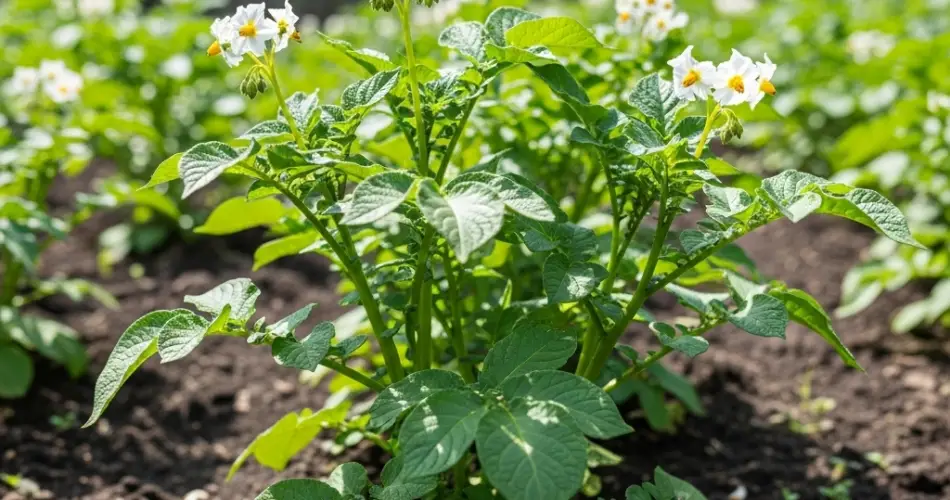
Potatoes are one of the easiest and most rewarding crops to grow at home. Whether you’re planting them in raised beds, containers, or traditional garden rows, one thing remains constant: the quality of your soil mix plays a huge role in the size and quantity of your harvest. Potatoes thrive in loose, well-draining, and nutrient-rich soil. If you want large, healthy tubers with minimal pests or disease, getting your soil mix right from the start is key.
Let’s break down the ideal soil mix for potatoes, why each component matters, and how you can prepare the best possible growing environment for a bumper crop.
Why Soil Quality Matters for Potatoes
Unlike many crops that grow above ground, potatoes develop underground. This makes the soil they grow in critical to their development. Heavy, compacted, or waterlogged soil can cause several problems:
-
Poor tuber formation
-
Rot due to excess moisture
-
Increased risk of fungal disease
-
Misshapen or small potatoes
A properly prepared soil mix creates the ideal conditions for root expansion, drainage, and nutrient absorption.
Components of the Ideal Potato Soil Mix
Here’s what makes up a great potato soil mix, with recommendations for how much of each to use.
1. Loamy Soil or Quality Topsoil (40%)
A balanced base soil provides the structure for the mix. Look for loamy or sandy loam soil with good texture and drainage. Avoid clay-heavy soils, which can retain too much moisture and compact easily.
-
Why it matters: This component anchors the plants and holds nutrients while still allowing root development.
2. Compost (30%)
Compost is the powerhouse of any soil mix. It adds organic matter, improves moisture retention, and provides a steady supply of nutrients as it breaks down.
-
Why it matters: Potatoes need a nutrient-rich environment to grow large, healthy tubers. Compost also promotes beneficial microbial activity in the soil.
3. Coco Coir or Peat Moss (10–15%)
These materials improve soil aeration and help retain moisture without waterlogging the soil. Coco coir is a more sustainable alternative to peat moss.
-
Why it matters: Loose, fluffy soil allows potato tubers to expand and grow freely without deforming.
4. Perlite or Sand (10–15%)
To boost drainage, especially in raised beds or containers, mix in coarse sand or perlite. This is particularly important if you’re using compost-rich or heavy soils.
-
Why it matters: Prevents soil from becoming compacted or too wet, both of which can lead to rot and disease.
5. Worm Castings or Well-Rotted Manure (5–10%)
This adds an extra nutrient boost and supports microbial activity. Make sure any manure is well-aged to avoid burning your plants.
-
Why it matters: Supplies slow-release nitrogen and micronutrients to support healthy foliage and tuber development.
Optional Additives for Even Better Results
-
Bone Meal: High in phosphorus, which supports strong root and tuber growth. Add a handful per planting hole.
-
Greensand or Kelp Meal: Adds potassium and trace minerals for overall plant vigor and disease resistance.
-
Wood Ash (in moderation): Raises soil pH slightly and adds potassium. Don’t use it excessively or in already alkaline soil.
Soil pH for Potatoes
Potatoes prefer slightly acidic soil, ideally with a pH between 5.0 and 6.5. A pH in this range helps reduce the risk of scab, a common potato disease. Test your soil with a pH kit and adjust if needed:
-
To lower pH: Add elemental sulfur or peat moss.
-
To raise pH: Use garden lime (only if necessary).
How to Prepare Your Soil Mix
-
Choose Your Planting Area: Whether you’re growing in containers, raised beds, grow bags, or trenches, make sure there’s enough depth—at least 12 inches of soil—for tubers to form.
-
Combine Ingredients Thoroughly: Mix your loam, compost, coco coir/peat, sand/perlite, and any amendments together until evenly blended.
-
Fill and Water: Fill your bed or container with the soil mix and water thoroughly to settle it before planting.
-
Hill or Top-Up: As your potato plants grow, continue adding more of the mix around the base of the plants. This encourages more tubers to form along the buried stem.
Additional Potato Growing Tips
-
Avoid Fresh Manure: It’s too high in nitrogen and can cause excessive leaf growth at the expense of tubers.
-
Don’t Overwater: Keep soil consistently moist but never soggy. Too much water leads to rot.
-
Rotate Crops: Don’t plant potatoes in the same soil year after year. Rotate to avoid soil-borne diseases.
Final Thoughts
A well-crafted soil mix is one of the most important investments you can make for a successful potato harvest. By combining loose texture, good drainage, and organic nutrients, you create the perfect conditions for potatoes to thrive underground. Whether you’re growing in bags on a balcony or rows in the backyard, this soil recipe will help you grow large, healthy, and flavorful tubers you’ll be proud to harvest.


