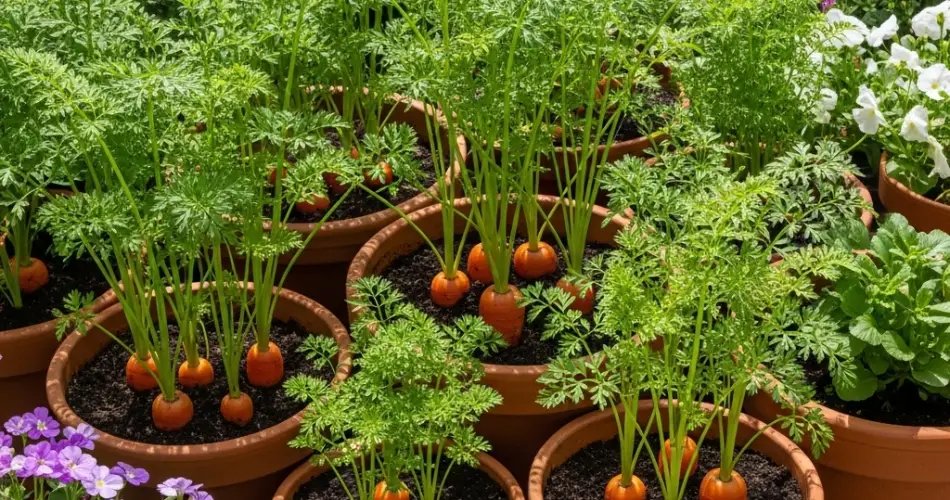
Growing carrots doesn’t require a large backyard or garden beds. With a few basic supplies and a bit of planning, you can grow crisp, sweet carrots right in a bucket—even on a balcony or small patio. This space-efficient method is perfect for urban dwellers or anyone looking to grow food in a compact, controlled environment.
Carrots are a cool-weather crop that thrives in containers when given the right depth of soil and consistent care. Bucket gardening allows you to manage soil quality and drainage more easily while protecting your crop from pests and poor ground conditions.
Why Buckets Are Ideal for Growing Carrots
Buckets provide the depth and space carrots need to develop their long, straight roots. Here’s why buckets make a great growing container:
-
Depth: Carrots need loose soil that’s at least 10–12 inches deep for proper root development.
-
Mobility: Buckets can be moved to chase the sun or avoid harsh conditions.
-
Pest control: Growing above ground reduces the risk of soil-borne pests and diseases.
-
Space-saving: A few buckets can fit easily on balconies, decks, or porches.
-
Cost-effective: Repurposed 5-gallon buckets or food-grade containers are inexpensive and readily available.
With the right preparation, bucket gardening can yield beautifully formed carrots just as well as any in-ground garden.
Supplies You’ll Need
To grow carrots successfully in buckets, gather the following materials:
-
One or more 5-gallon plastic buckets (or similar containers)
-
Drill or heated nail to create drainage holes
-
High-quality potting mix
-
Organic compost or aged manure
-
Perlite or coarse sand (optional for better soil aeration)
-
Carrot seeds (choose short or medium-rooted varieties)
-
Watering can or hose with a fine spray setting
-
Sunny location (at least 6 hours of sunlight daily)
Choosing the Right Carrot Varieties
Some carrot types grow better in containers than others. For buckets, choose varieties that are shorter or adapted to grow in less compact soil:
-
Nantes – Cylindrical, tender carrots ideal for shallow to medium containers.
-
Chantenay – Shorter and wider carrots, great for limited depth.
-
Thumbelina – Round, golf ball-sized carrots that perform well in smaller containers.
-
Paris Market – Small, globe-shaped roots perfect for tight spaces.
Avoid long-rooted varieties unless your bucket is particularly deep and filled with loose, stone-free soil.
Preparing the Bucket
-
Add Drainage Holes
Drill 4–6 holes in the bottom of each bucket to allow excess water to escape. -
Prepare the Soil Mix
Carrots need fluffy, well-draining soil. A good mix includes:-
60% potting soil
-
30% compost or aged manure
-
10% perlite or coarse sand
-
Avoid compacted or rocky soil, which causes misshapen roots.
-
Fill the Bucket
Fill the container nearly to the top, leaving 1–2 inches for watering clearance. Moisten the soil before planting.
Sowing Carrot Seeds
-
Plant Directly
Carrots don’t transplant well, so sow seeds directly into the soil surface. -
Spacing
Scatter seeds thinly and cover them with about ¼ inch of soil. Gently pat down and water lightly. -
Germination
Carrot seeds can take 10–20 days to germinate. Keep the soil evenly moist but not soggy during this time.
Light, Watering, and Fertilizing
-
Sunlight: Carrots need at least 6 hours of sunlight per day. Full sun is best for robust root development.
-
Watering: Keep soil evenly moist. Dry spells or inconsistent watering can cause splitting or stunted growth.
-
Feeding: Mix compost into the soil before planting. If desired, apply a balanced organic liquid fertilizer once or twice during the growing cycle. Avoid high-nitrogen fertilizers, which promote foliage over root growth.
Thinning and Maintenance
Once the seedlings are about 2 inches tall, thin them to 2–3 inches apart. This gives each carrot enough space to grow straight and full.
-
Use the thinned seedlings in salads.
-
Remove any weeds or debris that compete with your crop.
-
Mulch lightly to retain moisture and suppress weeds.
Harvesting Carrots
Depending on the variety, carrots are typically ready to harvest 60 to 75 days after planting.
-
Check maturity by gently brushing soil away to inspect the top of the root.
-
To harvest, grasp the base of the foliage and pull gently.
-
Harvest all carrots before the weather becomes too hot, as heat can cause bitterness.
Succession Planting
For a longer harvest window, sow new seeds every 2–3 weeks throughout the cooler months of spring and fall. Carrots grow best in temperatures between 55°F and 75°F (13°C to 24°C).
Final Thoughts
Carrot gardening in buckets is a convenient and productive solution for anyone short on space. Whether you’re gardening on a balcony, in a courtyard, or along a sunny fence line, buckets provide the ideal conditions for growing sweet, crisp carrots. With a bit of planning and care, your compact space can yield a steady supply of fresh, homegrown roots that taste far better than store-bought alternatives.


