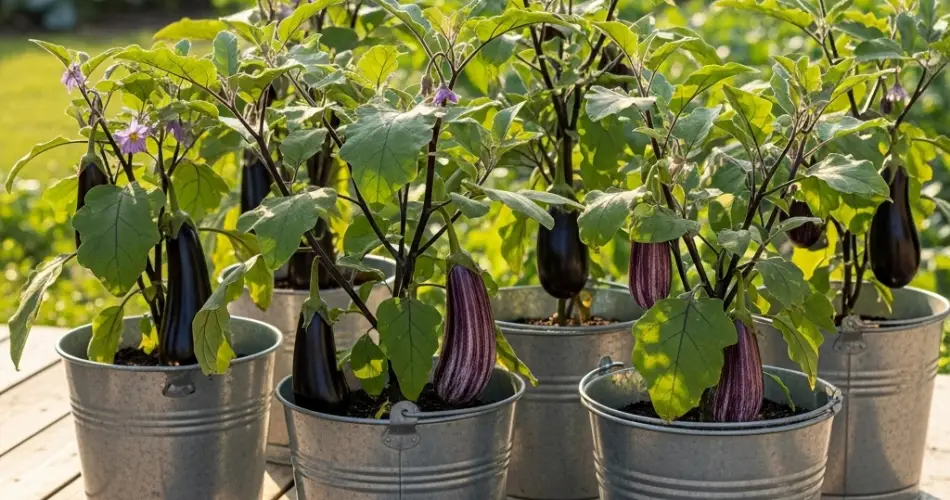
Growing eggplants in buckets is an excellent solution for urban gardeners or anyone with limited space. Bucket gardening allows for precise control over soil quality, water, and nutrients, making it possible to cultivate healthy, productive plants even on patios, balconies, or rooftops. To achieve the best results, understanding proper watering, fertilization, and general care is crucial. With consistent attention, container-grown eggplants can yield tender, flavorful fruits throughout the season.
Choosing the Right Bucket
Selecting an appropriate bucket is the first step for successful eggplant cultivation. A container with a depth of at least 12–14 inches and sufficient width provides space for root growth. Larger buckets allow for planting multiple eggplants while maintaining adequate spacing to promote airflow and reduce disease risk. Ensure the bucket has drainage holes at the bottom to prevent waterlogging, which can stunt growth and damage roots.
Light-colored buckets are preferable in hot climates, as they reflect sunlight and keep soil temperatures moderate. Heavy materials like terracotta or ceramic retain moisture but may require more frequent watering during peak summer heat.
Preparing the Soil
Eggplants thrive in nutrient-rich, well-draining soil. A high-quality potting mix combined with compost or organic matter supplies essential nutrients while retaining moisture. Adding perlite or coarse sand improves soil aeration and prevents compaction, supporting healthy root development.
Aim for a slightly acidic to neutral soil pH between 6.0 and 7.0. Fill the bucket to about an inch below the rim to leave room for watering and mulching. Mulching with straw, shredded leaves, or grass clippings helps retain moisture, moderates soil temperature, and minimizes weed growth.
Watering Eggplants in Buckets
Consistent moisture is essential for container-grown eggplants. Buckets dry out faster than garden beds, so it’s important to monitor soil moisture regularly. The soil should remain evenly moist but not soggy. Overwatering can lead to root rot, while under-watering may stress the plants, resulting in smaller fruits and reduced yields.
Water thoroughly when the top inch of soil feels dry. Morning watering is ideal, as it allows foliage to dry during the day and reduces the risk of fungal diseases. For optimal results, use a watering can or drip system to distribute water evenly throughout the soil. Mulching helps maintain consistent moisture levels and protects roots from temperature extremes.
Fertilizing Eggplants
Eggplants are heavy feeders and require regular fertilization for optimal growth and fruit production. A balanced, water-soluble fertilizer applied every 2–3 weeks provides essential nutrients. Alternatively, organic options such as compost tea or well-rotted manure can support steady, natural growth.
Avoid over-fertilization with nitrogen, as it encourages excessive leaf growth at the expense of flowering and fruiting. Focus on fertilizers that promote strong root development, healthy foliage, and robust flower and fruit formation. Slow-release fertilizers can also be incorporated into the soil at planting time to provide a steady nutrient supply.
Supporting Plant Growth
Container-grown eggplants may need additional support as they grow, especially when fruits develop and become heavy. Stakes, cages, or trellises help keep stems upright and prevent breakage. Prune yellowing or damaged leaves to maintain airflow, reduce disease risk, and encourage healthy growth.
Sunlight Requirements
Eggplants require full sun for optimal growth, ideally 6–8 hours per day. Position your buckets in a location that receives maximum sunlight exposure. In very hot climates, partial afternoon shade may help prevent leaf scorching and flower drop, ensuring continued fruit production.
Harvesting Eggplants
Eggplants are ready to harvest when their skin is firm, glossy, and reaches the expected size for the chosen variety. Overripe fruits can become bitter and have a tough texture, so it’s important to monitor them closely. Use a sharp knife or garden shears to cut the fruit from the stem, leaving a small portion attached to avoid damaging the plant.
Benefits of Bucket Gardening for Eggplants
Growing eggplants in buckets offers several advantages, particularly for urban gardeners. Containers allow control over soil, water, and nutrients, reduce exposure to pests and soil-borne diseases, and make gardening feasible in small spaces. With proper care, bucket-grown eggplants provide a reliable supply of fresh, flavorful vegetables for home cooking.
By selecting the right bucket, preparing nutrient-rich soil, watering consistently, and applying the appropriate fertilizer, gardeners can cultivate healthy, productive eggplants in containers. With attention to sunlight, support, and harvesting, bucket gardening makes it easy to enjoy homegrown eggplants even without a traditional garden plot.


