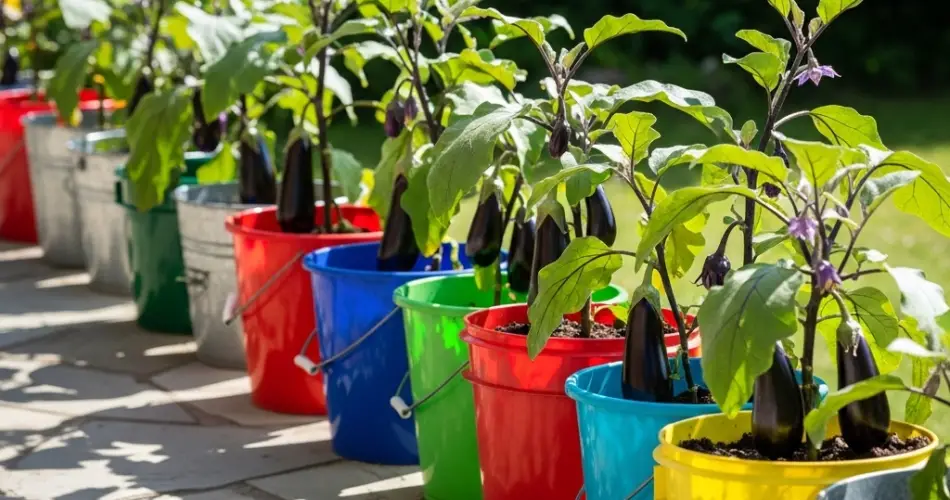
Eggplants are a versatile vegetable, prized for their rich flavor, nutritional value, and culinary adaptability. While traditionally grown in garden beds, eggplants can also thrive in containers, making them ideal for balconies, patios, and small urban spaces. With careful planning and proper care, gardeners can enjoy a continuous harvest of compact, healthy eggplants without requiring extensive outdoor space.
Why Grow Eggplants in Containers?
Container gardening offers several advantages for eggplants:
-
Space-saving – Ideal for urban gardeners or those with limited yard space.
-
Soil control – Allows precise management of soil fertility, drainage, and texture.
-
Mobility – Containers can be moved to optimize sunlight exposure or protect plants from extreme weather.
-
Pest management – Growing in containers reduces exposure to soil-borne pests and diseases.
By cultivating eggplants in containers, even small-space gardeners can achieve productive and visually appealing plants.
Step 1: Choosing the Right Container
Selecting an appropriate container is crucial for successful eggplant growth:
-
Size – Choose a container with at least 5–7 gallons (19–26 liters) of soil. Eggplants have moderately deep roots that need room to expand.
-
Drainage – Ensure the container has several drainage holes to prevent waterlogging, which can lead to root rot.
-
Material – Plastic, clay, or fabric pots are suitable, provided they are sturdy and can hold soil and moisture.
A properly sized container ensures healthy root development and robust plant growth.
Step 2: Preparing the Soil
Eggplants require fertile, well-draining soil to thrive:
-
Soil mix – Combine garden soil, compost, and perlite or coarse sand in equal parts. This mix retains moisture while ensuring proper drainage.
-
Soil pH – Aim for slightly acidic to neutral soil, around 6.0–6.8 pH.
-
Fertilization – Incorporate a balanced slow-release fertilizer into the soil before planting to support root establishment and leafy growth.
Healthy soil promotes strong stems, vibrant foliage, and high-quality fruit production.
Step 3: Selecting and Planting Eggplants
Eggplants can be started from seeds or seedlings:
-
Seeds – Start seeds indoors 8–10 weeks before the last frost date. Sow seeds 1/4 inch deep in seed-starting mix and keep consistently moist until germination.
-
Seedlings – Transplant seedlings 3–4 weeks old into the container once the weather is consistently warm.
-
Spacing – Plant one eggplant per 5–7 gallon container to allow adequate room for roots and foliage.
Proper planting ensures optimal growth and healthy, compact plants suitable for small spaces.
Step 4: Watering
Eggplants require consistent moisture to produce tender, flavorful fruit:
-
Initial watering – Water thoroughly after planting to settle the soil around the roots.
-
Ongoing watering – Maintain evenly moist soil, avoiding both drying out and waterlogging. Check daily in hot weather.
-
Watering technique – Water at the soil level to minimize wet foliage, reducing the risk of fungal diseases.
Balanced watering supports steady leaf growth and encourages fruit formation.
Step 5: Sunlight and Placement
Eggplants need full sun for optimal fruit production:
-
Light requirements – Place containers in areas receiving at least 6–8 hours of direct sunlight per day.
-
Temperature – Eggplants grow best in warm conditions between 70–85°F (21–29°C). Avoid placing containers in cold drafts or shaded areas.
Adequate sunlight ensures healthy foliage and larger, more flavorful fruits.
Step 6: Fertilization and Maintenance
Ongoing care helps maximize yield and fruit quality:
-
Feeding – Apply a balanced liquid fertilizer every 2–3 weeks during the growing season to support flowering and fruit development.
-
Staking – Provide stakes or cages to support plants and prevent branches from breaking under fruit weight.
-
Pruning – Trim lower leaves and side shoots as needed to improve airflow and reduce disease risk.
-
Pest monitoring – Inspect plants regularly for aphids, flea beetles, or spider mites. Remove pests promptly to protect growth.
Consistent care ensures healthy plants and abundant harvests.
Step 7: Harvesting
Harvest eggplants at the right stage for the best flavor:
-
Timing – Pick fruits when they are glossy, firm, and have reached their expected size. Avoid leaving them too long, as overripe eggplants can become bitter or tough.
-
Technique – Cut the fruit from the plant using a sharp knife or scissors, leaving a short stem attached.
-
Frequency – Regular harvesting encourages continuous flowering and fruit production.
Proper harvesting maintains plant health and prolongs productive growth.
Final Thoughts
Growing eggplants in containers is an excellent solution for balcony or patio gardeners seeking fresh, flavorful vegetables. By selecting the right container, preparing fertile soil, planting healthy seedlings, providing consistent water and sunlight, and maintaining proper care, gardeners can enjoy a continuous supply of compact, high-quality eggplants.
Even in small spaces, container-grown eggplants make a practical and rewarding addition to home gardening, providing both aesthetic appeal and delicious, homegrown produce.


