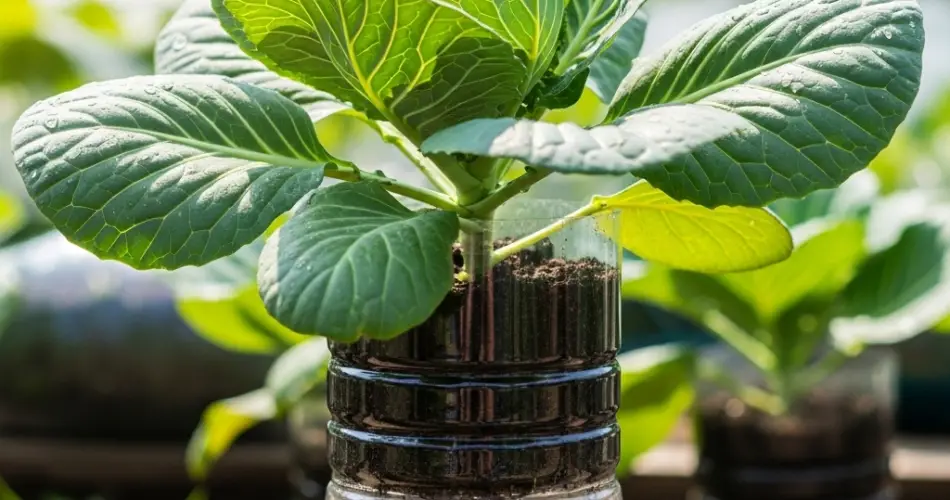
Cabbage is a cool-season vegetable loved for its versatility in the kitchen and its high nutritional value. While many gardeners think of large garden beds when growing cabbage, it’s entirely possible to start this crop in small spaces such as patios, balconies, or even windowsills. One of the most practical and eco-friendly methods for doing this is bottle propagation, where discarded plastic bottles are repurposed into mini planters.
For patio gardeners with limited room, this technique not only makes use of available space but also offers a low-cost, sustainable way to grow strong seedlings that can later be transplanted into containers or outdoor beds.
Why Choose Bottle Propagation?
Bottle propagation provides several benefits, especially for small-space gardeners:
-
Recycling opportunity: It reduces plastic waste by turning bottles into useful gardening tools.
-
Controlled environment: Seedlings grow in a sheltered setting with consistent moisture and warmth.
-
Space efficiency: The bottle cells fit neatly on windowsills, shelves, or small patio tables.
-
Strong seedlings: Growing indoors allows young plants to establish before facing outdoor pests and weather.
This approach allows even beginner gardeners to produce healthy cabbage starts without the need for expensive seed trays or specialized equipment.
Materials You’ll Need
Before starting, gather a few everyday supplies:
-
Plastic bottles (1- or 2-liter sizes are ideal)
-
Scissors or a craft knife
-
Potting mix or seed-starting soil
-
Cabbage seeds (choose your favorite variety, such as savoy, red, or green)
-
A tray to catch excess water
-
A small spray bottle or watering can
With these items, you can set up a sustainable seed-starting system in minutes.
Preparing Bottle Planters
-
Clean the bottles: Rinse thoroughly with soap and water.
-
Cut them in half: Slice across the middle. Use the bottom section as the seed-starting container.
-
Create drainage holes: Poke two or three small holes in the bottom to allow excess water to escape.
-
Arrange on a tray: Place the cut bottles on a tray to keep water from spilling onto your patio or windowsill.
If desired, the top half of the bottle can be inverted and used as a humidity dome during germination.
Sowing Cabbage Seeds
-
Fill with soil: Add a fine-textured seed-starting mix, leaving about 1–2 cm of space at the top.
-
Plant seeds: Place 2–3 seeds about ¼–½ inch deep in each bottle planter.
-
Water lightly: Mist the soil to keep it evenly moist but not soggy.
-
Provide light: Place bottles in a sunny location or under grow lights for 12–14 hours per day.
Seeds typically germinate within a week, sending up tiny green shoots.
Seedling Care
Once the seedlings emerge, a few simple steps will keep them healthy:
-
Thin them out: After the first true leaves appear, trim weaker seedlings at soil level, leaving the strongest one in each bottle.
-
Maintain moisture: Water consistently, keeping soil damp but never waterlogged.
-
Temperature: Aim for daytime temperatures between 65–75°F (18–24°C). Cooler nights are acceptable since cabbage thrives in cool conditions.
-
Ventilation: If using a bottle dome, remove it once seedlings sprout to prevent fungal issues.
With the right care, seedlings will develop sturdy stems and healthy green leaves, ready for transplanting in about 4–6 weeks.
Transplanting to Patio Containers
When seedlings are about 4 inches tall with several leaves, they are ready for larger containers. Choose pots or grow bags at least 12 inches deep to allow root development.
Before transplanting, harden off the seedlings:
-
Day 1–2: Place them outdoors in shade for a few hours.
-
Day 3–5: Increase exposure to sunlight gradually.
-
Day 6–7: Leave them outside overnight if the weather is mild.
After this acclimation, transplant them into their final containers. Space plants about 12–18 inches apart, depending on the variety.
Advantages for Patio Gardeners
Bottle propagation is particularly useful for small-space gardeners because:
-
It saves money by replacing store-bought seed trays with recycled materials.
-
It fits small spaces since bottles can be lined along ledges, steps, or shelves.
-
It ensures a steady supply of healthy seedlings that can later be transplanted into pots or patio beds.
-
It adapts easily to other crops like lettuce, herbs, or even flowers.
For gardeners limited to patios, balconies, or compact areas, this method ensures that space never becomes a barrier to homegrown cabbage.
Troubleshooting Tips
-
Leggy seedlings: Often caused by insufficient light—move them closer to a bright window or grow light.
-
Dry soil: Bottle containers may dry quickly in warm conditions. Check daily and mist as needed.
-
Pest control: Once transplanted outdoors, keep an eye out for caterpillars or aphids. A fine mesh cover can help protect your young cabbage plants.
Final Thoughts
Bottle propagation is a simple yet highly effective way for patio gardeners to start cabbage at home. By reusing plastic bottles, you reduce waste while creating a nurturing environment for seedlings. This method requires little space, minimal cost, and just a few minutes of setup, making it an excellent option for beginner and seasoned gardeners alike.
With patience and proper care, your bottle-grown seedlings will thrive in containers, providing you with crisp, homegrown cabbage right from your patio. Whether you’re working with a balcony, terrace, or small urban garden, this sustainable method ensures that fresh cabbage can be part of your harvest.


