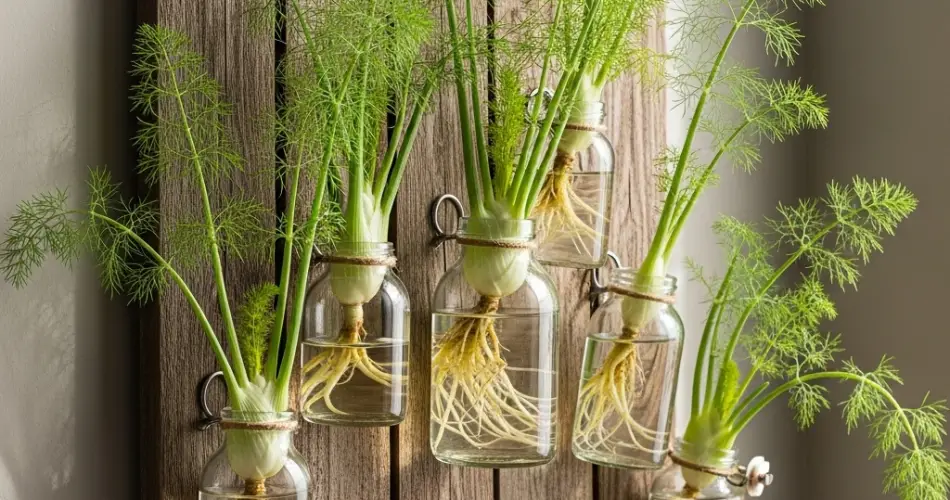
Urban gardening offers inventive ways to grow fresh herbs, even in compact spaces. One creative solution is a hanging wall garden, which allows you to cultivate fresh fennel while maximizing vertical space. Fennel (Foeniculum vulgare) is a versatile herb with feathery fronds and aromatic bulbs that enhance a variety of dishes. A hanging wall garden brings this flavorful herb closer to your kitchen while adding greenery and a fresh scent to your home.
Choosing the Right Containers
The foundation of a hanging wall garden is the containers. Medium-sized pots or recycled containers, such as plastic bottles or small buckets, work well for fennel. Ensure that each container has drainage holes to prevent water accumulation, which can damage roots. Lightweight containers are ideal for hanging, as they reduce the strain on mounting structures and minimize the risk of accidents.
Selecting the Soil
Fennel thrives in well-draining, nutrient-rich soil. A high-quality potting mix combined with organic compost or a balanced fertilizer provides the nutrients needed for healthy growth. Avoid heavy garden soil, which can retain too much moisture and suffocate the roots. Fill each container with soil, leaving some space at the top to prevent overflow during watering.
Planting Fennel
You can grow fennel from seeds or seedlings. Seeds are inexpensive and plentiful but take longer to mature, while seedlings provide a faster start. For seeds, plant them about 1/4 inch deep and water lightly. For seedlings, gently transplant them into the soil, ensuring the roots are fully covered and the plant is stable. Space the plants appropriately to allow room for growth, avoiding overcrowding that can stunt development.
Lighting Requirements
Fennel requires plenty of sunlight to grow well. Place your hanging wall garden in a location that receives at least six hours of sunlight daily, such as near a south- or west-facing window or on a balcony. If natural light is limited, supplement with a full-spectrum grow light to ensure strong and healthy growth. Rotating the containers occasionally helps each plant receive equal light exposure and prevents uneven growth.
Watering and Humidity
Consistent moisture is essential for fennel, but overwatering should be avoided. Water when the top inch of soil feels dry, allowing excess water to drain freely. Maintaining moderate humidity supports lush growth, especially in dry indoor environments. Occasionally misting the leaves or using a humidity tray helps keep the plants healthy, ensuring tender fronds and flavorful bulbs.
Mounting Your Hanging Wall Garden
To create a hanging wall garden, install hooks, brackets, or a sturdy frame on your chosen wall or railing. Arrange the containers in a staggered pattern to maximize space and ensure each plant receives adequate light. Securely hang each container, ensuring it is stable and balanced. A well-organized arrangement allows for proper airflow, reduces the risk of disease, and creates an attractive vertical display.
Fertilizing and Maintenance
Fennel benefits from regular feeding. Apply a balanced, water-soluble fertilizer every few weeks to encourage vigorous growth and healthy foliage. Monitor plants for pests such as aphids or spider mites, and treat infestations promptly with gentle insecticidal soap or by wiping leaves with a damp cloth. Trim yellowing or damaged leaves to maintain plant health and encourage new growth.
Harvesting Fennel
One of the joys of a hanging wall garden is the ease of harvesting fresh herbs. Cut outer fronds and bulbs as needed, leaving the inner stems to continue growing. Regular harvesting encourages bushier growth and a continuous supply of fresh fennel for your culinary needs. The plant’s aromatic fragrance enhances both cooking and indoor ambiance.
Benefits of a Hanging Wall Garden
A hanging wall garden offers numerous advantages. It saves floor space, adds visual interest to your home, and provides a sustainable source of fresh herbs. Fennel’s flavorful fronds, bulbs, and seeds can enhance a wide range of dishes, from soups and salads to roasted meats and teas. Additionally, vertical gardening repurposes underused spaces, making it perfect for small apartments or kitchens.
Creative Expansion Ideas
Once your fennel wall garden is established, consider adding other herbs such as basil, parsley, or chives, which share similar care requirements. Mixing herbs in a hanging arrangement creates a lush, aromatic garden that is both practical and decorative. Using colorful or decorated containers adds personality, turning your herb wall into a visually appealing focal point.
Conclusion
Building a hanging wall garden for fennel is an innovative, space-saving way to enjoy fresh herbs year-round. With proper soil, light, watering, and maintenance, your fennel plants will thrive, providing aromatic fronds and flavorful bulbs for a variety of dishes. This approach combines sustainability, practicality, and aesthetic appeal, transforming your wall into a productive and attractive herb garden. By creating a vertical growing space, you bring the benefits of fresh, homegrown fennel directly into your kitchen while enhancing your living environment.


