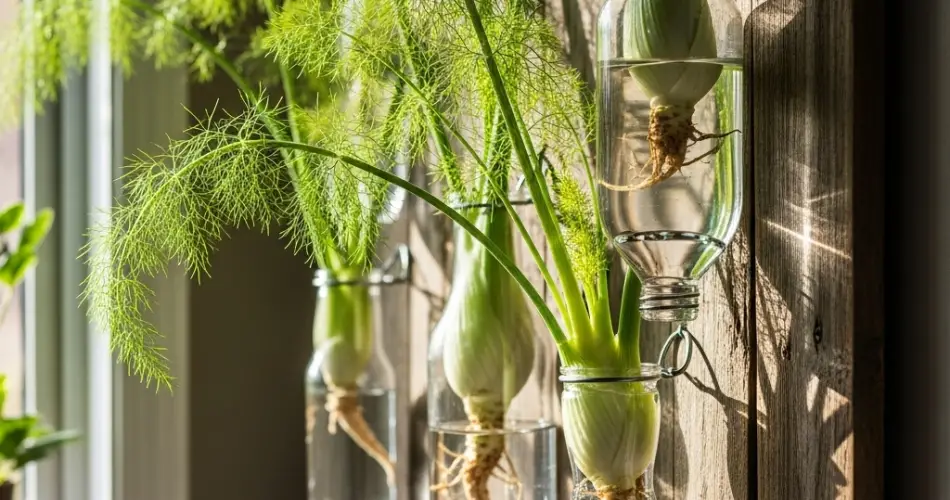
Fennel is an aromatic and flavorful plant that brings both beauty and utility to any garden. Known for its feathery leaves, crisp bulb, and licorice-like flavor, fennel is a versatile herb and vegetable that can be grown successfully even in limited spaces. For those who don’t have the luxury of a backyard or large pots, bottle planters offer a simple and sustainable way to grow fennel vertically. By repurposing plastic bottles, you can create an efficient, eco-friendly gardening system right at home.
This approach is particularly useful for apartment dwellers, small-space gardeners, or anyone who wants to try innovative gardening methods. Let’s explore how to grow fennel in vertical bottle planters and enjoy a steady supply of this fragrant plant.
Why Fennel is a Great Candidate for Vertical Bottle Gardens
Unlike some plants that require deep soil or sprawling space, fennel is quite adaptable when given proper conditions. Here’s why bottle planters work well:
-
Compact Growth: Fennel doesn’t need wide space for foliage, making it suitable for vertical gardens.
-
Edible Benefits: Both the leaves and bulb can be harvested for culinary use.
-
Decorative Appeal: Its delicate fronds add a soft, green texture that looks attractive in wall-mounted gardens.
-
Sustainable Gardening: Growing fennel in bottles reduces plastic waste and maximizes unused wall or balcony space.
Preparing Your Bottle Planters
To start, gather 1.5- or 2-liter plastic bottles, which are ideal in size for fennel seedlings.
-
Cut the Bottle:
-
Remove the top portion of the bottle to create an opening for soil and plants.
-
Alternatively, cut a rectangular section along the side if you prefer a horizontal planting style.
-
-
Drainage Holes:
Puncture several small holes in the bottom to prevent waterlogging. Good drainage is essential to keep roots healthy. -
Mounting System:
Attach bottles to a wooden board, wire mesh, or balcony railing using nails, screws, or strong ties. Arrange them vertically so that each plant gets enough light and airflow.
Soil Mix and Planting Fennel
Fennel prefers well-draining, nutrient-rich soil. A recommended mix includes:
-
2 parts quality potting soil
-
1 part compost
-
A handful of perlite or coarse sand
Fill bottles about three-quarters full with this mixture.
Fennel can be grown from seeds or small seedlings. If starting from seeds, sow them about ¼ inch deep and lightly cover with soil. Keep the soil consistently moist until germination occurs, which usually takes 7–10 days. If you choose seedlings, gently transplant them into the prepared bottles, ensuring the roots are not crowded.
Light and Location
Fennel thrives in full sunlight. Position your bottle planters where they will receive at least 6 hours of direct sunlight daily. A sunny balcony, kitchen window, or outdoor wall facing the sun works best.
If natural sunlight is limited, especially indoors, you can supplement with a small grow light. The extra illumination ensures strong, healthy growth and prevents plants from becoming weak or leggy.
Watering and Feeding
Because bottle planters are smaller than traditional pots, they tend to dry out faster. Water fennel regularly, ensuring the soil remains moist but not soggy. It’s best to water thoroughly until excess drains from the bottom holes.
For feeding, apply a diluted liquid fertilizer every 3–4 weeks. Organic options like compost tea or seaweed extract work well and help maintain steady growth.
Caring for Bottle-Grown Fennel
Here are a few tips for maintaining healthy fennel plants:
-
Thin seedlings if they become overcrowded, leaving only the strongest plants to mature.
-
Check drainage regularly since excess water can quickly build up in bottle planters.
-
Rotate bottles if they are mounted indoors, so plants receive even light.
-
Prune sparingly, harvesting outer fronds first to encourage continuous growth.
Harvesting Fennel
Fennel can be harvested in stages depending on your needs:
-
Fronds (leaves): Begin snipping feathery leaves once the plant is established. They add a mild, licorice-like flavor to salads, soups, and seafood dishes.
-
Bulbs: If you’re growing Florence fennel, wait until bulbs are about the size of a tennis ball before harvesting. Gently pull the plant from the soil, being careful not to disturb neighboring bottles.
-
Seeds: Allow some plants to flower and go to seed if you want to collect fennel seeds for culinary or planting purposes.
The Benefits of Vertical Bottle Gardening
Using bottle planters for fennel offers more than just fresh harvests:
-
Eco-Friendly: Reuses plastic waste in a productive way.
-
Space-Saving: Makes use of vertical surfaces rather than floor space.
-
Low Maintenance: Easier to water, prune, and harvest compared to traditional gardens.
-
Decorative Touch: A wall of feathery fennel fronds adds greenery and charm to small living areas.
Final Thoughts
Bottle planters for fennel prove that gardening doesn’t require sprawling yards or expensive equipment. With just a few recycled bottles, some soil, and seeds, you can build a thriving vertical herb and vegetable garden. This method saves space, reduces waste, and provides fresh, flavorful fennel right at your fingertips.
Whether you’re a beginner gardener experimenting indoors or someone maximizing a balcony, growing fennel in bottle planters is an easy and rewarding way to combine sustainability with homegrown flavor.


