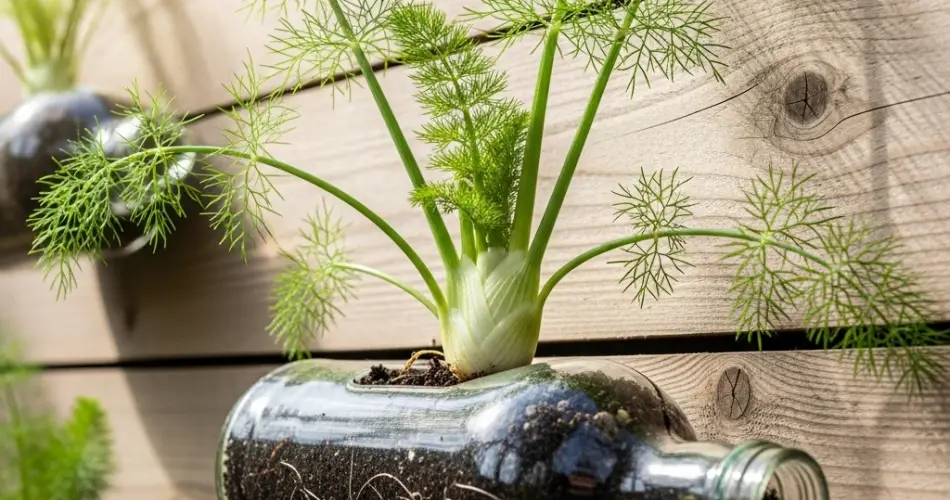
Urban gardening often requires creative solutions, especially when space is limited. One innovative approach is transforming used plastic bottles into a vertical wall garden, allowing you to grow fresh herbs even in small apartments or balconies. Fennel, with its aromatic fronds and flavorful bulbs, is ideal for this setup. A bottle-based vertical garden makes it easy to cultivate fennel while adding greenery and a fresh fragrance to your space.
Selecting the Right Bottles
Start by gathering suitable plastic bottles for your vertical garden. Medium-sized bottles, ranging from 1 to 2 liters, are ideal, as they provide enough soil depth for fennel roots while remaining lightweight for wall mounting. Ensure the bottles are clean and free from residue. Transparent bottles can help you monitor soil moisture, while colored or decorated bottles can enhance the visual appeal of your wall garden.
Preparing the Bottles
Once you have the bottles, prepare them for planting. Cut a horizontal opening near the top of each bottle to create a planting area large enough for fennel seedlings or cuttings. Drill or poke small holes in the bottom of the bottles to allow excess water to drain, preventing root rot. If you plan to hang the bottles vertically, attach sturdy strings, hooks, or brackets to support them securely on the wall.
Choosing Soil and Planting
Fennel thrives in fertile, well-draining soil. A quality potting mix combined with compost or organic fertilizer works best. Fill each bottle with soil, leaving a small gap at the top to prevent overflow when watering. For planting, you can start fennel from seeds or young seedlings. Seeds are an economical choice but take longer to mature, while seedlings provide a faster start. Plant seeds about 1/4 inch deep and water gently. For seedlings, ensure the roots are fully covered and the plant is stable in the soil.
Light Requirements
Fennel requires plenty of sunlight to grow strong and healthy. Position your wall garden near a south- or west-facing window, or in a balcony with good exposure to natural light. Ideally, fennel should receive at least 6 hours of sunlight per day. If natural light is insufficient, supplement with a full-spectrum grow light. Rotate the bottles occasionally to ensure even light exposure, encouraging uniform growth and preventing plants from leaning.
Watering and Humidity
Consistent moisture is crucial for fennel. Keep the soil evenly moist but avoid waterlogging, as excess water can damage the roots. Check the top inch of soil and water when it feels dry. While fennel tolerates average indoor humidity, misting the leaves occasionally can help maintain a healthy environment, particularly in dry indoor conditions. Proper watering supports vibrant foliage and tender bulbs suitable for culinary use.
Mounting Your Vertical Garden
After preparing the bottles and planting fennel, it’s time to mount your vertical garden. Arrange the bottles in a grid or staggered pattern on a wall, fence, or balcony railing. Ensure each bottle is securely fastened to prevent falls or spills. Staggering bottles allows better air circulation and light distribution, ensuring all plants thrive. The vertical arrangement not only maximizes space but also creates a striking visual display.
Maintenance and Harvesting
Maintaining a fennel wall garden is straightforward. Fertilize every few weeks with a balanced, water-soluble fertilizer to promote healthy growth. Inspect the plants regularly for pests such as aphids or spider mites, and treat any infestations promptly using a gentle insecticidal soap or by wiping leaves with a damp cloth. Harvest fennel by cutting the outer fronds or bulbs when mature, leaving the inner stems to continue growing. Regular harvesting encourages bushier plants and ensures a continuous supply of fresh fennel.
Benefits of a Bottle Wall Garden
A vertical wall garden made from recycled bottles is eco-friendly, practical, and visually appealing. It repurposes plastic waste while creating a productive space for growing fresh herbs. Fennel adds flavor and nutrition to meals, with its fronds, bulbs, and seeds all usable in cooking. The vertical setup is perfect for small living spaces, bringing greenery into areas that would otherwise go unused.
Creative Expansion Ideas
Once you are comfortable growing fennel in bottles, consider expanding your vertical garden to include other herbs or small vegetables. Basil, parsley, and chives share similar care requirements and can thrive alongside fennel. Decorating bottles with paint, labels, or patterns adds a personalized touch, making your wall garden a centerpiece in your home. This approach encourages sustainable living while providing fresh, aromatic ingredients for your kitchen.
Conclusion
Creating a wall garden for fennel using plastic bottles is a sustainable, space-saving solution for urban gardeners. With proper preparation, soil, light, and watering, your fennel plants will thrive in this vertical setup, producing fresh leaves and bulbs for culinary use. This innovative method combines practicality, sustainability, and aesthetic appeal, turning everyday bottles into a functional and beautiful herb display. By repurposing plastic and cultivating your own fennel, you enjoy a continuous supply of fresh ingredients while contributing to a greener lifestyle.


