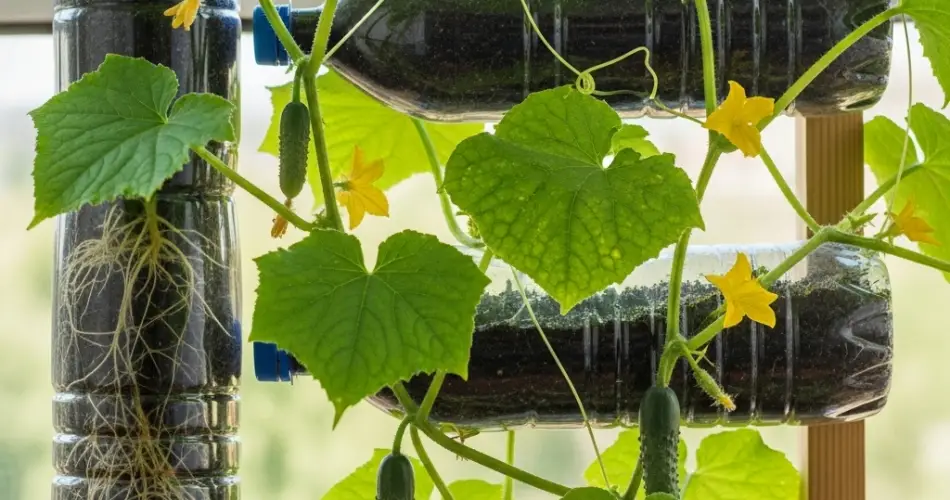
Cucumbers are one of the most refreshing and versatile vegetables to grow at home. Crisp and hydrating, they can be eaten fresh, pickled, or sliced into salads. Yet many gardeners find starting cucumbers a challenge because the seedlings are sensitive to transplanting, weather fluctuations, and pests. An innovative solution that combines sustainability with practicality is starting cucumber seeds in recycled plastic bottles. This method gives seedlings a protected environment early on and transitions smoothly into trellis support as the plants grow.
Whether you have a spacious backyard or just a balcony garden, this bottle-to-trellis approach helps maximize resources, reduce waste, and ensure a productive cucumber harvest.
Why Cucumbers Benefit from Bottle Starts
Cucumbers germinate quickly but are delicate in their early stages. Their tender stems and broad leaves are prone to damage from cold nights, wind, and insects. Using bottles as mini greenhouses provides several benefits:
-
Warmth and Moisture – The enclosed bottle maintains a humid environment that speeds up germination.
-
Protection – Seedlings are shielded from pests, heavy rain, and sudden temperature drops.
-
Controlled Start – You can begin cucumber seeds indoors or in a balcony setup before moving them outdoors.
-
Reusable Materials – Repurposing bottles keeps them out of the trash and turns waste into a functional gardening tool.
This smart approach ensures stronger seedlings and reduces transplant shock when cucumbers are eventually moved to larger containers or garden beds.
How to Prepare Bottles for Cucumber Seedlings
The process is simple, requiring just a few household materials.
Materials You’ll Need
-
Clear plastic bottles (1–2 liters work best)
-
A sharp knife or scissors
-
Potting soil or a seed-starting mix
-
Cucumber seeds
-
Wooden sticks or thin bamboo for trellising later
Steps to Create Bottle Starters
-
Cut the Bottle – Slice the bottle in half about two-thirds up. Keep both sections for later.
-
Add Drainage – Make small holes in the bottom portion to allow water to escape.
-
Fill with Soil – Use a well-draining seed-starting mix enriched with organic matter. Cucumbers thrive in loose, nutrient-rich soil.
-
Sow the Seeds – Plant one or two seeds about 1.5 cm deep. Cover lightly with soil.
-
Water Gently – Keep the soil moist but not soggy.
-
Create the Dome – Place the upper half of the bottle back over the bottom to form a greenhouse dome.
The clear plastic traps warmth and humidity, creating an ideal microclimate for germination. Within a week, cucumber seedlings should begin to emerge.
Caring for Seedlings in Bottles
As cucumbers sprout, care is crucial to ensure steady growth.
-
Sunlight – Place the bottles in a sunny location or under grow lights. Cucumbers need at least 6–8 hours of light daily.
-
Ventilation – Remove the cap or open the dome periodically to allow airflow and prevent fungal growth.
-
Moisture – Keep the soil evenly moist but avoid overwatering. The enclosed bottle reduces evaporation, so monitor closely.
-
Thinning – If more than one seed germinates, snip the weaker seedling at soil level to leave the strongest plant.
These steps help build resilient young cucumber plants ready for transplanting.
Transitioning from Bottle to Trellis
When seedlings reach about 10–15 cm tall and have a couple of strong leaves, they are ready for transplanting. Here’s where the “bottle-to-trellis” concept comes into play.
-
Prepare the Site – Choose a sunny location with fertile, well-draining soil. If growing on a balcony, use a large container with compost-rich potting mix.
-
Acclimate Seedlings – Harden them off by placing bottles outdoors for a few hours daily, gradually increasing exposure to full sun and wind over a week.
-
Transplant Carefully – Remove the seedling from the bottle, keeping as much soil around the roots as possible. Plant it deep enough for stability.
-
Install a Trellis – Insert bamboo sticks, wire mesh, or a vertical trellis right after planting. Cucumbers grow as climbing vines, and early trellis support prevents tangling.
This transition from bottle to trellis ensures cucumbers grow vertically, saving space and improving air circulation. Vertical growth also makes harvesting easier and keeps fruits cleaner by reducing ground contact.
Benefits of the Bottle-to-Trellis Method
-
Eco-Friendly – Reduces waste by repurposing bottles.
-
Stronger Starts – Seedlings grow in a controlled environment before facing outdoor conditions.
-
Space-Saving – Vertical trellis growth is ideal for balconies and small gardens.
-
Better Yields – Cucumbers grown on trellises produce straighter, healthier fruits.
The method combines the protective benefits of bottles with the space-efficient productivity of trellising, giving you the best of both worlds.
Final Thoughts
Growing cucumbers doesn’t have to be complicated. By using plastic bottles as seed starters and transitioning to a trellis system, you can simplify the process while supporting healthy, vigorous plants. This bottle-to-trellis method is practical, sustainable, and perfect for gardeners with limited space or those aiming to reduce waste.
With just a little planning, you can enjoy an abundant harvest of fresh cucumbers that are crisp, flavorful, and grown right at home. In the end, all it takes is a simple plastic bottle, a handful of seeds, and a vertical trellis to turn your cucumber-growing dreams into reality.


