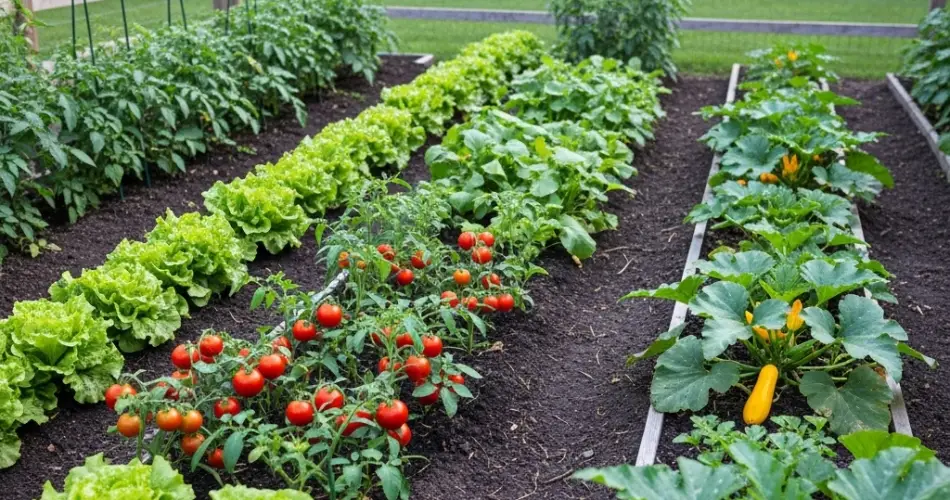
Growing vegetables in your own backyard is not only a rewarding and sustainable way to provide food for your household, but it’s also a great way to stay active, reduce grocery bills, and enjoy fresher, more flavorful produce. Whether you have a small yard or a spacious plot, many vegetables thrive in home gardens and are relatively easy to grow with the right care.
Here’s a look at some of the best vegetables to grow in your backyard, chosen for their productivity, ease of cultivation, and popularity in everyday meals.
1. Tomatoes
Tomatoes are one of the most popular backyard vegetables, and for good reason. With just a few plants, you can enjoy fresh, juicy tomatoes throughout the season. They grow well in garden beds, raised planters, or containers, provided they get plenty of sunlight.
-
Growing tips: Choose a sunny spot that gets at least 6–8 hours of light daily. Use stakes or cages for support as the plants grow.
-
Harvest time: 60–85 days from transplanting, depending on the variety.
2. Lettuce
Fast-growing and versatile, lettuce is an excellent choice for beginners. It can be grown almost year-round in many climates, especially in spring and fall when temperatures are cooler.
-
Growing tips: Sow seeds directly in the soil and keep the soil consistently moist. You can harvest outer leaves while allowing the plant to continue growing.
-
Harvest time: 30–60 days, depending on the variety.
3. Carrots
Carrots grow underground and don’t take up much surface space, making them ideal for smaller garden beds or containers. They do best in loose, well-drained soil that allows their roots to grow straight and deep.
-
Growing tips: Thin seedlings after sprouting to prevent crowding. Avoid overly rich soil, which can cause misshapen roots.
-
Harvest time: 60–75 days after planting.
4. Green Beans
Green beans are productive, easy to grow, and can be grown as bush or pole varieties. Bush beans are compact and ideal for smaller spaces, while pole beans grow vertically and require a trellis or support.
-
Growing tips: Plant in full sun and provide adequate support for climbing types. Harvest beans regularly to encourage more production.
-
Harvest time: 50–60 days for bush beans; 60–70 days for pole beans.
5. Zucchini
Zucchini is a prolific summer squash that produces abundantly in warm conditions. Just a couple of plants can yield a large harvest throughout the season.
-
Growing tips: Plant in fertile soil with good drainage. Water regularly and give each plant plenty of space.
-
Harvest time: 45–60 days from planting.
6. Spinach
Spinach is a cool-season crop loaded with nutrients. It grows quickly and can be harvested multiple times in one season.
-
Growing tips: Plant in early spring or fall. Keep the soil moist and harvest outer leaves first to allow regrowth.
-
Harvest time: 30–45 days after planting.
7. Peppers
Whether you prefer sweet bell peppers or spicy hot varieties, peppers are excellent for backyard gardens. They need warmth and sun but reward growers with colorful and flavorful fruits.
-
Growing tips: Start seeds indoors and transplant after frost. Use mulch to retain moisture and keep the soil warm.
-
Harvest time: 60–90 days, depending on the type.
8. Radishes
Radishes are one of the fastest-growing vegetables and are perfect for quick harvests. They also make a great companion crop alongside slower-growing vegetables.
-
Growing tips: Sow seeds directly in the garden every few weeks for a continuous supply. They need loose soil and regular watering.
-
Harvest time: 25–30 days after planting.
9. Cucumbers
Crisp and refreshing, cucumbers thrive in warm temperatures and are ideal for trellising, which saves space and keeps the fruit clean.
-
Growing tips: Provide full sun and rich, well-drained soil. Keep vines off the ground to prevent disease.
-
Harvest time: 50–70 days after planting.
10. Herbs (Basil, Parsley, Chives, etc.)
While not technically vegetables, herbs are valuable garden additions. They grow well in beds, pots, and even on windowsills, and they add fresh flavor to meals.
-
Growing tips: Most herbs prefer full sun and well-draining soil. Regular harvesting encourages bushy growth.
-
Harvest time: Varies, but most can be harvested within 30–60 days.
Final Tips for a Productive Backyard Garden
-
Start small: Choose 3–5 vegetables that you use regularly and learn how to care for them properly.
-
Rotate crops: This prevents soil nutrient depletion and reduces pest problems.
-
Use mulch: Helps retain moisture, suppress weeds, and keep soil temperature stable.
-
Water consistently: Most vegetables need 1–1.5 inches of water per week.
-
Feed your plants: Use compost or organic fertilizer to promote healthy growth and high yields.
Conclusion
Growing your own vegetables is an enjoyable and rewarding experience that brings fresh food to your table and satisfaction to your day. The best vegetables to grow in your backyard are those that suit your climate, fit your space, and match your culinary preferences. With a bit of care and regular attention, you can turn your backyard into a productive and thriving vegetable haven.


