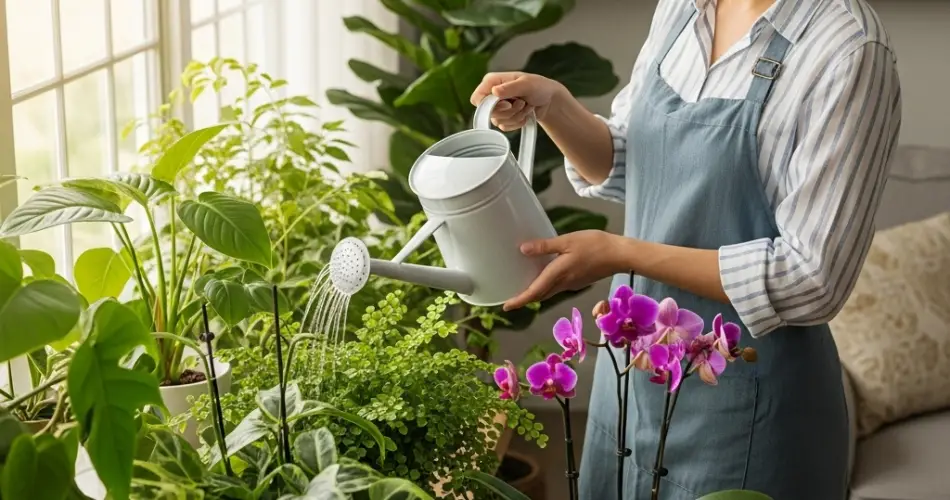
Watering is one of the most essential tasks in gardening, but it can also be one of the trickiest to get right. Every plant has different needs, and several factors—like the weather, soil type, and container size—can influence how often you should water. Overwatering can lead to root rot and other problems, while underwatering can cause wilting and poor growth.
This guide will help you understand how often to water your plants, whether you’re caring for vegetables, flowers, houseplants, or trees, so you can keep them thriving all year round.
1. Understand the Plant’s Needs
Each type of plant has its own water requirements. For example:
-
Succulents and cacti prefer dry conditions and need watering only when the soil is completely dry.
-
Vegetables and flowering annuals usually need consistent moisture, especially during active growth or fruiting.
-
Herbs like basil and parsley prefer evenly moist soil, while woody herbs like rosemary and thyme tolerate drier conditions.
-
Houseplants vary widely—peace lilies like moist soil, while snake plants thrive on neglect.
The first step to proper watering is learning what your specific plants need. Check plant tags, nursery instructions, or reliable guides for recommendations.
2. Check the Soil Before Watering
One of the most effective ways to know when to water is by checking the soil.
-
Stick your finger into the soil about 1–2 inches deep.
-
If it feels dry, it’s time to water.
-
If it’s still damp, wait a day or two and check again.
-
-
You can also use a moisture meter for more accurate readings, especially for indoor plants or large outdoor pots.
Avoid watering on a fixed schedule. Let the soil and plant condition guide you.
3. Water More Often in Hot or Windy Weather
Temperature, sunlight, and wind greatly affect how fast water evaporates from the soil.
-
Hot, sunny days cause soil to dry quickly, especially for container plants or those in raised beds.
-
Wind accelerates moisture loss from leaves and soil.
-
In such conditions, you may need to water daily, especially during peak summer.
During cooler or cloudy periods, reduce watering frequency. The soil stays moist longer and plants use less water.
4. Consider Your Soil Type
The type of soil in your garden has a big impact on how often you need to water:
-
Sandy soil drains quickly and dries out faster, requiring more frequent watering.
-
Clay soil holds moisture longer but can become waterlogged if overwatered.
-
Loamy soil retains moisture well while allowing good drainage, making it ideal for most plants.
If your soil drains too fast or too slow, consider amending it with compost or organic matter to improve moisture retention and balance.
5. Adjust for Container Plants
Plants in pots dry out faster than those in the ground due to limited soil volume and greater exposure to sun and wind.
-
Small pots may need daily watering in hot weather.
-
Large pots retain moisture longer but still need frequent checks.
-
Use containers with drainage holes to prevent waterlogging.
-
Consider adding mulch to container surfaces to reduce evaporation.
Self-watering containers and drip irrigation systems can help regulate moisture more consistently.
6. Water Deeply, Not Lightly
When you water, it’s better to do so thoroughly rather than giving your plants a light sprinkle.
-
Deep watering encourages roots to grow deeper into the soil, making plants stronger and more drought-tolerant.
-
Water until you see moisture coming out of the bottom of the pot or until the soil is moist at least 6 inches deep for in-ground plants.
Shallow watering causes roots to stay near the surface, making plants more susceptible to stress.
7. Morning Is the Best Time to Water
The ideal time to water plants is in the early morning.
-
This allows water to reach the roots before the heat of the day increases evaporation.
-
Leaves have time to dry, reducing the risk of fungal diseases.
-
If morning isn’t possible, late afternoon is the next best time—just avoid watering at night, which can promote rot and mildew.
Consistent timing also helps plants adapt to a regular rhythm.
8. Signs You’re Watering Incorrectly
Overwatering signs:
-
Yellowing leaves
-
Wilting despite moist soil
-
Root rot or moldy soil
-
Fungus gnats indoors
Underwatering signs:
-
Dry, crumbly soil
-
Wilting, crispy leaves
-
Slow growth
-
Leaf drop or brown edges
Observing your plants daily will help you catch problems early and adjust your watering routine accordingly.
Final Thoughts
There’s no universal rule for how often to water your plants. The right frequency depends on the plant type, weather, soil, and growing conditions. By learning to read the signs, testing the soil, and adjusting for seasons and plant size, you’ll develop a watering rhythm that keeps your plants healthy and vibrant. With attention and practice, watering becomes less of a chore and more of a skill that leads to a flourishing garden.


