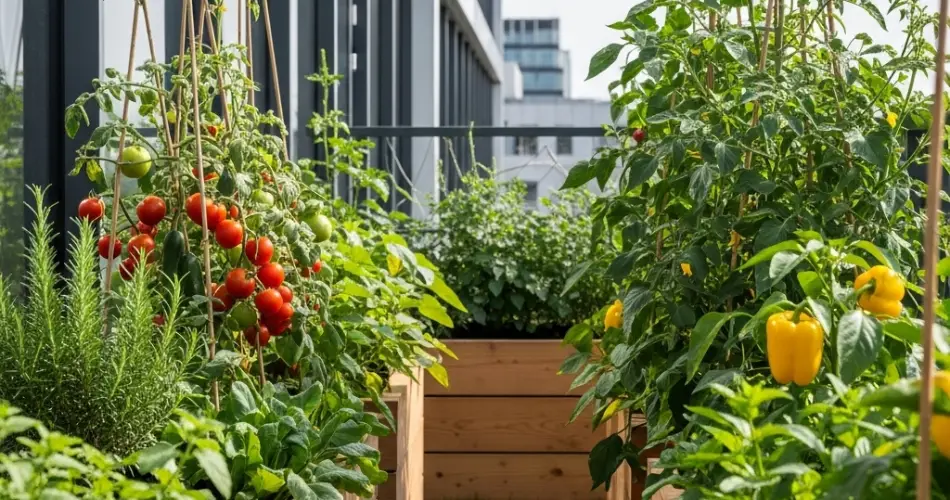
Terrace gardening is a fantastic way to grow your own food and ornamental plants, especially if you live in an urban environment with limited ground space. To build a successful and productive garden on your terrace, two elements are crucial: the right containers and a nutrient-rich, well-draining soil mix. Choosing these wisely can significantly improve plant growth, reduce maintenance, and increase your harvest.
Here’s a comprehensive guide to help you select the best containers and soil mix for your terrace garden.
Choosing the Best Containers for Terrace Gardening
The container is your plant’s entire world, so it’s important to choose one that supports healthy root development, provides drainage, and fits well with your available space and aesthetic preferences.
1. Plastic Pots and Containers
-
Pros: Lightweight, affordable, and available in many sizes and colors.
-
Cons: May degrade over time due to sun exposure.
-
Best for: Leafy greens, herbs, flowers, and shallow-rooted vegetables.
Look for UV-stabilized plastic containers for better durability in full sun.
2. Clay or Terracotta Pots
-
Pros: Porous, allowing good airflow to roots; natural look.
-
Cons: Heavy and breakable; dry out faster than plastic.
-
Best for: Decorative flowers and herbs; not ideal for large vegetables.
Because they lose moisture quickly, they’re better suited for plants that like drier conditions or areas with less sun.
3. Grow Bags
-
Pros: Lightweight, breathable, space-saving, and root-friendly.
-
Cons: Not as durable as hard pots; need replacement every few seasons.
-
Best for: Tomatoes, potatoes, cucumbers, okra, and root vegetables.
Grow bags come in various sizes and can be placed directly on the terrace floor or on raised platforms.
4. Wooden Boxes and Crates
-
Pros: Customizable sizes, natural appearance, and good insulation.
-
Cons: May rot if not treated; needs proper lining.
-
Best for: Mixed vegetable beds, ornamental displays.
Line wooden containers with plastic sheets (with drainage holes) to prolong life.
5. Upcycled Containers
-
Examples: Buckets, paint cans, old tubs, or barrels.
-
Pros: Budget-friendly, eco-friendly.
-
Cons: Must be cleaned and modified (add drainage holes).
-
Best for: Small flowering plants, herbs, or experimental planting.
Use creativity while ensuring plants have enough space and airflow.
Tips for All Containers:
-
Ensure drainage holes are present to prevent waterlogging.
-
Elevate containers slightly to allow water to drain freely.
-
Group pots by plant needs—full sun lovers together, shade-preferring plants in cooler spots.
The Ideal Soil Mix for Terrace Gardening
Good soil is the key to healthy plants. Since terrace plants grow in containers, they rely completely on the soil mix you provide. The soil must retain moisture, drain well, and supply nutrients for sustained growth.
Characteristics of a Good Soil Mix:
-
Lightweight to reduce load on the terrace.
-
Well-draining to prevent root rot.
-
Rich in organic matter for long-term nutrition.
-
pH-balanced, usually between 6.0 and 7.0 for most vegetables and herbs.
Recommended General Soil Mix:
-
40% garden soil or cocopeat – serves as the base; cocopeat is lighter and better for water retention.
-
30% compost or vermicompost – provides nutrients and improves soil structure.
-
20% sand or perlite – improves aeration and drainage.
-
10% organic additives – such as neem cake, bone meal, or biofertilizers for plant health and disease resistance.
Mix all components thoroughly before filling containers. Moisten slightly to help ingredients settle and integrate well.
Crop-Specific Mix Adjustments:
-
Leafy greens (lettuce, spinach): Higher cocopeat content for better moisture retention.
-
Root vegetables (carrots, beets, radishes): Add more sand for loose, airy texture.
-
Fruit vegetables (tomatoes, peppers): Enrich with extra compost and add crushed eggshells for calcium.
-
Herbs (basil, mint): Use well-draining mix with added compost and sand.
Maintaining Soil Health in Terrace Containers
Container soil can become compacted or depleted over time, so regular care is needed.
Replenishment and Rotation:
-
Top-dress with compost every 2–4 weeks during the growing season.
-
Mix in fresh organic matter between crop cycles.
-
Rotate crops in containers to prevent nutrient deficiencies and reduce pests.
Drainage Management:
-
Ensure your containers don’t clog at the bottom.
-
Use a layer of gravel or broken clay pieces below the soil mix to aid drainage.
Pest and Disease Control:
-
Use neem cake or crushed garlic in the mix to naturally repel soil pests.
-
Avoid reusing soil from diseased plants unless thoroughly treated.
Conclusion
Creating a thriving terrace garden starts with selecting the right containers and preparing a healthy, well-balanced soil mix. By choosing materials that suit your plants’ needs and adapting your soil recipe to match the crops you grow, you’ll set the stage for a productive and beautiful green space. Whether you’re growing herbs in grow bags or tomatoes in large pots, the combination of suitable containers and quality soil is what helps your terrace garden truly flourish.


