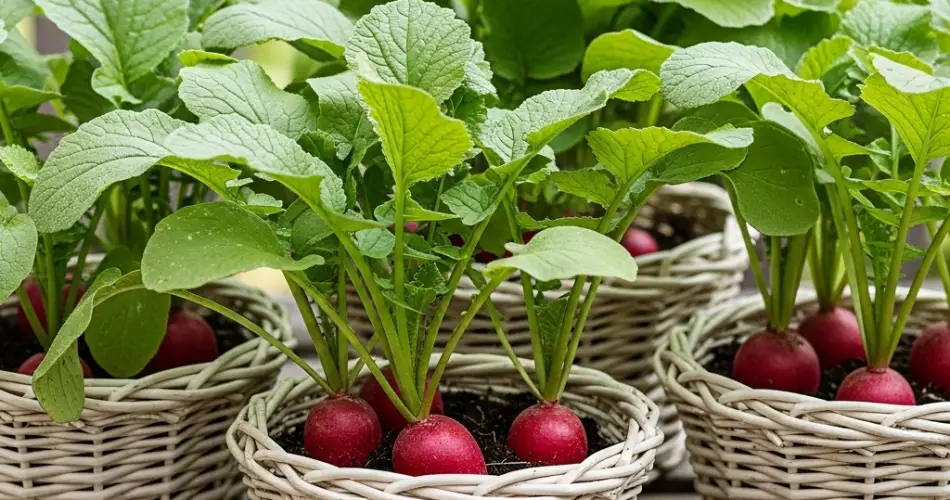
Radishes are one of the easiest vegetables to grow, perfect for gardeners who want fast results with minimal effort. Their short growth cycle—often just 25 to 35 days—makes them a rewarding choice for beginners and experienced gardeners alike. When growing radishes in woven pots, however, the key to success lies in the soil mix. The right soil ensures healthy root development, crisp texture, and excellent flavor. This article explores the best soil composition, preparation methods, and care tips for growing radishes in woven pots.
Why Soil Matters for Radishes
Unlike some leafy greens or herbs that can thrive in less-than-ideal conditions, radishes rely heavily on the soil quality to produce well-formed roots. Poor or compacted soil results in thin, misshapen radishes, while nutrient imbalances can cause lush foliage but tiny bulbs. A carefully balanced soil mix not only promotes healthy root growth but also prevents common problems like cracking or pithiness.
Benefits of Woven Pots for Radishes
Woven pots, whether made of wicker, bamboo, or other natural fibers, are well-suited for radish cultivation. They provide:
-
Good drainage: Prevents waterlogging, which radishes dislike.
-
Air circulation: Helps keep the root zone healthy.
-
Space efficiency: Ideal for balconies, patios, or small gardens.
-
Rustic appeal: Adds a decorative element while being functional.
Since woven pots dry out more quickly than plastic or ceramic containers, soil choice is even more important to retain moisture while staying light and loose.
The Ideal Soil Mix for Radishes
When preparing soil for radishes in woven pots, aim for a mix that is:
-
Light and well-draining – to prevent compaction and allow roots to expand.
-
Nutrient-rich – to support rapid growth.
-
Moisture-retentive but not soggy – to maintain consistent hydration.
Recommended Soil Mix
A balanced mix for radishes might include:
-
40% high-quality potting soil – provides structure and organic matter.
-
30% compost – enriches the mix with nutrients for healthy growth.
-
20% coco coir or peat moss – helps retain moisture in woven pots.
-
10% sand or perlite – improves drainage and prevents soil compaction.
This blend offers both fertility and the light texture radishes need to grow plump and crisp.
Preparing the Pot
Before filling the woven pot, take a few steps to set it up properly:
-
Add a liner: Use burlap, landscape fabric, or coco fiber to keep soil from spilling out of the basket while allowing excess water to drain.
-
Fill with soil mix: Add the prepared soil, leaving about an inch of space at the top to make watering easier.
-
Moisten lightly: Water the soil before planting seeds so it’s damp but not soaked.
Planting Radish Seeds in Woven Pots
Radishes grow best when sown directly into their final container. Scatter seeds evenly or plant them in rows, spacing them about 2 inches apart. Cover lightly with soil, no deeper than half an inch. Since radishes germinate quickly, usually within a week, you’ll soon see sprouts appearing.
If seedlings are too close together, thin them early. Overcrowding prevents roots from forming properly, leading to stringy or stunted radishes.
Watering and Soil Maintenance
Because woven pots lose moisture faster, consistent watering is critical. Radishes need evenly moist soil to develop crisp, tender roots. Here are some guidelines:
-
Check daily: Stick a finger into the soil to test moisture. If the top inch feels dry, it’s time to water.
-
Avoid overwatering: Too much water can lead to rot.
-
Mulch lightly: A thin layer of straw, shredded leaves, or coco husk helps the soil retain moisture longer.
Fertilizing Radishes in Pots
Radishes don’t require heavy feeding, but since woven pots leach nutrients faster, occasional feeding is beneficial. Use a balanced liquid fertilizer every two weeks or a slow-release granular fertilizer mixed into the soil before planting. Avoid high-nitrogen fertilizers, as they promote leafy growth at the expense of root development.
Common Soil-Related Problems
-
Woody or cracked roots: Caused by inconsistent watering or overly dry soil.
-
Small or misshapen radishes: Often due to compacted soil or overcrowding.
-
Excess foliage, poor roots: A sign of too much nitrogen in the soil mix.
Adjusting the soil and care routine can resolve these issues quickly.
Successive Planting for Continuous Harvests
Since radishes grow so quickly, you can re-sow seeds every two weeks for a continuous supply. After harvesting one batch, refresh the soil by adding a small amount of compost before planting again. This ensures that nutrients are replenished for the next round of growth.
Conclusion
The secret to growing crisp, flavorful radishes in woven pots lies in the soil. A well-balanced mix of potting soil, compost, moisture-retentive material, and drainage enhancers ensures that roots form properly and stay tender. Combined with consistent watering, careful fertilization, and successive planting, your woven pot garden can provide a steady stream of fresh radishes all season long. Not only are they quick to grow, but they also add a vibrant, peppery crunch to your kitchen table straight from your balcony or patio.


