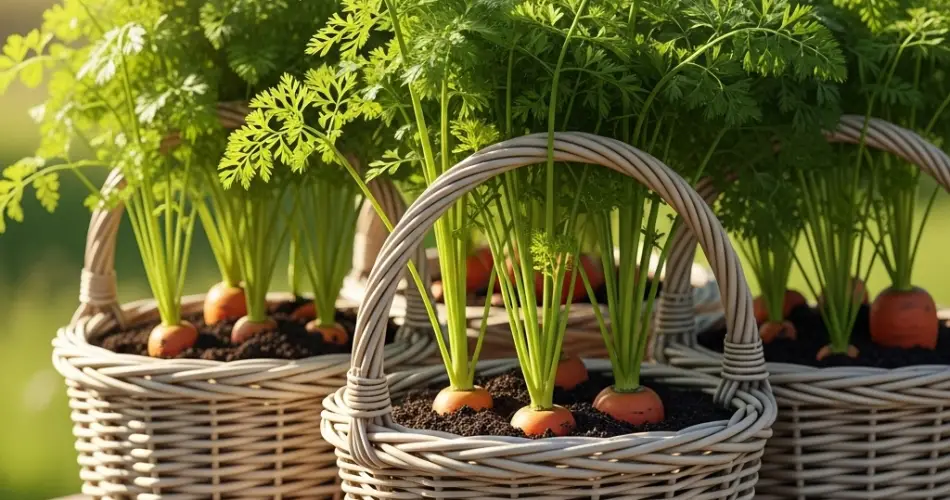
Carrots are a nutritious and versatile vegetable that many people assume require a large garden space to grow successfully. The truth is, carrots can be cultivated just as effectively in small pots on a balcony, patio, or terrace. With the right variety selection, soil preparation, and consistent care, you can enjoy fresh, homegrown carrots without the need for expansive garden beds. Growing carrots in pots is not only space-efficient but also a rewarding way to bring farm-fresh produce right to your balcony.
Why Grow Carrots in Small Pots?
Carrots are root vegetables, and while they traditionally thrive in open soil, pots provide several advantages:
-
Space efficiency: Perfect for urban dwellers with only a balcony or small outdoor area.
-
Control over soil conditions: Containers let you create the ideal loose, stone-free soil that carrots love.
-
Pest reduction: Growing in pots keeps carrots away from certain soil-borne pests and diseases.
-
Portability: Pots can be moved to capture the best sunlight or sheltered from harsh weather.
-
Quick harvests: Many carrot varieties mature quickly in containers, giving you fresh produce in weeks.
Container gardening with carrots proves that even limited spaces can produce impressive harvests.
Choosing the Right Pot
Carrots develop underground, so the depth of your container is the most important factor.
-
Depth: Choose a pot that is at least 10–12 inches deep for short and medium carrot varieties. For longer carrots, opt for 14–16 inches.
-
Width: Wider pots allow you to plant more carrots, but even compact containers can yield a satisfying harvest.
-
Material: Terracotta pots are breathable but may dry out quickly, while plastic or resin pots retain moisture better in hot climates.
-
Drainage: Ensure your container has good drainage holes to prevent waterlogging, which can lead to root rot.
If space is very tight, fabric grow bags are another excellent option, as they provide depth, breathability, and portability.
Soil Preparation
Carrots grow best in loose, well-draining soil that allows roots to expand without obstruction.
-
Base mix: Use a high-quality potting mix rather than garden soil, which may be too compact.
-
Texture: Add sand, perlite, or coconut coir to create a light, airy soil structure.
-
Nutrients: Blend in compost or well-rotted organic matter, but avoid excessive nitrogen, as this promotes leafy tops instead of healthy roots.
-
pH: Aim for a slightly acidic to neutral range of 6.0–7.0.
Loose, friable soil is the key to growing straight, tender, and flavorful carrots in pots.
Sowing Carrot Seeds
Carrots are best grown directly from seed since they do not transplant well.
-
Sow directly: Scatter seeds thinly across the soil surface.
-
Cover lightly: Sprinkle a thin layer of soil over the seeds, about ¼ inch deep.
-
Spacing: Once seedlings sprout, thin them to about 2–3 inches apart, depending on the variety.
-
Varieties for pots: Shorter or round carrot types like ‘Thumbelina,’ ‘Parisian Market,’ or ‘Little Finger’ are particularly well-suited for container gardening.
Sowing in intervals every 2–3 weeks ensures a continuous harvest throughout the season.
Caring for Carrots in Small Pots
Carrots are relatively low-maintenance but need consistent care to develop properly in containers.
-
Sunlight: Place pots where they receive at least 6 hours of direct sunlight daily.
-
Watering: Keep the soil evenly moist. Containers dry out faster than ground soil, so monitor moisture levels closely. Avoid overwatering, which can cause root rot.
-
Thinning: Thin seedlings as early as possible to prevent overcrowding, which leads to misshapen roots.
-
Fertilizing: Use a balanced fertilizer sparingly. Avoid nitrogen-heavy feeds that encourage leafy growth at the expense of roots. A potassium-rich formula is best for strong, healthy carrots.
-
Mulching: Adding a thin mulch layer helps retain soil moisture and keeps potting mix cool.
Harvesting Balcony Carrots
Harvesting carrots from small pots is one of the most satisfying parts of container gardening.
-
Timing: Depending on the variety, carrots are ready to harvest in 60–80 days. Baby carrots can be pulled earlier for a tender, sweet flavor.
-
Signs of maturity: Look for the tops of the carrot shoulders pushing above the soil.
-
Method: Gently loosen the soil with your fingers and pull the carrot from the base of the greens.
-
Continuous harvests: If you stagger your plantings, you’ll enjoy fresh carrots over several weeks rather than all at once.
Freshly harvested carrots are far more flavorful and crisp compared to store-bought ones, making the effort well worth it.
Common Problems and Solutions
Even in containers, carrots may face a few challenges.
-
Forked or twisted roots: Often caused by compact soil or overcrowding. Ensure loose soil and proper spacing.
-
Pests: While pots reduce pest risk, aphids and carrot rust flies may still appear. Use row covers or natural sprays to manage them.
-
Poor germination: Carrot seeds can be slow to sprout. Keep soil consistently moist during germination.
-
Bitter or woody roots: Typically a result of harvesting too late or irregular watering. Pick carrots at the right time for the best flavor.
Conclusion
Balcony carrot gardening in small pots is a simple, efficient, and rewarding way to grow fresh produce in limited spaces. By selecting the right container, preparing light soil, and providing consistent care, you can enjoy crisp, sweet carrots right outside your door. Whether you’re growing short, round varieties for quick harvests or slender baby carrots for gourmet meals, container gardening makes it possible to enjoy homegrown carrots even without a traditional garden.
With a little effort, your balcony can become a productive mini-vegetable patch, providing you with the satisfaction of harvesting vibrant, nutrient-rich carrots straight from the pot to your kitchen table.


