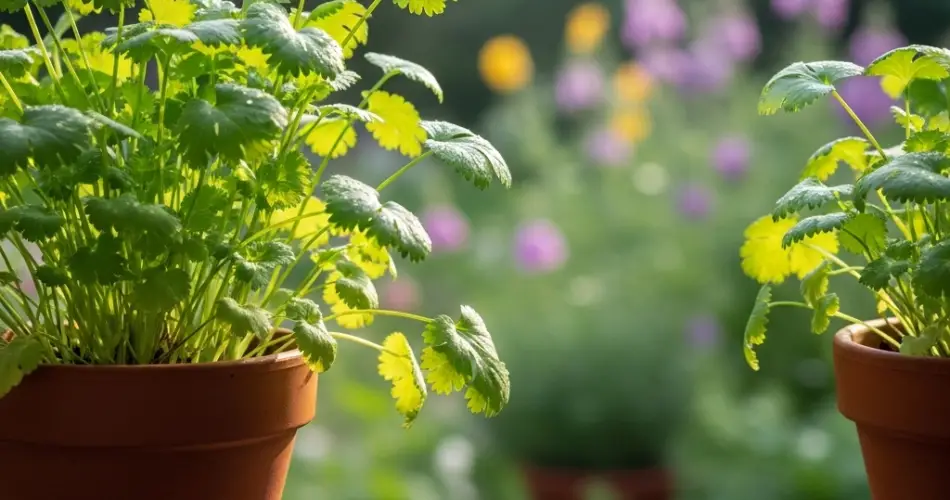
Cilantro, also known as coriander, is a popular herb prized for its fresh, citrusy leaves used in a variety of cuisines around the world—from Mexican and Indian to Middle Eastern dishes. Growing cilantro in containers is a great way to ensure a steady supply of this flavorful herb right at your fingertips, especially if you have limited outdoor space or want to keep herbs close to your kitchen.
This article outlines the best practices for successful cilantro container gardening, covering everything from choosing the right pots to harvesting and care.
Why Grow Cilantro in Containers?
Container gardening offers several advantages for growing cilantro:
-
Space Efficiency: Ideal for small patios, balconies, or windowsills.
-
Mobility: Easily move containers to optimize sunlight or protect plants from harsh weather.
-
Control: Manage soil quality, watering, and pests more effectively.
-
Freshness: Harvest leaves as needed, ensuring the freshest flavor.
Choosing the Right Container
Selecting an appropriate container is essential for cilantro’s health and productivity:
-
Size: Cilantro has a moderate root system; choose containers at least 8 to 12 inches deep and wide. This provides enough space for roots to spread.
-
Material: Plastic, terracotta, ceramic, or metal containers all work, but ensure the pot has good drainage.
-
Drainage: Make sure the container has drainage holes to prevent waterlogging, which can cause root rot.
Soil Requirements
Cilantro prefers well-draining, nutrient-rich soil. Use a high-quality potting mix combined with organic matter such as compost to improve fertility and moisture retention.
Avoid heavy garden soil, which may compact and restrict root growth.
Planting Cilantro
You can start cilantro from seeds or young seedlings:
-
Seeds: Sow cilantro seeds about 1/4 inch deep, spacing them 2 to 3 inches apart. Cilantro seeds germinate in 7 to 10 days when kept moist.
-
Seedlings: Transplant young plants carefully into containers, spacing them to avoid overcrowding.
Since cilantro has a relatively short life cycle, stagger sowing every few weeks for continuous harvest.
Light and Temperature
Cilantro thrives in full sun but appreciates some afternoon shade in hot climates to prevent bolting (premature flowering).
Ideal temperatures range from 50°F to 85°F (10°C to 29°C). In very hot weather, cilantro tends to bolt quickly, so cooler growing conditions are preferred.
Watering and Maintenance
Keep the soil consistently moist but not soggy. Water when the top inch of soil feels dry.
Container plants dry out faster, especially in warm weather, so regular watering is essential.
Avoid overhead watering to reduce the risk of fungal diseases.
Fertilizing Cilantro
Feed cilantro plants every 3 to 4 weeks with a balanced, water-soluble fertilizer or an organic alternative like compost tea.
Over-fertilization can encourage leaf growth but may weaken flavor, so use fertilizers sparingly.
Preventing Bolting
Bolting causes cilantro to flower and set seed quickly, reducing leaf production and quality. To delay bolting:
-
Grow cilantro in cooler temperatures.
-
Provide afternoon shade during hot months.
-
Keep soil evenly moist.
-
Harvest leaves regularly to encourage new growth.
Harvesting Cilantro
Begin harvesting cilantro leaves once plants reach about 4 to 6 inches tall.
Use scissors to snip leaves from the outer stems, allowing the center to continue growing.
Harvest frequently to promote bushier plants and delay flowering.
Cilantro seeds (coriander) can be harvested after flowering and dried for use as a spice or for future planting.
Common Problems and Solutions
-
Leggy Plants: Often caused by insufficient light; provide more sunlight or supplemental grow lights.
-
Yellowing Leaves: May indicate overwatering or nutrient deficiencies; adjust watering and fertilize appropriately.
-
Pests: Watch for aphids, spider mites, and whiteflies. Use insecticidal soap or neem oil as needed.
-
Fungal Diseases: Ensure good air circulation and avoid wetting foliage during watering.
Companion Planting Tips
Cilantro grows well alongside tomatoes, spinach, and peppers. Avoid planting near fennel, which can inhibit growth.
Benefits of Cilantro Container Gardening
-
Freshness: Easily snip fresh leaves for cooking.
-
Convenience: Container location close to kitchen for quick access.
-
Sustainability: Grow your own herbs and reduce dependence on store-bought options.
-
Educational: Great for beginners learning container gardening.
Conclusion
Growing cilantro in containers is an excellent way to enjoy fresh, flavorful herbs year-round, even in small spaces. By choosing the right containers, providing optimal soil and light, watering appropriately, and practicing regular harvesting, you can cultivate healthy cilantro plants that thrive in pots.
Whether you’re an experienced gardener or just starting, cilantro container gardening offers convenience, sustainability, and delicious rewards right at your fingertips.


