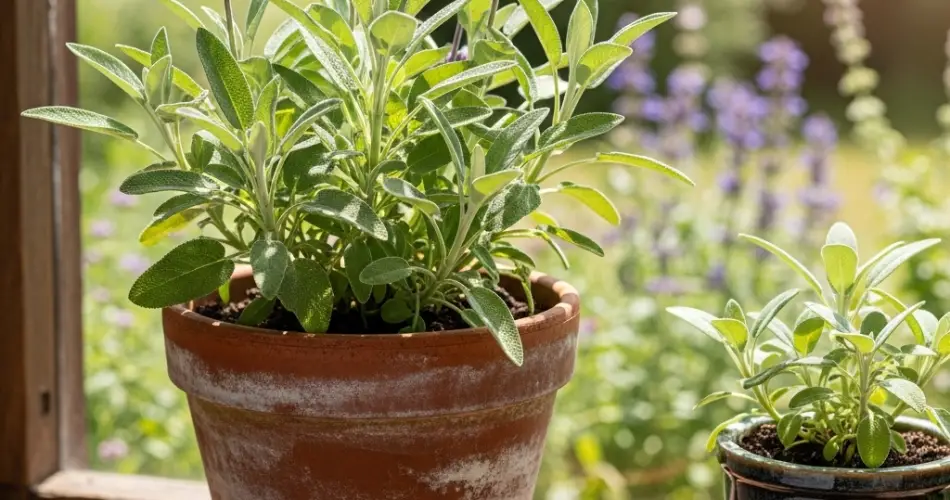
Sage is a fragrant, hardy herb widely used in cooking and traditional remedies. Growing sage in pots is an excellent way to have fresh leaves available year-round, even in limited spaces like balconies, patios, or indoors. To cultivate healthy, flavorful sage plants, it’s essential to provide the right soil, watering, and lighting conditions. This guide covers everything you need to know to pot sage successfully and keep it thriving.
Why Grow Sage in Pots?
Sage is a Mediterranean herb that prefers well-drained soil and plenty of sunlight. Container gardening offers several benefits:
-
Space Efficiency: Perfect for gardeners with limited outdoor space.
-
Control Over Conditions: Easily manage soil quality, watering, and light exposure.
-
Mobility: Move plants indoors or outdoors depending on weather conditions.
-
Pest Management: Reduced risk of soil-borne pests and diseases.
Choosing the Right Soil for Potted Sage
Sage thrives best in soil that drains well but still retains some moisture. Here are the key considerations for soil:
-
Well-Draining Soil: Sage dislikes waterlogged soil, which can cause root rot. Use a potting mix designed for herbs or vegetables that includes materials like perlite or coarse sand to improve drainage.
-
Soil Composition: A mix containing peat moss or coconut coir combined with compost and perlite works well. Compost provides essential nutrients while perlite enhances aeration.
-
pH Preference: Sage prefers slightly acidic to neutral soil, with a pH range of 6.0 to 7.0.
-
Nutrient Needs: Sage is not a heavy feeder but benefits from moderate fertility. Avoid overly rich soil, which can lead to leggy growth and reduced flavor.
Selecting the Right Pot for Sage
Choosing a suitable container helps maintain healthy roots and prevents overwatering problems:
-
Size: Select a pot at least 8-12 inches deep and wide to accommodate the root system. Larger pots encourage robust growth.
-
Material: Terracotta pots are ideal because they are porous and promote evaporation of excess moisture, helping prevent root rot. Plastic pots retain moisture longer and are lighter but require careful watering.
-
Drainage: Make sure the pot has ample drainage holes. Poor drainage can be detrimental to sage health.
Watering Sage in Containers
Proper watering is crucial since both overwatering and underwatering can harm sage:
-
Frequency: Water when the top inch of soil feels dry to the touch. Sage prefers to dry out slightly between waterings.
-
Amount: Water deeply until excess drains from the bottom, ensuring the entire root ball receives moisture.
-
Avoid Waterlogging: Do not let the pot sit in standing water, as sage roots are prone to rot.
-
Signs of Overwatering: Yellowing leaves, soft stems, or a sour smell from the soil indicate excess moisture.
-
Signs of Underwatering: Wilting, dry, or brittle leaves suggest the plant needs more water.
Light Requirements for Potted Sage
Sage is a sun-loving plant that flourishes with plenty of bright light:
-
Sunlight: Provide at least 6-8 hours of direct sunlight daily. A south-facing window or sunny balcony spot is ideal.
-
Indoor Lighting: If natural sunlight is insufficient, supplement with a grow light for 8-12 hours a day.
-
Effects of Insufficient Light: Lack of adequate light causes leggy, weak growth and reduced flavor intensity.
-
Rotating Pots: Rotate your pot periodically to ensure even light exposure and prevent leaning.
Additional Tips for Thriving Potted Sage
-
Temperature: Sage prefers moderate temperatures between 60°F and 70°F (15°C – 21°C). Protect from frost and extreme heat.
-
Air Circulation: Good airflow helps prevent fungal diseases. Avoid overcrowding plants.
-
Fertilizing: Feed sage lightly with a balanced, water-soluble fertilizer once every 4-6 weeks during the growing season.
-
Pruning: Regularly prune sage to encourage bushy growth and prevent the plant from becoming woody. Harvest leaves by cutting stems back by about one-third.
Common Problems and How to Avoid Them
-
Root Rot: Often caused by poor drainage or overwatering. Use well-draining soil and pots with drainage holes.
-
Powdery Mildew: Fungal infection that appears as white powder on leaves. Prevent by ensuring good airflow and avoiding overhead watering.
-
Pests: Watch for aphids, spider mites, and whiteflies. Use insecticidal soap or neem oil to control infestations.
-
Leggy Growth: Typically due to inadequate light or overcrowding. Provide more sunlight and space.
Repotting Sage
-
Repot every 2-3 years or when the plant becomes root-bound.
-
Use fresh soil mix to replenish nutrients.
-
Choose a slightly larger pot if needed to accommodate growth.
Conclusion
Potting sage successfully involves paying close attention to soil, watering, and light conditions. Using well-draining soil, watering carefully, and providing ample sunlight will help your sage plant thrive in containers. With proper care, you can enjoy a bountiful supply of aromatic leaves for cooking, teas, and medicinal uses, all conveniently grown at home.


