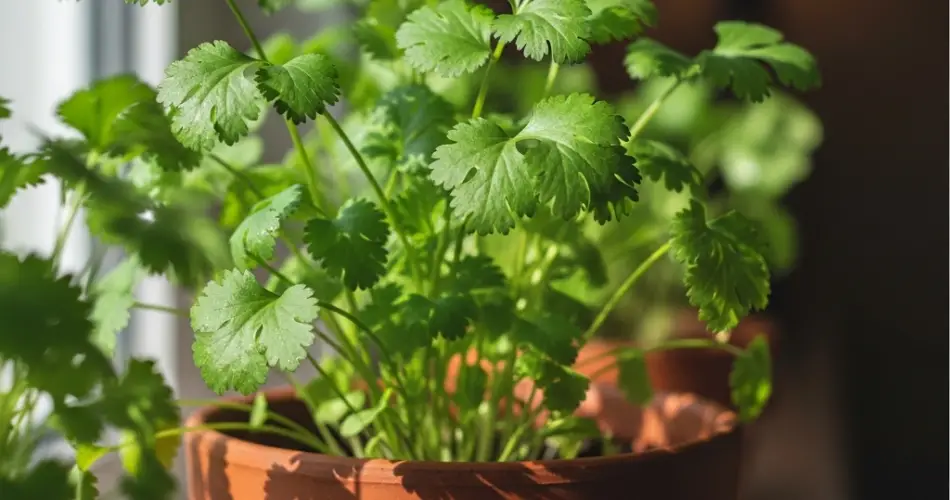
Cilantro, also known as coriander, is a popular herb celebrated for its bright, citrusy flavor and aromatic leaves. It is a staple in many cuisines, from Mexican to Indian, and having fresh cilantro at home can elevate your cooking significantly. Growing cilantro in pots is a great way to keep this herb readily available, especially if you have limited outdoor space. By potting cilantro correctly and following some simple care tips, you can enjoy continuous harvests of fresh leaves throughout the growing season. This guide covers everything you need to know to successfully grow cilantro in containers for ongoing use.
Why Grow Cilantro in Pots?
Cilantro is a fast-growing, annual herb that prefers cooler weather but can be grown almost year-round in many climates. Growing it in pots offers several advantages:
-
Space-Saving: Ideal for balconies, patios, windowsills, or small gardens.
-
Control Over Conditions: You can tailor soil, water, and sunlight to suit cilantro’s needs.
-
Easy to Rotate: Move pots to optimize sunlight or protect plants from harsh weather.
-
Extended Harvest: Staggered planting in pots allows for a steady supply of fresh leaves.
Choosing the Right Container
Selecting an appropriate pot is crucial to healthy cilantro plants:
-
Size: Choose a container at least 8 to 12 inches deep and wide to provide enough space for root development.
-
Material: Plastic pots retain moisture longer, which can be helpful, but terracotta pots promote better aeration.
-
Drainage: Ensure the pot has adequate drainage holes to prevent waterlogging and root rot.
Using multiple smaller pots can also be an effective strategy for staggered planting.
Soil Requirements for Cilantro
Cilantro thrives in well-draining, nutrient-rich soil:
-
Potting Mix: Use a high-quality potting mix designed for herbs or vegetables.
-
Soil Composition: A mix of peat moss or coconut coir, compost, and perlite or sand works well.
-
pH Level: Cilantro prefers slightly acidic to neutral soil with a pH of 6.2 to 6.8.
-
Fertilizing: Feed plants lightly with a balanced fertilizer every 3-4 weeks during the growing season.
Planting Cilantro in Pots
Cilantro grows quickly from seeds and is best started directly in containers:
-
Sowing Seeds: Sow seeds about ¼ inch deep and space them about 2 inches apart.
-
Thinning: Once seedlings emerge, thin them to 4-6 inches apart to allow adequate room for growth.
-
Staggered Planting: To ensure continuous harvests, plant seeds every 2-3 weeks in separate pots or sections.
Caring for Potted Cilantro
Proper care is essential for vigorous growth and prolonged harvests:
-
Light: Cilantro prefers full sun but can tolerate light shade, especially in hot climates.
-
Watering: Keep soil consistently moist but not soggy. Water when the top inch of soil feels dry.
-
Temperature: Cilantro thrives in cooler temperatures between 50-85°F (10-29°C). Hot weather may cause premature bolting.
-
Air Circulation: Good airflow helps prevent fungal diseases and supports healthy plants.
Harvesting Cilantro
Harvesting cilantro correctly encourages continuous growth:
-
Timing: Begin harvesting when plants are about 6 inches tall, usually 3-4 weeks after sowing.
-
Method: Snip outer leaves first, cutting stems near the base but leaving the central growth intact.
-
Avoid Full Removal: Never harvest more than one-third of the plant at a time to prevent stress.
-
Frequent Harvesting: Regularly harvesting leaves delays flowering (bolting) and promotes bushier growth.
Preventing Bolting
One of the biggest challenges with growing cilantro is premature bolting—when the plant flowers and produces seeds too quickly, leaving leaves bitter and sparse. To minimize bolting:
-
Cooler Conditions: Keep cilantro in a cooler spot, use shade cloths during hot periods, or grow in early spring or fall.
-
Regular Harvesting: Frequent trimming delays flowering by redirecting energy to leaf growth.
-
Adequate Water: Avoid letting the soil dry out, which can trigger bolting.
-
Succession Planting: Plant new seeds every few weeks to maintain a steady supply as older plants bolt.
Extending the Growing Season
In colder climates or during off-season months:
-
Bring Indoors: Move pots inside to a bright window with ample sunlight.
-
Grow Lights: Use supplemental grow lights if natural light is insufficient.
-
Reduce Watering: Water less frequently when growth slows.
Troubleshooting Common Issues
-
Yellowing Leaves: Often a sign of overwatering or nutrient deficiency.
-
Leggy Plants: May result from insufficient light or overcrowding.
-
Pests: Watch for aphids, spider mites, and whiteflies. Treat infestations with insecticidal soap or neem oil.
-
Fungal Diseases: Good drainage and airflow help prevent powdery mildew or root rot.
Final Tips for Success
-
Rotate pots occasionally for even sunlight exposure.
-
Use organic mulch on top of soil to retain moisture.
-
Keep an eye on weather conditions and adjust placement as needed.
-
Practice succession planting for a year-round cilantro harvest.
Conclusion
Potting cilantro is an excellent way to enjoy fresh, flavorful herbs right at home. By choosing the right containers, providing well-draining soil, and practicing staggered planting and regular harvesting, you can keep cilantro plants productive and prevent common problems like bolting. Whether you’re a seasoned gardener or a beginner, container-grown cilantro offers convenience, freshness, and vibrant flavor for your culinary creations all season long.


