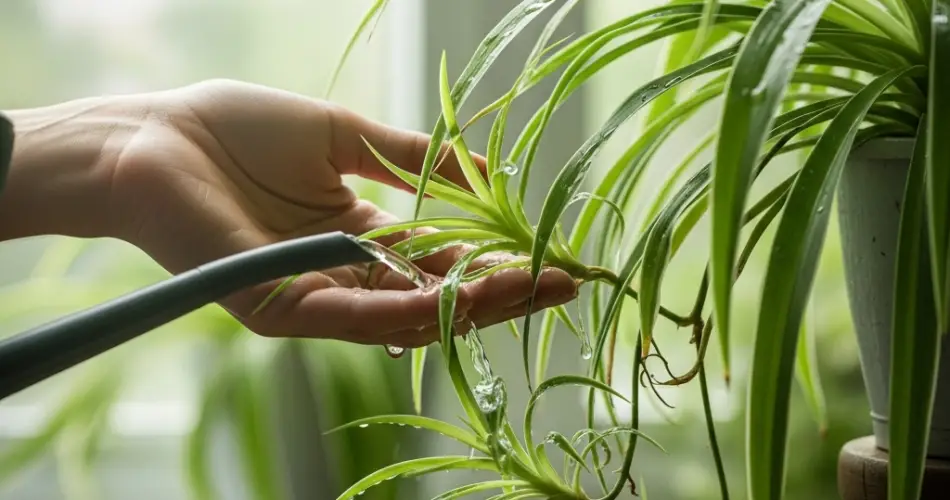
Spider plants (Chlorophytum comosum) are among the most popular houseplants for a reason—they’re attractive, low-maintenance, and easy to propagate. Their long, arching leaves and cascading baby offshoots (called “spiderettes”) make them a charming addition to any indoor space. While these plants are forgiving, proper moisture management is essential for their long-term health.
Whether you’re caring for a mature spider plant or tending to newly rooted babies, understanding their moisture needs is crucial. Here’s a detailed guide to keeping both adult and baby spider plants hydrated without risking overwatering or root damage.
The Watering Needs of Spider Plants
Spider plants are native to tropical and subtropical regions, where they grow in consistently moist but well-draining soil. Indoors, they thrive when the soil is allowed to dry out slightly between waterings. Their fleshy roots store water, giving them some drought resistance, but consistent overwatering can lead to root rot, leaf browning, and general decline.
For both adult plants and babies, the golden rule is: moist, not soggy. Avoid letting the plant sit in water or watering on a strict schedule—let the soil and plant condition guide your decisions.
How to Water Adult Spider Plants
Mature spider plants are hardy and can adapt to different environments, but they grow best when watered correctly. Follow these tips to maintain healthy hydration:
1. Check Soil Moisture First
Insert your finger into the top 1–2 inches of soil. If it feels dry at that depth, it’s time to water. If it still feels damp, wait a few more days. A moisture meter can also be helpful for precision.
2. Water Deeply, Then Drain
Use room-temperature water and pour it evenly across the soil surface. Continue watering until it begins to drain from the bottom. Be sure to discard any water that collects in the saucer or tray to prevent the roots from sitting in moisture.
3. Adjust for Season and Light
During the growing season (spring and summer), spider plants need more frequent watering—typically once a week. In fall and winter, reduce watering to every 10–14 days, especially if your plant is in lower light or cooler conditions.
Caring for Spider Plant Babies
Spiderettes, or baby spider plants, grow on long stems that arch out from the mother plant. These babies can be rooted in soil or water, and once established, they require a slightly different approach to moisture compared to mature plants.
Rooting Spider Plant Babies in Water
-
Place the baby in a small container of water, ensuring only the root area is submerged.
-
Change the water every 3–4 days to prevent stagnation and bacterial buildup.
-
Once the roots are 1–2 inches long, transplant the baby into potting soil.
Rooting Spider Plant Babies in Soil
-
Fill a small pot with well-draining soil.
-
Plant the baby gently, just deep enough to anchor the roots.
-
Water lightly to settle the soil and maintain slight moisture while roots develop.
-
Avoid overwatering during this stage—lightly moist soil is enough.
Once the baby plant begins showing new leaf growth, you can begin treating it like a young adult spider plant.
Common Moisture Mistakes to Avoid
Both adults and babies are sensitive to moisture imbalances. Here are some frequent issues and how to avoid them:
Overwatering:
-
Symptoms: Yellowing leaves, soft or mushy roots, musty soil smell
-
Solution: Let the soil dry out before watering again. Repot if root rot is suspected.
Underwatering:
-
Symptoms: Brown, crispy leaf tips; drooping leaves; dry, compacted soil
-
Solution: Water thoroughly and adjust frequency based on temperature and humidity.
Inconsistent Watering:
-
Symptoms: Brown tips, leaf curl, stunted growth
-
Solution: Try to establish a more consistent routine based on soil dryness.
Poor Drainage:
-
Symptoms: Soil stays wet for days, roots become waterlogged
-
Solution: Use a pot with drainage holes and a light, well-draining potting mix. Avoid saucers that hold standing water.
Ideal Soil and Potting Conditions
Use a well-draining, lightweight potting mix for both adult plants and babies. A standard indoor plant mix with added perlite or sand works well. Avoid heavy or compact soils that retain excess moisture.
Choose pots with good drainage and never use containers without holes unless you are confident in your watering control. Terracotta pots can also help by absorbing excess moisture and allowing the soil to dry faster.
Final Tips for Healthy Spider Plants
-
Avoid over-misting: Spider plants enjoy moderate humidity, but misting too often can lead to fungal issues.
-
Water with distilled or filtered water if possible: These plants are sensitive to fluoride and chlorine, which can cause leaf tip browning.
-
Monitor light levels: Brighter light means faster evaporation, so adjust your watering routine accordingly.
-
Rotate your plant regularly: This ensures even growth and light distribution, reducing moisture imbalance.
With proper moisture care, both adult and baby spider plants can flourish in almost any indoor setting. By watching the soil, responding to your plant’s signals, and avoiding common watering mistakes, you’ll enjoy lush, vibrant spider plants that continue to grow and multiply for years to come.


