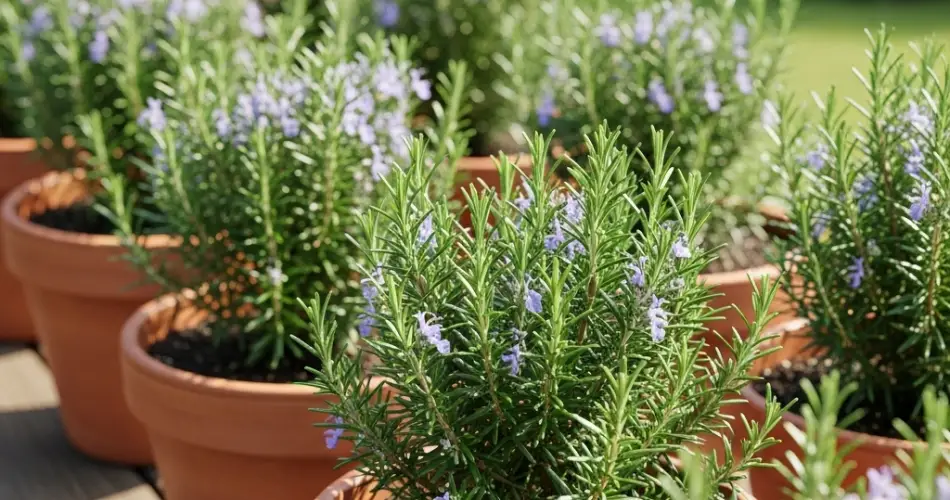
Thyme is a versatile and aromatic herb that thrives in containers, making it a great choice for both seasoned and beginner gardeners. Whether you’re growing upright thyme for culinary use or creeping thyme for ornamental ground cover, selecting the right container plays a crucial role in the plant’s health, flavor, and overall appearance. Fortunately, both types of thyme grow well in pots, allowing you to cultivate them on patios, balconies, windowsills, or garden shelves.
This guide explores the best types of containers for growing creeping and upright thyme, how to prepare them properly, and essential care tips to ensure thriving plants with maximum fragrance and flavor.
Understanding Thyme Varieties
Before selecting your container, it helps to understand the differences between creeping and upright thyme:
-
Upright thyme varieties (like English or French thyme) grow vertically and are commonly used in cooking. They form compact, bushy mounds with woody stems and are prized for their strong aroma and flavor.
-
Creeping thyme is a low-growing, spreading plant often used as ground cover or in ornamental borders. While edible, it’s typically milder in flavor and more decorative in nature, with small, fragrant flowers that attract pollinators.
Both types share similar growing requirements: full sun, well-draining soil, and minimal watering once established.
Best Containers for Upright Thyme
Upright thyme grows in a tidy mound and doesn’t require a deep root system. The best containers for these varieties are:
-
Terracotta Pots: These clay containers are ideal because they breathe, allowing moisture to evaporate and reducing the risk of overwatering. The natural look also complements thyme’s rustic charm.
-
Ceramic Pots: Glazed ceramic pots are attractive and retain moisture a bit more than terracotta, which can be beneficial in dry climates. Just ensure they have proper drainage holes.
-
Plastic Pots: Lightweight and inexpensive, plastic containers retain moisture longer and are a good choice for hot, dry areas. Choose UV-resistant plastic if placing outdoors.
-
Fabric Grow Bags: Breathable and portable, grow bags prevent root circling and provide excellent drainage. They’re especially useful for gardeners who want to move plants indoors during colder months.
Size recommendation:
A pot that’s at least 8 inches deep and 10–12 inches wide will comfortably support an upright thyme plant. If you’re planting more than one, use a longer trough-style container with each plant spaced 6–8 inches apart.
Best Containers for Creeping Thyme
Creeping thyme spreads horizontally and remains low to the ground, making it perfect for shallow containers, decorative borders, and even hanging baskets.
-
Shallow Dish Planters: These wide, low pots are ideal for showcasing creeping thyme’s mat-forming habit. They allow the plant to spill over the edges attractively.
-
Window Boxes: Perfect for creating a cascading effect, window boxes work well when mounted on railings or ledges.
-
Hanging Baskets: A visually appealing way to grow creeping thyme, especially when combined with other trailing herbs or flowers.
-
Stone or Concrete Planters: These heavy containers retain warmth and suit outdoor settings. They also help creeping thyme spread slowly across their surface.
Size recommendation:
A container that’s 4–6 inches deep and wide enough to allow spreading (12 inches or more) is ideal for creeping thyme. Good drainage remains essential, even in shallow pots.
Drainage is Key
Regardless of which thyme variety or container type you choose, drainage is non-negotiable. Thyme hates soggy roots, and poor drainage can quickly lead to root rot. Always:
-
Choose containers with multiple drainage holes
-
Use well-draining potting mix (ideally with sand or perlite)
-
Avoid placing saucers directly under outdoor pots unless emptied regularly
Adding a layer of small stones or broken pottery at the bottom of the container can also improve drainage.
Soil and Placement Tips
Thyme prefers light, alkaline to neutral soil. A mixture of potting mix, coarse sand, and a small amount of compost creates the ideal growing medium. Avoid overly rich soils, which can lead to leggy growth and reduced flavor.
Place containers in full sun—thyme needs at least 6–8 hours of sunlight per day for healthy growth and strong flavor development. For indoor growing, position thyme near a sunny window or supplement with a grow light.
Watering and Maintenance
Both creeping and upright thyme prefer to be on the drier side. Water only when the top inch of soil feels dry. Overwatering is a common mistake and can weaken the plant or attract pests.
Other tips:
-
Trim thyme regularly to encourage bushier growth
-
Remove flower buds on upright thyme to extend leaf production
-
Fertilize sparingly; once every 6–8 weeks with a mild organic feed is enough
Creative Container Ideas
-
Repurpose old teapots, colanders, or tin cans (with holes drilled for drainage) for a charming herb display
-
Use vertical wall planters to grow both types of thyme in a decorative fashion
-
Combine thyme with other Mediterranean herbs like rosemary or oregano in a large divided planter
Conclusion
Choosing the right container is key to growing healthy, fragrant thyme—whether upright for cooking or creeping for decorative ground cover. With proper drainage, the right soil, and plenty of sunshine, thyme is an easy-going herb that thrives in pots. Whether you’re creating a culinary container garden or a decorative herbal display, thyme offers beauty, resilience, and delicious aroma all season long.


