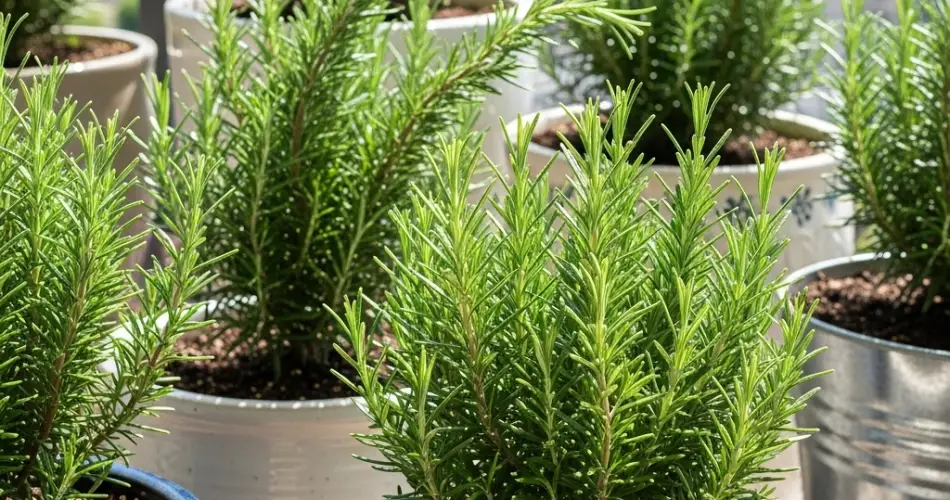
Rosemary is a wonderfully aromatic herb that thrives in pots and can elevate any home garden with its evergreen beauty and culinary versatility. With its needle-like leaves and woody stems, rosemary is both decorative and practical. Whether you’re flavoring meats, infusing oils, or simply enjoying its fresh fragrance, rosemary is an ideal herb to grow in containers—indoors or out.
This step-by-step guide will walk you through everything you need to know to successfully grow rosemary in pots, even if you have limited space. With the right setup and care, you’ll enjoy a healthy, thriving rosemary plant year-round.
Why Grow Rosemary in Containers?
Rosemary is native to the Mediterranean and prefers dry, sunny conditions, making it perfect for pot cultivation. Growing rosemary in containers offers several advantages:
-
Control over soil quality and drainage
-
Prevention of overgrowth—potted rosemary is easier to manage
-
Portability—move the plant indoors during cold months
-
Ideal for small spaces like balconies, patios, and windowsills
In cold climates, rosemary grown in containers can be brought indoors to survive winter, making it a smart year-round herb option.
Choosing the Right Pot
Rosemary has a fairly deep root system, so choose a pot that is at least 12 inches deep and equally wide. Good drainage is essential to prevent root rot, so make sure your container has drainage holes at the bottom.
Terracotta pots are a popular choice for rosemary because they allow excess moisture to evaporate and keep the roots dry. However, plastic or ceramic pots with adequate drainage will also work well.
For larger rosemary plants, use heavier containers to prevent them from tipping over in the wind.
Soil Requirements
Rosemary prefers well-draining soil with a slightly alkaline to neutral pH. Avoid heavy, moisture-retentive soils that can cause the roots to stay too wet.
Use a light potting mix specifically for herbs or vegetables. You can make your own mix by combining:
-
2 parts potting soil
-
1 part coarse sand or perlite for drainage
-
1 part compost for nutrients
If needed, add crushed eggshells or a sprinkle of lime to increase alkalinity.
How to Plant Rosemary
You can start rosemary from seed, but it is slow and sometimes unreliable. A better option for beginners is to start with a cutting or nursery-grown plant.
From a nursery plant:
-
Fill your pot with the prepared potting mix.
-
Gently remove the plant from its original container.
-
Place it in the center of the new pot, ensuring the root ball is level with the surface.
-
Fill in around the sides with soil and press lightly.
-
Water thoroughly to settle the soil.
From cuttings:
-
Take a 4–6 inch cutting from an established rosemary plant.
-
Remove the leaves from the lower half.
-
Place the cutting in water or moist potting soil until roots form.
-
Once rooted, transplant into a container as above.
Light and Temperature
Rosemary thrives in full sunlight. Aim for at least 6 to 8 hours of direct sun daily. Place your pot in a bright location such as:
-
A sunny patio or balcony
-
A south-facing window indoors
-
A windowsill with supplemental grow lighting in low-light seasons
Rosemary prefers warm temperatures and should be protected from frost. If you live in a region with cold winters, bring your container indoors when temperatures drop below 40°F (4°C).
Watering and Feeding
Rosemary prefers its soil to dry slightly between waterings. Water when the top inch of soil feels dry to the touch. Avoid overwatering, which can lead to root rot.
Tips:
-
Water deeply but infrequently.
-
Make sure the container allows excess water to drain.
-
In dry indoor environments, mist occasionally or use a humidity tray.
As for feeding, rosemary doesn’t need much fertilizer. Use a diluted liquid fertilizer every 4–6 weeks during the growing season (spring and summer). Avoid heavy feeding, which can cause excessive leaf growth and reduce flavor intensity.
Pruning and Maintenance
Regular pruning keeps your rosemary plant bushy and productive. Once the plant reaches 6–8 inches tall:
-
Trim back the tips of each branch to encourage branching.
-
Remove any dead or woody stems.
-
Avoid cutting into the hard, old wood at the base—this may not regrow.
You can prune lightly year-round and more heavily in late spring or early summer to shape the plant.
Harvesting Rosemary
Harvest rosemary sprigs as needed once the plant is well established. To harvest:
-
Snip sprigs 4–6 inches long from the top of the plant.
-
Harvest in the morning for best flavor.
-
Use fresh or dry the sprigs for long-term storage.
To dry rosemary, bundle a few sprigs and hang them in a cool, dry place out of direct sunlight. Once dry, strip the leaves and store them in an airtight container.
Common Problems and Solutions
-
Yellowing leaves: Often caused by overwatering or poor drainage.
-
Leggy growth: Indicates insufficient sunlight—move to a sunnier location.
-
Powdery mildew or pests: Improve air circulation and treat with neem oil or insecticidal soap if needed.
-
Root rot: Prevent by using well-draining soil and watering carefully.
Final Thoughts
Rosemary is an excellent herb to grow in pots—beautiful, fragrant, and useful in the kitchen. With proper care, sunlight, and drainage, your rosemary plant will thrive in containers and provide flavorful sprigs for cooking year-round.
Whether you’re a beginner or seasoned gardener, pot-grown rosemary is a low-maintenance herb that adds both charm and flavor to your space. Place it near your kitchen for convenience, and enjoy the satisfaction of harvesting your own fresh herbs whenever you need them.


