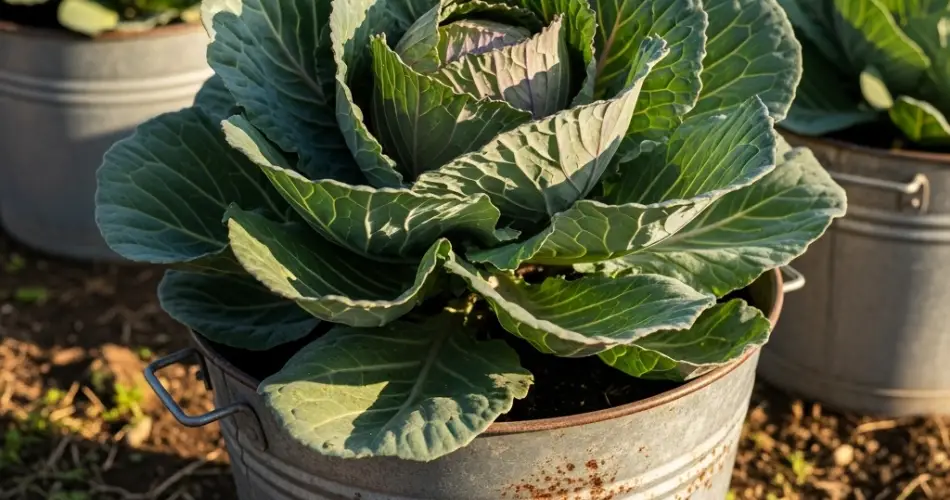
Cabbage is a nutritious, versatile vegetable enjoyed around the world in everything from salads and soups to stir-fries and pickles. Traditionally grown in open fields or large garden plots, cabbage may seem like a crop unsuited for small spaces. However, with the right approach, it thrives in containers, making it a great option for balconies, patios, and small gardens. If you want to enjoy crisp, homegrown cabbage without needing a big yard, container growing is a practical and rewarding solution.
This guide covers the best care tips for container-grown cabbage, helping you produce firm, healthy heads in limited spaces.
Choosing the Right Variety
Not all cabbage varieties grow well in pots or buckets. Compact and early-maturing types are best suited for containers. Varieties such as ‘Golden Acre,’ ‘Mini Express,’ or ‘Copenhagen Market’ form smaller heads that don’t overwhelm the limited space. Red cabbages and savoy types can also be grown in pots, but they need larger containers.
When selecting a variety, check the maturity period. Early-maturing cabbages take less time to grow and fit better into the shorter growing cycles often needed for container gardens.
Picking the Best Container
Cabbage needs room for its roots to spread, so choose containers that are at least 12–14 inches deep and wide. Buckets, fabric grow bags, or large clay pots work well. A single cabbage plant should have its own container to prevent crowding.
Drainage is critical. Drill holes at the bottom if you’re repurposing buckets, and elevate containers slightly on bricks or stands to allow excess water to escape freely.
Soil Preparation
Cabbage thrives in fertile, well-draining soil. Garden soil is too heavy for containers and can compact, suffocating roots. Instead, use a high-quality potting mix enriched with organic compost. A good blend includes:
-
Compost for nutrients
-
Coco coir or peat moss for moisture retention
-
Perlite or coarse sand for aeration
Before planting, mix in a slow-release, balanced fertilizer or well-rotted manure. Cabbage is a heavy feeder, and this nutrient boost ensures strong early growth.
Planting Cabbage in Containers
Cabbage can be started from seed or purchased as seedlings. If planting seeds, sow them about ¼ inch deep and thin to the strongest seedling once they sprout. For transplants, place one healthy seedling in the center of the container, firming the soil around its base.
Because cabbage is a cool-weather crop, timing is important. Plant in early spring or late summer when temperatures are mild. Cabbage grows best between 55°F and 75°F (13°C–24°C).
Watering and Moisture Care
Consistent moisture is key to forming firm cabbage heads. The soil should remain evenly moist but not waterlogged. Check the soil regularly by pressing your finger into the top inch; if it feels dry, water thoroughly until moisture seeps out from the drainage holes.
Mulching the surface of the soil with straw, shredded leaves, or compost helps retain moisture and keeps the soil cooler in warm conditions.
Feeding Container Cabbage
Because nutrients leach out more quickly in containers, cabbage requires regular feeding. Apply a balanced liquid fertilizer or compost tea every two to three weeks during the growing season. When heads start to form, switch to a fertilizer higher in potassium to encourage compact, dense heads.
Sunlight and Placement
Cabbage needs full sun to thrive—ideally six or more hours of direct sunlight daily. Place containers in the sunniest part of your balcony or patio. If growing in hot regions, provide partial shade during the hottest afternoon hours to prevent stress.
Pest and Disease Management
Container-grown cabbage faces fewer soil-borne problems, but pests can still be an issue:
-
Cabbage Worms and Loopers – These caterpillars chew holes in leaves. Check plants often and remove them by hand or cover plants with insect netting.
-
Aphids – Small sap-sucking insects that cluster on leaves. Wash them off with water or spray with neem oil.
-
Slugs and Snails – If your containers sit near the ground, these pests may climb in. Copper tape or diatomaceous earth around the base of the container helps deter them.
Diseases such as clubroot and black rot are less common in containers if you use fresh, sterile potting mix each season.
Harvesting Container Cabbage
Cabbage is ready to harvest when the heads feel firm and compact. Depending on the variety, this usually takes 70 to 100 days. Cut the head at the base with a sharp knife, leaving the outer leaves and root system in the soil. Sometimes smaller side heads will form after the main one is harvested, giving you a second yield.
Harvest promptly once heads are mature, as leaving them too long can cause splitting. For sweeter, more tender leaves, you may also harvest slightly smaller heads earlier.
Final Thoughts
Cabbage is a surprisingly good candidate for container gardening. By selecting compact varieties, preparing fertile soil, watering consistently, and protecting against pests, you can enjoy fresh, crisp cabbage right from your balcony or patio. Container-grown cabbage not only saves space but also offers greater control over growing conditions, making it easier to achieve healthy, flavorful harvests.
Even with limited space, these care tips ensure that you can grow your own cabbage and bring the taste of freshly picked vegetables into your kitchen.


