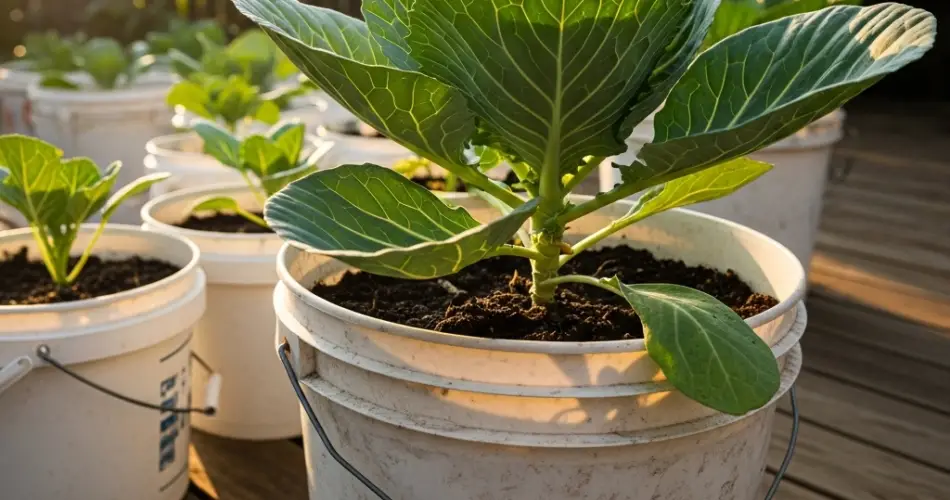
Cabbage is a versatile and nutritious vegetable that can be enjoyed in countless dishes, from fresh salads and stir-fries to soups and sauerkraut. Traditionally, cabbage is grown in garden beds because of its large heads and leafy spread. However, with the rise of urban gardening, more people are successfully growing cabbage in containers and buckets, even on small balconies. With the right care, you can harvest crisp, healthy cabbages right outside your door without needing a traditional garden plot.
Why Grow Cabbage in Buckets?
For urban dwellers with limited space, buckets provide an affordable and convenient way to grow crops. Buckets are easy to move, allowing you to place them in sunny spots and adjust their position as needed. They also help control soil quality, which is especially important in cities where ground soil may be compacted, polluted, or lacking nutrients.
Cabbage thrives in buckets because its root system adapts well to deep containers. As long as the bucket is large enough and filled with rich soil, your plants can produce full, compact heads similar to those grown in the ground.
Choosing the Right Bucket
Cabbage plants require space to grow both above and below the soil. Select buckets that are at least 5 gallons (20 liters) in size, with a depth of 12–14 inches. Each bucket should house only one cabbage plant to prevent overcrowding. Adequate drainage is essential, so drill several holes at the bottom of each container if they don’t already exist. Without good drainage, waterlogged soil can lead to root rot and other diseases.
Selecting the Right Cabbage Variety
There are many cabbage varieties, and some adapt better to containers than others. Compact or small-headed types are ideal for buckets. Consider the following:
-
Golden Acre – A compact variety that matures quickly.
-
Early Jersey Wakefield – Small, pointed heads perfect for tight spaces.
-
Mini cabbages or dwarf hybrids – Specifically bred for container gardening.
Choose a variety that fits your climate and growing season. Early varieties are best for spring planting, while late varieties can be harvested in the cooler months.
Preparing the Soil
Cabbage is a heavy feeder that requires fertile, well-draining soil. Avoid using plain garden soil, as it tends to compact in buckets. Instead, prepare a rich potting mix:
-
50% high-quality potting soil
-
30% compost or well-rotted manure for nutrients
-
10% coconut coir or peat moss to improve moisture retention
-
10% perlite or coarse sand to enhance drainage
Mix in a slow-release vegetable fertilizer before planting. Cabbage prefers slightly acidic to neutral soil with a pH between 6.0 and 6.8, so testing and adjusting the soil pH can greatly improve yields.
Planting Cabbage in Buckets
You can start cabbage from seeds or seedlings. If starting from seed, sow them indoors in small pots or seed trays 6–8 weeks before the last frost. Once seedlings develop strong roots and a few true leaves, they can be transplanted into buckets.
When planting, position the seedling in the center of the bucket and cover the root ball with soil up to the base of the leaves. Press the soil gently to eliminate air pockets, then water thoroughly.
Sunlight and Temperature Needs
Cabbage grows best in full sun, requiring at least 6–8 hours of direct sunlight daily. Buckets give you the advantage of mobility—if one area of your balcony doesn’t get enough light, you can simply move the containers.
Cabbage prefers cooler weather and grows best in temperatures between 15–21°C (60–70°F). In very hot climates, provide some afternoon shade to prevent plants from bolting.
Watering and Fertilization
Consistent watering is crucial for cabbage. Keep the soil evenly moist but not waterlogged. Buckets dry out more quickly than garden beds, so check moisture levels daily, especially in warm weather. Mulching the soil surface with straw or dried leaves helps retain moisture and prevents weeds.
Fertilize regularly to support healthy growth. Use a nitrogen-rich fertilizer during the early growth stage to encourage leafy development. As the heads begin to form, switch to a balanced fertilizer that supports overall plant health and head formation. Organic options like compost tea, fish emulsion, or seaweed extract work well for bucket-grown cabbage.
Protecting Against Pests
Cabbage can be vulnerable to pests such as cabbage worms, aphids, and slugs. In containers, pest management is easier because the plants are more accessible. Inspect leaves regularly and remove pests by hand if possible. Floating row covers or netting can protect plants from insects while still allowing sunlight and rain to pass through.
Harvesting Cabbage
Depending on the variety, cabbage heads are ready for harvest in 70–100 days. You’ll know they’re ready when the heads feel firm and compact to the touch. Use a sharp knife to cut the head at the base, leaving the outer leaves and root system in the bucket. In many cases, smaller side shoots will develop after the main head is harvested, giving you an extra mini-crop.
Freshly harvested cabbage can be stored in the refrigerator for up to two weeks. For long-term storage, it can be fermented, pickled, or shredded and frozen.
Final Thoughts
Growing cabbage in buckets is an excellent way to practice urban gardening. With the right variety, soil preparation, and care, even small balconies can produce full, healthy cabbage heads. This method not only saves space but also provides you with fresh, nutritious vegetables right outside your door.
Whether you’re a beginner gardener or an experienced grower looking to make use of limited space, balcony cabbage in buckets is a rewarding and sustainable way to enjoy homegrown food.


