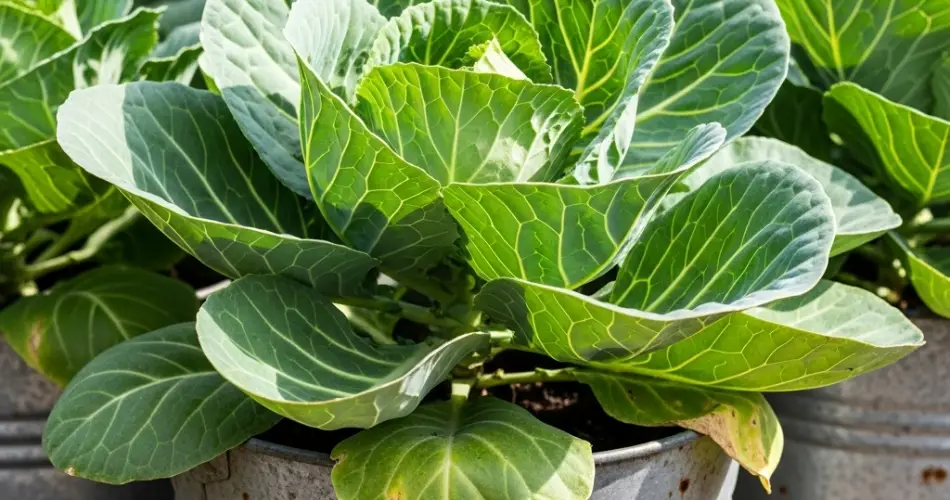
Cabbage is a cool-season vegetable packed with vitamins, fiber, and antioxidants. Known for its versatility in the kitchen, it can be eaten fresh in salads, cooked in soups and stir-fries, or preserved as sauerkraut and kimchi. Many gardeners assume cabbage needs a large garden bed to grow, but it can actually be cultivated successfully in buckets. Container growing allows even beginners with limited space—like those living in apartments or houses with small patios—to enjoy fresh, homegrown cabbage.
Why Choose Buckets for Growing Cabbage?
Buckets are one of the easiest and most affordable ways to grow vegetables at home. They are portable, making it easy to position cabbage in sunny spots or move them around to avoid extreme weather. Buckets also give you greater control over soil quality, which is important since cabbage is a heavy feeder and sensitive to poor soil conditions.
Growing in containers reduces the risk of soil-borne diseases and makes pest control more manageable. For beginners, bucket gardening is a low-maintenance, high-reward method to start producing fresh cabbage.
Choosing the Right Bucket
Cabbage develops a large root system, so it needs enough space below the soil surface. A standard 5-gallon (20-liter) bucket is the minimum size for one cabbage plant, but larger is always better if you have the space. The bucket should be 12–14 inches deep and have several drainage holes at the bottom to prevent waterlogging.
For convenience, place a saucer or tray under the bucket to catch excess water, especially if growing on a balcony.
Selecting the Best Varieties for Containers
Not all cabbage varieties are suitable for buckets. Compact or early-maturing varieties work best since they require less space and mature faster. Some good options include:
-
Golden Acre – Small, round heads that mature quickly.
-
Early Jersey Wakefield – Compact, conical heads, ideal for small spaces.
-
Mini cabbages – Specifically bred for container and urban gardening.
If you are a beginner, start with a quick-growing variety, as it will be more forgiving and provide faster results.
Preparing the Soil
Cabbage thrives in fertile, well-drained soil that retains moisture but does not become waterlogged. Regular garden soil is too heavy for buckets, so prepare a container mix designed for vegetables. A reliable recipe includes:
-
50% quality potting mix
-
30% compost or aged manure for organic matter and nutrients
-
10% coconut coir or peat moss to help retain moisture
-
10% perlite or coarse sand for drainage and aeration
Cabbage prefers a slightly acidic to neutral soil pH of 6.0–6.8. You can check soil pH with a simple home test kit. If the soil is too acidic, add garden lime; if it is too alkaline, add sulfur to balance it.
Planting Cabbage in Buckets
Cabbage can be started from seeds or seedlings. If you’re starting from seed, sow them indoors 6–8 weeks before the last frost date. Once seedlings grow two to four true leaves and are about 4–6 inches tall, they are ready for transplanting.
When planting, place one seedling per bucket in the center, burying the root ball so the base of the plant is level with the soil surface. Water thoroughly after planting to help the roots settle in.
Light and Temperature Needs
Cabbage grows best in full sun, requiring at least 6–8 hours of direct sunlight daily. Buckets allow you to move plants into sunnier areas if your space receives limited light.
Because cabbage is a cool-weather crop, it grows best in temperatures between 60–70°F (15–21°C). If you live in a hot climate, grow cabbage in early spring or fall to avoid heat stress. In summer, provide some afternoon shade to keep plants cool.
Watering and Fertilization
Consistent watering is crucial for cabbage, as uneven moisture can cause the heads to split. Keep the soil evenly moist by watering deeply whenever the top inch feels dry. Buckets dry out faster than garden beds, so check soil moisture daily. Mulching with straw or shredded leaves helps retain water and keeps the soil cool.
Cabbage is a heavy feeder and benefits from regular fertilization. Use a nitrogen-rich fertilizer during the early growth stage to encourage leafy development. Once heads begin to form, switch to a balanced fertilizer to support both growth and compact head formation. Organic fertilizers like compost tea, fish emulsion, or seaweed extract work very well in buckets.
Pest and Disease Control
Cabbage is prone to pests like cabbage worms, aphids, and slugs. Since bucket gardens are smaller and easier to monitor, inspect plants regularly. Handpick pests when possible or use organic sprays like neem oil if infestations occur. Floating row covers are also an effective way to protect young plants from insect damage.
Harvesting Your Cabbage
Most cabbage varieties take 70–100 days to mature. The heads are ready for harvest when they feel firm and dense. Use a sharp knife to cut the head at the base, leaving the outer leaves and stem in place. In many cases, small side shoots will develop and produce smaller “mini heads” after the main harvest, extending your crop.
Freshly harvested cabbage can be stored in the refrigerator for up to two weeks. For longer storage, consider fermenting or pickling.
Final Thoughts
Growing cabbage in buckets is a simple and rewarding way for beginners to start container gardening. With the right soil, bucket size, and care, you can enjoy healthy cabbage harvests even on a small balcony or patio. From seed to harvest, this method makes fresh, homegrown food accessible to anyone—no large garden required.
For new gardeners, cabbage in buckets is a great project to learn the basics of soil preparation, watering, fertilization, and pest management while enjoying the satisfaction of harvesting your own nutritious vegetables.


