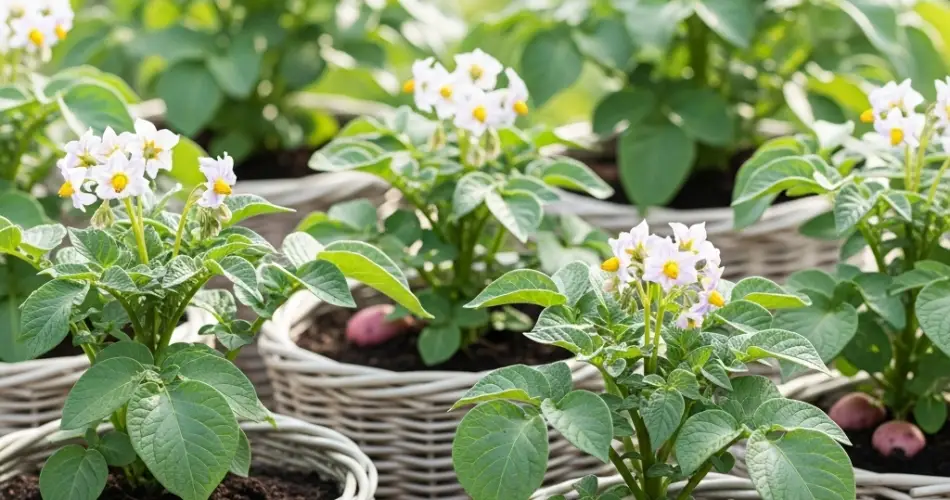
Potatoes are among the easiest and most rewarding crops to grow, and surprisingly, they adapt beautifully to container gardening. If you don’t have a large backyard, growing potatoes in woven baskets offers a space-efficient, charming, and practical alternative. With the right care, a simple basket on your balcony, patio, or even doorstep can produce a bountiful harvest of fresh, homegrown tubers.
This guide explores the best tips to care for basket-grown potatoes, covering everything from watering routines to pest management so that you can enjoy a successful harvest.
Choosing the Right Basket
The foundation of healthy potato plants begins with the right container. Woven baskets are ideal because they provide excellent drainage and airflow. However, a few considerations make them more effective:
-
Size: Potatoes need depth to form tubers. Choose a basket at least 16–18 inches deep and wide.
-
Strength: Make sure the basket is sturdy enough to handle the weight of soil, water, and growing plants.
-
Lining: To keep soil from spilling through the weave, line the basket with burlap, coconut coir, or landscape fabric. This allows water to drain while retaining soil.
Preparing the Soil
Potatoes thrive in loose, nutrient-rich soil that allows their tubers to expand without resistance. In baskets, where soil volume is limited, quality is especially important.
-
Base mix: Use a light potting soil rather than heavy garden dirt.
-
Nutrients: Blend in well-rotted compost for organic fertility.
-
Drainage: Add sand or perlite to ensure excess water drains away.
Avoid fresh manure, as it can cause scabby potatoes. A balanced, fluffy soil structure is the secret to smooth, healthy tubers.
Planting for Success
-
Fill the basket: Add 6 inches of soil to the bottom of the lined basket.
-
Place seed potatoes: Position seed potatoes (small tubers or cut pieces with eyes) 6–8 inches apart.
-
Cover: Add 3–4 inches of soil to cover them.
-
Hill as they grow: As potato plants sprout and reach 6–8 inches tall, continue covering the stems with soil until the basket is nearly full. This process, known as “hilling,” encourages more tubers to form along the buried stems.
Watering Guidelines
One of the most critical aspects of potato care in baskets is proper watering. Since baskets dry out more quickly than garden beds, consistent moisture is vital.
-
Frequency: Water regularly, especially in warm weather. Daily watering may be needed during peak summer.
-
Method: Water gently and evenly, soaking the soil without creating soggy conditions.
-
Moisture check: Insert your finger a couple of inches into the soil—if it feels dry, it’s time to water.
Even moisture is key; irregular watering can cause issues like cracked potatoes.
Fertilizing for Growth
Because basket soil has limited nutrients, supplemental feeding helps potatoes thrive.
-
Balanced fertilizer: Use a potassium-rich fertilizer every 2–3 weeks during the growing season. Potassium promotes strong tuber development.
-
Avoid nitrogen-heavy feeds: These encourage leafy growth but reduce tuber yield.
-
Organic option: Compost tea or diluted fish emulsion provides a gentle nutrient boost without overwhelming the plants.
Sunlight and Placement
Potatoes need plenty of sunlight to grow vigorously. Place baskets where they receive 6–8 hours of direct light daily. If growing on a balcony or patio, rotate baskets occasionally to ensure even light exposure on all sides.
If the summer sun is extremely harsh, consider shading the plants during the hottest part of the day to prevent the foliage from burning.
Pest and Disease Prevention
While baskets naturally reduce some pest risks, potatoes still face common threats.
-
Aphids and beetles: Check leaves regularly and remove pests by hand or with a gentle spray of soapy water.
-
Fungal issues: Ensure good airflow around the basket and avoid overhead watering to reduce fungal diseases like blight.
-
Crop rotation in containers: Avoid reusing the same soil or basket liner for potatoes year after year. Rotate with other crops to reduce disease build-up.
Harvesting Made Simple
The joy of growing potatoes in baskets is the ease of harvesting. Depending on the variety, new potatoes may be ready in 10–12 weeks, while full-sized tubers take 15–20 weeks.
To harvest:
-
Wait for the foliage to yellow and die back.
-
Tip the basket over onto a tarp or container.
-
Gently sift through the soil to collect the tubers.
This simple process eliminates the need for digging and ensures that none of the potatoes are accidentally damaged.
Extra Tips for Success
-
Stagger planting: Start multiple baskets at different times to enjoy a continuous potato harvest.
-
Monitor weight: Large baskets can become heavy when full of soil and water. Place them on rolling plant stands for easy mobility.
-
Store wisely: After harvesting, cure potatoes in a cool, dark place for 1–2 weeks before storage to improve shelf life.
Conclusion
Basket-grown potatoes are proof that you don’t need a large garden to enjoy one of the world’s most beloved vegetables. With the right basket, quality soil, consistent watering, and a little attention to pests and feeding, your compact container can produce a surprisingly abundant harvest.
This method is not only practical for small-space gardeners but also offers a charming and decorative way to grow food at home. With these care tips, you can look forward to healthy plants, rich harvests, and the simple pleasure of digging into your very own basket of fresh potatoes.


