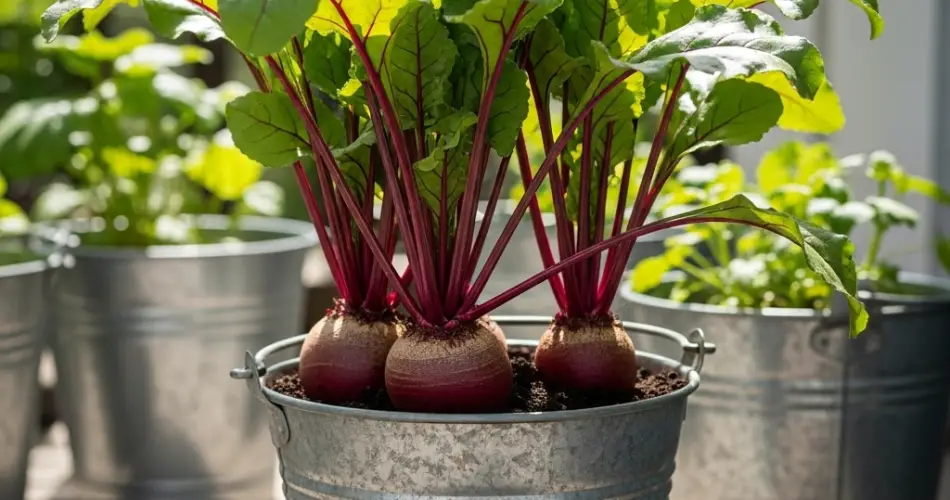
Beetroots are nutrient-rich, versatile vegetables that are perfect for small-space gardening. Their vibrant color, earthy flavor, and health benefits make them a popular choice among home gardeners. For those with limited space, growing beetroots in buckets offers a practical and productive solution. Container gardening allows for precise control over soil, water, and sunlight, making it possible to cultivate healthy roots even on balconies, patios, or compact yards. With the right techniques, you can enjoy fresh, homegrown beets throughout the season.
Why Grow Beetroots in Buckets?
Bucket gardening provides numerous advantages for cultivating beetroots. Beets thrive in loose, fertile soil, and buckets allow you to create optimal soil conditions without worrying about poor garden soil or pests. Containers also make it easy to control drainage, prevent soil compaction, and move plants to catch sunlight or avoid harsh weather. For gardeners with limited outdoor space, bucket-grown beets maximize productivity in a small area while simplifying care and maintenance.
Choosing the Right Buckets
Selecting an appropriate bucket is the first step toward successful beet cultivation. Beetroots develop deep taproots, so containers should be at least 10–12 inches deep. A diameter of 12 inches or more per bucket is ideal to accommodate multiple plants while ensuring sufficient room for roots to expand. Plastic or food-grade buckets are lightweight and portable, while clay or ceramic pots provide stability. Make sure the bucket has adequate drainage holes at the bottom to prevent waterlogging, which can cause root rot and affect the quality of the beets.
Preparing the Soil Mix
Beets require well-draining, nutrient-rich soil to develop healthy roots and foliage. A well-balanced bucket soil mix supports root expansion, retains moisture, and promotes vigorous growth. A recommended mix includes:
-
50% loamy garden soil or topsoil: Provides structure and essential minerals.
-
30% compost or well-rotted organic matter: Enhances fertility, improves moisture retention, and supports beneficial microbes.
-
20% perlite, coarse sand, or vermiculite: Improves drainage and prevents soil compaction.
Mix all components thoroughly and lightly moisten the soil before planting. Avoid heavy clay soils that retain excess water, as this can hinder root development and reduce yield.
Planting Beetroots
Beets can be grown from seeds or seedlings. For seeds, plant them about ½ inch deep and 1–2 inches apart. Once seedlings emerge, thin them to 3–4 inches apart to give roots enough room to grow. For container setups with multiple plants, spacing is crucial to prevent overcrowding and allow adequate airflow. Place seeds or seedlings evenly across the bucket, and gently firm the soil around them to encourage good root-to-soil contact.
Sunlight and Growing Conditions
Beetroots thrive in full sun, ideally receiving six hours or more of direct sunlight daily. They tolerate partial shade, but insufficient light can slow growth and reduce root size. Buckets allow you to move plants as needed to catch sunlight or protect them from extreme heat. Beets prefer cooler temperatures for optimal root development, so early spring or fall plantings are often most successful.
Watering and Mulching
Consistent moisture is essential for healthy beet growth. Container soil dries out faster than garden soil, so check moisture levels regularly. Water deeply to keep the soil evenly damp but not waterlogged. Mulching the surface with straw or shredded leaves helps retain moisture, regulate soil temperature, and reduce weed growth. Proper watering and mulching encourage strong root development and tender, flavorful beets.
Fertilization and Nutrient Management
Beets benefit from a nutrient-rich growing environment. Incorporate slow-release organic fertilizer or compost into the soil at planting. During the growing season, supplement with liquid fertilizer or compost tea every two to three weeks to maintain nutrient levels. Avoid excessive nitrogen, which promotes leafy growth at the expense of root development. Adequate phosphorus and potassium are particularly important for producing large, healthy roots.
Pest and Disease Management
Container-grown beets are generally less susceptible to pests and diseases than in-ground crops. However, occasional problems may occur, such as aphids, leaf miners, or fungal infections. Inspect plants regularly, remove damaged foliage, and use organic solutions like neem oil or insecticidal soap if needed. Good spacing, well-draining soil, and proper air circulation reduce the likelihood of most issues.
Harvesting Beetroots
Beets are typically ready to harvest 50–70 days after planting, depending on the variety. Harvest roots when they reach 1–3 inches in diameter for the best flavor and texture. You can also harvest beet greens while waiting for roots to mature, providing fresh, nutritious greens for salads or cooking. Frequent harvesting encourages continued growth and maximizes productivity in container setups.
Conclusion
Growing beetroots in buckets is an effective way to enjoy fresh, homegrown produce in small spaces. By selecting suitable containers, preparing nutrient-rich, well-draining soil, and providing consistent care—including sunlight, watering, and fertilization—gardeners can cultivate healthy roots from seed to harvest. Container gardening allows flexibility, convenience, and control over growing conditions, making it possible to enjoy delicious, nutritious beets even in limited-space settings. With attention to detail and proper care, your small-space beet garden can thrive and provide a continuous supply of vibrant, flavorful produce.


