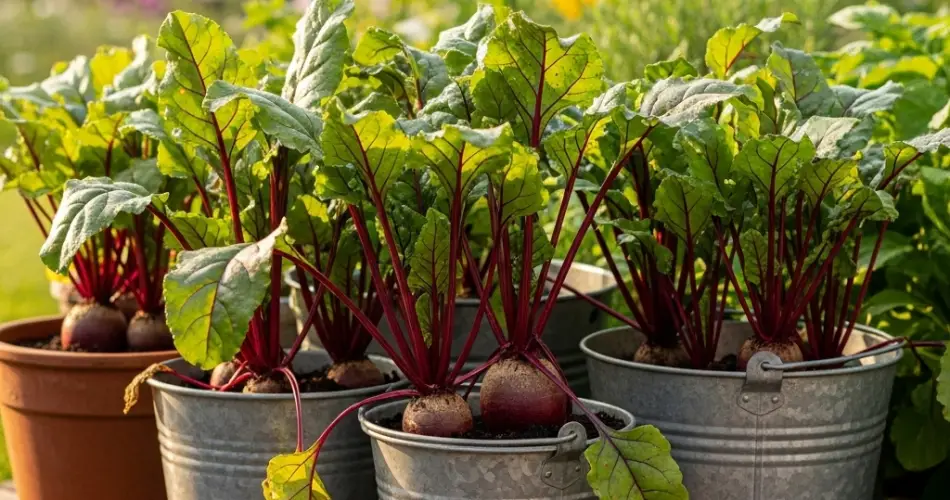
Beetroots are a nutrient-packed, versatile vegetable that adds color, flavor, and health benefits to any diet. Rich in vitamins, minerals, and antioxidants, beetroots are ideal for salads, juices, roasting, and soups. For home gardeners with limited space, container gardening offers a practical solution for growing fresh beetroots year-round. Using containers allows for better control over soil quality, moisture, and sunlight, ensuring healthy growth and an abundant harvest. Here’s a step-by-step guide to growing beetroots successfully in containers.
Why Container Gardening Works for Beetroots
Beetroots are well-suited to container gardening because their roots develop vertically and require loose, well-draining soil. Growing beets in containers gives you the ability to optimize soil composition, prevent waterlogging, and monitor nutrient levels. This method is particularly beneficial for urban gardeners, apartment dwellers, or anyone without access to a traditional garden plot. Containers also make harvesting easier and reduce exposure to pests and diseases.
Choosing the Right Beetroot Variety
Beetroot varieties differ in size, color, and growth habit. For container gardening, select small to medium-sized varieties such as “Detroit Dark Red,” “Boltardy,” or “Baby Beet” that produce tender roots suitable for shallow containers. Baby beet varieties are especially good for continuous harvesting and small spaces. Selecting the right variety ensures manageable growth while maintaining high-quality, flavorful roots.
Selecting and Preparing Containers
Choose containers that are at least 12 inches deep to accommodate the beetroot’s roots. Wide pots or rectangular planters are ideal for growing multiple plants in one container. Ensure proper drainage by drilling several holes at the bottom, and consider adding a thin layer of gravel or small stones to improve drainage. Clean containers thoroughly before planting to reduce the risk of introducing diseases.
Soil Preparation
Beetroots thrive in nutrient-rich, well-draining soil with a slightly acidic to neutral pH of 6.0–7.0. Fill your container with a high-quality potting mix blended with compost or well-rotted organic matter. Compost enriches the soil, improves water retention, and provides essential nutrients for root development. Adding perlite or sand enhances drainage and prevents soil compaction, which is crucial for growing smooth, round beets. Avoid heavy garden soil, which may restrict root growth.
Planting Beetroots
Beets can be grown from seeds or transplants. Sow seeds about ½ to 1 inch deep and space them 2–3 inches apart. Thin seedlings once they develop two true leaves, leaving 3–4 inches of space between plants to allow for proper root expansion. Water gently after planting to settle the soil around the seeds. Beets generally germinate within 7–14 days under ideal conditions, producing healthy seedlings that can thrive in containers.
Sunlight Requirements
Beetroots require full sun for optimal growth, ideally six hours per day. Place your containers in a sunny location on a balcony, patio, or terrace. In warmer climates, partial afternoon shade can prevent leaves from scorching while maintaining healthy growth. Adequate sunlight ensures strong stems, vibrant leaves, and well-developed roots.
Watering and Care
Consistent moisture is key to successful beetroot growth. Keep the soil evenly moist but not waterlogged. Water deeply whenever the top inch of soil feels dry, ensuring water reaches the root zone. Mulching with straw or shredded leaves helps retain moisture, regulate soil temperature, and suppress weeds. Regularly remove yellowing or damaged leaves to maintain plant health and reduce disease risk.
Fertilization
Beetroots benefit from balanced nutrition throughout their growth cycle. Use a slow-release fertilizer or liquid compost tea every two to three weeks to support root and leaf development. Avoid excessive nitrogen fertilization, which promotes leafy growth at the expense of root formation. Proper feeding ensures strong, round roots and vibrant, healthy leaves.
Harvesting Beetroots
Beets are usually ready for harvest within 50–70 days, depending on the variety. Baby beets can be harvested when roots are about 1–2 inches in diameter, while mature roots are typically 2–3 inches. Gently lift the roots from the soil, taking care not to damage them. Leaves can also be harvested for greens, providing an additional nutritious crop. Continuous harvesting of smaller roots encourages the plants to produce more over the growing season.
Advantages of Container Beetroot Gardening
Growing beetroots in containers maximizes limited space, allows for easy monitoring of soil and water, and simplifies pest management. Containers are portable, enabling gardeners to move them for optimal sunlight or protect them from harsh weather. Container-grown beets are easy to harvest, clean, and enjoy immediately in a variety of dishes.
Conclusion
Container gardening makes growing beetroots at home both practical and rewarding. By selecting the right variety, preparing nutrient-rich soil, providing adequate sunlight, and maintaining consistent watering and fertilization, you can enjoy fresh, nutritious beetroots year-round. Container-grown beets are not only convenient and space-efficient but also add a vibrant, healthy option to your home kitchen, enhancing meals with fresh flavor and nutritional benefits.


