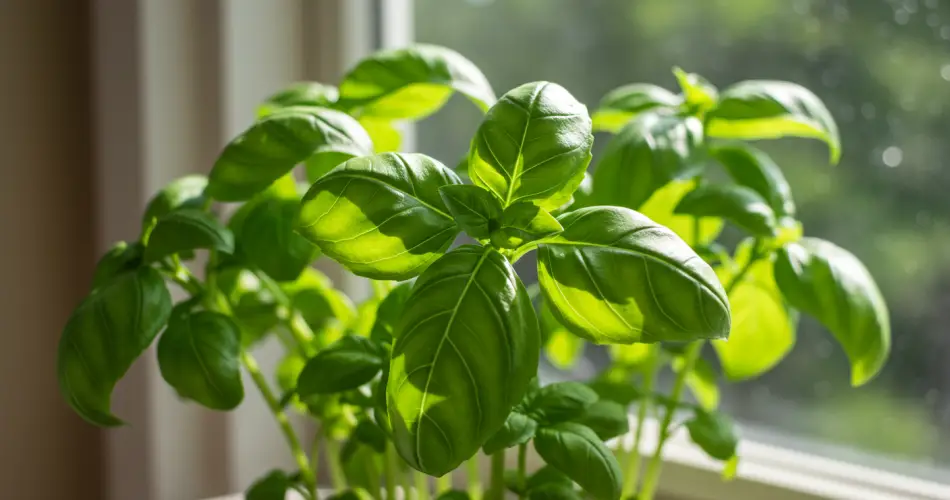
Basil is one of the most popular and versatile herbs that many people choose to grow at home, whether on a balcony, in a garden, or in a kitchen windowsill. Caring for basil does not require expert gardening skills, but paying attention to a few key details can make a big difference in ensuring your plant thrives. From proper watering and sunlight to the ideal pot and placement, these simple practices will help your basil stay healthy and flavorful for a long time.
Why Basil Is So Popular
Basil is much more than just a culinary herb. Its leaves are prized for their aromatic qualities and play a crucial role in countless dishes, from fresh salads to pasta sauces. One of the most famous recipes that showcase basil is the traditional Pesto Genovese, where it is combined with pine nuts, garlic, Parmesan cheese, and olive oil. Using fresh basil in recipes can elevate the flavor and freshness of your meals, adding that unmistakable aromatic touch.
Beyond its culinary uses, basil also offers a variety of health benefits. It is known for its anti-inflammatory and antibacterial properties, which can aid digestion, stimulate appetite, and even help relieve anxiety and stress. Many people use basil not only as a flavoring herb but also as part of herbal remedies or natural wellness practices.
Choosing the Right Spot for Your Basil
To ensure a long life for your basil plant, placement is key. Basil thrives in sunlight but cannot tolerate constant direct exposure. Too much sun can cause the leaves to dry out and turn brown. At the same time, basil is sensitive to cold temperatures and cannot survive prolonged exposure to frost. The ideal solution is to find a location that balances light and protection: a spot that is bright but partially shaded, sheltered from strong winds, and shielded from extreme cold.
A sunny windowsill or a balcony with morning sun and afternoon shade can be perfect. The goal is to provide enough indirect light to stimulate growth without damaging the leaves. If you live in a colder climate, consider moving your basil indoors during the winter months or using a greenhouse or protective cover to maintain optimal temperature.
The Right Pot and Soil
Choosing the right pot is another important factor for healthy basil. The container should be wide and shallow rather than tall and narrow, which allows the soil to stay evenly moist without waterlogging. Basil does not tolerate stagnant water, which can lead to root rot and stunted growth.
Well-draining soil enriched with organic matter is ideal. Adding compost or a small amount of natural fertilizer can promote strong growth and healthy leaves. When potting basil, ensure there are drainage holes at the bottom of the container to prevent water accumulation.
Watering Your Basil
Basil needs regular watering to thrive, but it is essential to avoid overwatering. The soil should remain slightly moist, not soggy. Watering is best done in the morning, which allows the leaves to dry during the day, reducing the risk of fungal diseases. Use a gentle watering method to avoid washing away the soil or damaging the roots.
Daily attention is recommended, especially during hot or dry weather. However, always check the soil before adding water; if it still feels damp, it’s better to wait a few hours. Overwatering or letting water pool at the base of the plant is one of the most common causes of basil decline.
Regular Maintenance
Even with careful placement, watering, and soil management, basil may sometimes show signs of stress. Leaves may wilt, yellow, or develop spots. To maintain the health of your plant, it is important to remove any damaged or diseased leaves immediately. This practice prevents the spread of disease and ensures that the remaining foliage continues to grow vigorously.
Pruning is also beneficial for encouraging bushier growth. Regularly pinch off the tips of the stems to prevent flowering, which can make the leaves taste bitter. By trimming your basil, you also promote the development of new shoots, resulting in a fuller, healthier plant.
Harvesting Basil
One of the joys of growing basil at home is the ability to harvest fresh leaves whenever you need them. Pick leaves carefully, starting from the top, to encourage further growth. Always wash leaves before using them in recipes to remove dust or impurities. Freshly harvested basil retains its aromatic flavor much better than store-bought varieties and can be used immediately in cooking, making teas, or even as a garnish.
Additional Tips for Thriving Basil
-
Rotate the pot occasionally to ensure even light exposure on all sides of the plant.
-
Avoid placing basil near cold drafts, air conditioning vents, or heaters, as extreme temperature changes can stress the plant.
-
Use natural fertilizers like compost tea or diluted organic plant food to boost growth if needed.
-
Consider companion planting with tomatoes or other herbs, as basil can help deter certain pests naturally.
Conclusion
Growing basil at home is a rewarding experience that combines practicality with a touch of nature in your living space. With proper attention to sunlight, watering, pot selection, and maintenance, even beginners can cultivate a thriving basil plant. Not only will you have fresh leaves at your fingertips for cooking, but you will also enjoy the numerous health benefits and the satisfaction of nurturing a living herb.
By following these simple tips, your basil plant can remain lush, fragrant, and productive throughout the seasons, providing endless opportunities for culinary and medicinal use. With a little care and patience, this humble herb can become a centerpiece of your home garden or kitchen.