Cleaning the oven is often one of the most dreaded household chores. It can be time-consuming, messy, and physically demanding, yet maintaining a clean oven is essential for both hygiene and efficiency. Fortunately, there is a simple method that allows you to clean your oven more quickly, without resorting to harsh chemical cleaners or spending hours scrubbing.
Why Oven Cleaning Is Important
Among household appliances, the oven is undoubtedly one of the most frequently used. It plays a central role in preparing meals for family and friends, from baking savory dishes to roasting vegetables and meats. However, recent economic challenges have caused many families to use their ovens less frequently. Rising electricity and gas bills have forced households to rethink their routines, and cutting back on oven usage has become a common strategy to reduce energy expenses.
Despite this, it’s important to remember that a clean oven is not only more hygienic but also more energy-efficient. A buildup of grease, food residue, and carbonized crumbs can significantly reduce an oven’s performance, making it consume more energy and cook food unevenly. Regular maintenance ensures that the appliance works optimally and can even help reduce energy bills over time.
A Simple Oven Cleaning Trick That Works
Cleaning an oven can seem daunting, especially if it has accumulated stubborn stains and baked-on food over time. However, there is a surprisingly simple and natural method that allows you to clean the oven effectively, quickly, and without expensive chemical products. This method uses ingredients you likely already have at home: white vinegar and hot water.
To prepare this cleaning solution, you will need:
-
About 100 milliliters of white vinegar
-
Approximately one liter of boiling water
-
A clean cloth or sponge
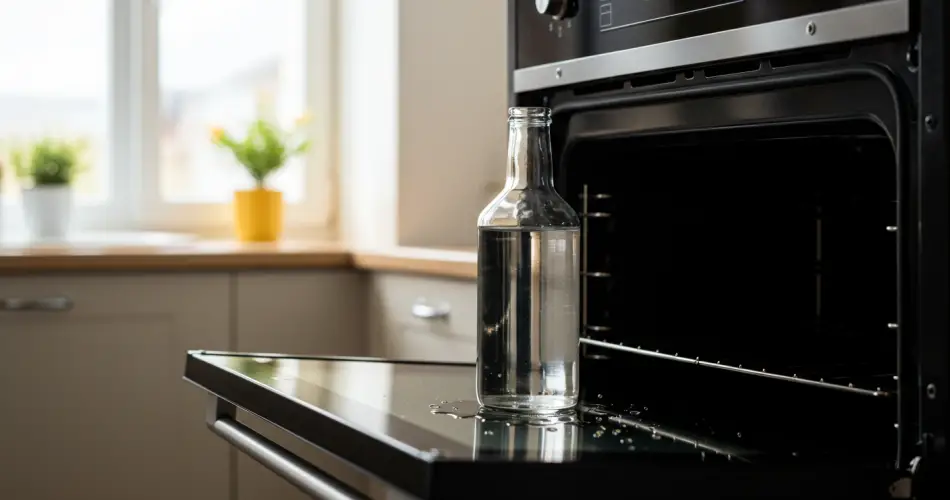
Start by mixing the vinegar and hot water in a heatproof container. Then, place the container inside the oven and let it sit for about 15 to 20 minutes. The combination of heat and vinegar helps loosen grease and food residue, making it easier to wipe away. If your oven is heavily soiled, you can leave the solution inside for several hours or even overnight. This extended soaking period allows even the most stubborn grime to soften and makes cleaning much less labor-intensive.
Step-by-Step Cleaning Process
-
Clean the Glass Door:
Once the soaking period is over, carefully remove the container from the oven. Start by wiping down the oven’s glass door with a clean cloth. You will immediately notice how much easier it is to remove grease and stains, thanks to the vinegar’s natural cleaning power. -
Clean the Oven Interior:
Next, focus on the inside of the oven. Use a clean sponge, optionally dampened with the vinegar solution, to wipe down the walls and the bottom of the oven. For tough spots, a gentle circular motion helps lift baked-on residues without damaging the surface. Avoid using harsh chemical cleaners, which can leave residues that are difficult to remove and may negatively impact the taste of food. -
Repeat if Necessary:
The number of passes needed depends on the level of dirt in your oven. Light stains may come off with just one wipe, while stubborn grime might require two or three attempts. Remember to always perform the cleaning with the oven turned off and completely cool to prevent burns or accidents. -
Final Wipe:
After removing all the grime, give the oven one final wipe with a dry cloth. This helps remove any remaining moisture and ensures the interior is ready for immediate use.
The Benefits of a Clean Oven
Keeping your oven clean offers several advantages beyond aesthetics. A clean oven is more efficient, meaning it heats up faster and cooks food more evenly. This efficiency translates into lower energy consumption, which is particularly important in times of rising utility costs. In other words, regular oven maintenance is both a practical and economical habit.
Moreover, cooking in a clean oven improves food hygiene. Old food residues can harbor bacteria and unpleasant odors, which can affect the taste and safety of your meals. By cleaning your oven regularly, you create a healthier cooking environment for your family.
Tips for Maintaining a Cleaner Oven
-
Wipe Spills Immediately: Cleaning small spills as they happen prevents them from baking onto the oven surfaces and reduces the need for deep cleaning sessions.
-
Use Oven Liners: Heat-resistant oven liners can catch drips and crumbs, making cleaning faster and easier.
-
Avoid Harsh Chemicals: Vinegar, baking soda, and warm water are sufficient for most cleaning tasks. Harsh chemicals can be unnecessary and potentially harmful.
-
Regular Maintenance: Even if the oven is used less frequently, schedule regular cleanings to prevent grease buildup and maintain efficiency.
Conclusion
Cleaning your oven doesn’t have to be a dreaded, time-consuming task. By using a simple mixture of vinegar and hot water, you can tackle grease, crumbs, and baked-on food effectively and naturally. Regular maintenance keeps the oven hygienic, ensures optimal energy efficiency, and makes cooking more enjoyable.
With this straightforward method, you can keep your oven sparkling clean without spending hours scrubbing or using costly chemical cleaners. A clean oven not only looks better but also works better, allowing you to cook delicious meals efficiently while keeping energy consumption in check. By adopting this method, oven cleaning becomes a simple, manageable, and even satisfying part of your regular household routine.