Wine corks are small, everyday items that often end up discarded without a second thought. Yet these humble objects can have a surprising impact on the environment and offer numerous creative uses in our daily lives. Beyond their traditional role sealing bottles, corks can be repurposed in innovative ways that are both eco-friendly and practical. One of the most unexpected methods is burning them, which opens up a world of possibilities for sustainable use.
Cork Candles: A Unique Lighting Option
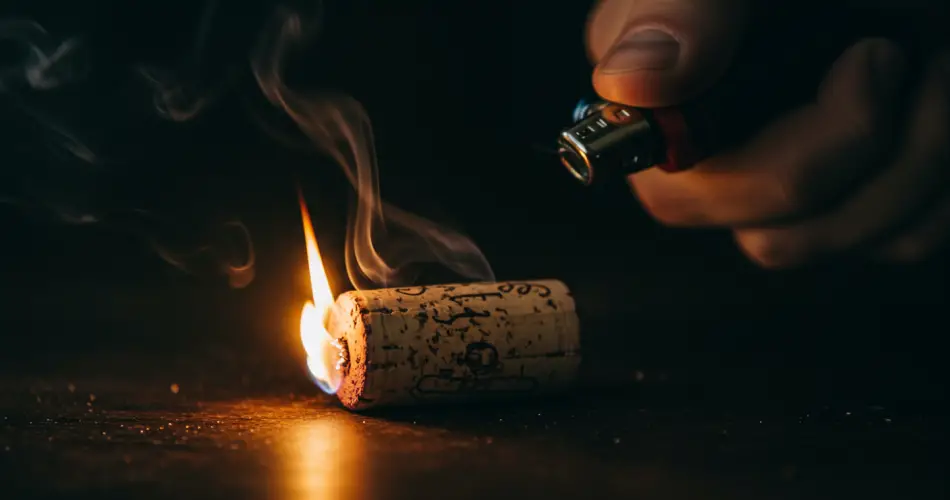
One of the most fascinating ways to use a wine cork is to turn it into a candle. Creating a cork candle is simple, environmentally friendly, and results in a charming, original piece that can impress guests. To make a cork candle, soak the cork in alcohol for 24 hours. After this period, place the cork in any small candle holder and light it. The cork will burn slowly, providing a surprisingly long-lasting source of light.
This method not only allows you to enjoy a unique candle but also offers a way to dispose of corks sustainably. Unlike many synthetic materials, burning cork does not release harmful gases or toxins into the air. It produces minimal ash and leaves little residue, making it a cleaner alternative for eco-conscious households.
Cork as a Natural Water Filter
Another surprising application of burned cork is its use as a natural water filter. By lightly burning or grinding corks into a fine powder, you can create an effective filtering agent. This technique has historical roots, as cork has been used for centuries in various parts of the world to purify water. It helps remove impurities and can improve the overall quality of drinking water.
Incorporating Burned Cork into Paints and Fertilizers
Burned cork can also serve as a valuable material in other eco-friendly applications. In paint production, crushed cork acts as a natural filler, reducing the need for synthetic substances. This can result in more environmentally sustainable paints that maintain durability while limiting chemical usage.
Additionally, cork ash makes an excellent natural fertilizer. Once burned and crumbled, the cork can be applied to soil to enhance its nutrient content. Cork contains minerals and organic compounds that support plant growth, making it a beneficial addition to gardens, potted plants, or even compost.
Other Creative Cork Uses Around the Home
Beyond burning, wine corks can be repurposed in countless ways to make daily life easier and more organized. In the kitchen, a cork can act as a makeshift heat guard. By inserting a cork into the handle of a hot pot lid, you can lift it safely without burning your fingers.
Corks can also be turned into furniture protectors. Cut the bottom of a cork to the desired thickness and attach adhesive to one side to create custom furniture pads. These protect floors from scratches and help level uneven furniture.
Organizing Cables and Headphones
A small but ingenious use for wine corks is to prevent headphone cords and small cables from tangling. By drilling two small holes on either side of a cork and threading an elastic band through them, you can create a simple, reusable cable organizer. This trick keeps cords neatly wound and prevents frustrating tangles.
Cork as Decor and Accessories
Wine corks are also versatile for decorative projects. They can be transformed into unique photo holders by cutting a slit into the top of the cork to hold pictures. Similarly, corks can be made into floating keychains for boating or water sports, thanks to their natural buoyancy. These projects are easy to make, fun, and provide practical solutions while reusing materials that might otherwise be thrown away.
Cork Gardening Helpers
In the garden, corks can serve multiple purposes. They can act as plant markers by writing plant names on them and placing them on sticks. Crushed cork also works as mulch to improve soil aeration and retain moisture. Their natural composition benefits plants while reducing waste.
Sustainable Crafting and Lifestyle
The possibilities for reusing wine corks are virtually limitless. From practical household tools to creative craft projects, corks provide sustainable alternatives that reduce waste and contribute to an eco-friendly lifestyle. Their natural properties make them safe, versatile, and easy to work with, ensuring that every cork can have a second life.
In conclusion, tossing out wine corks is a missed opportunity. With a little creativity, these small items can serve a range of purposes—burned for candles or fertilizer, repurposed as water filters, organizers, or decorative pieces, or used in gardening and crafts. By rethinking the role of cork in our lives, we can reduce waste, embrace sustainability, and discover practical and imaginative ways to use a material that is often overlooked.
Saving wine corks is not just about conserving resources; it’s about exploring their potential in ways that are both fun and environmentally responsible. The next time you open a bottle, don’t discard the cork—think of it as a tiny powerhouse for creativity and sustainability.