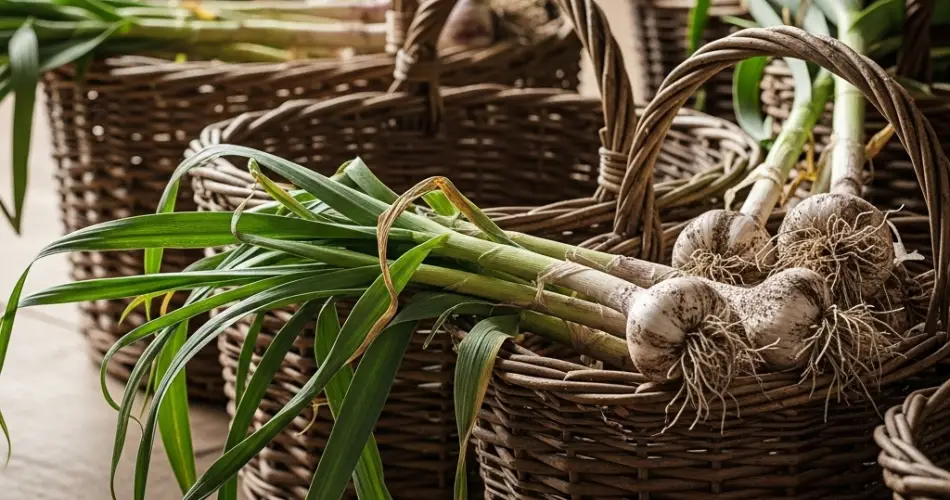
Growing garlic doesn’t require sprawling garden plots or acres of farmland. With a little creativity, you can cultivate this flavorful and health-boosting crop even in compact spaces like balconies. One of the most effective and attractive methods is planting garlic in hanging baskets. This approach not only saves floor space but also adds a touch of greenery and rustic charm to your outdoor area. Whether you are a beginner or an experienced gardener, hanging baskets offer a practical way to achieve garlic-growing success right outside your door.
Why Garlic Works Well in Hanging Baskets
Garlic is one of the easiest vegetables to adapt to container growing, and hanging baskets are an excellent choice for limited-space gardeners. They provide:
-
Efficient use of space: Hanging baskets free up balcony floor areas for other plants or furniture.
-
Excellent drainage: The natural airflow and design of baskets prevent waterlogging, which is a common issue in standard pots.
-
Mobility: Baskets can be moved to follow sunlight or brought under cover in case of harsh weather.
-
Aesthetic appeal: Hanging greenery adds visual interest while being functional.
Garlic, with its compact growth habit and modest soil requirements, thrives in this setup when provided with the right conditions.
Choosing the Right Basket
The success of garlic in hanging baskets starts with selecting the correct container.
-
Size: A basket at least 12 inches wide and 8–10 inches deep is ideal, giving each clove room to form a healthy bulb.
-
Material: Woven baskets, wire frames lined with coir or moss, or sturdy plastic models can all work. The key is durability and good drainage.
-
Liner: If using wire baskets, line them with coconut fiber, burlap, or landscape fabric to hold soil while allowing water to escape.
Make sure the basket is strong enough to handle the weight of moist soil without sagging or tearing.
Preparing the Soil
Garlic prefers loose, fertile soil with excellent drainage. In the confined space of a basket, soil quality becomes even more important.
-
Base mix: Combine 2 parts high-quality potting soil with 1 part compost.
-
Aeration: Add 1 part perlite or coarse sand to improve drainage and keep roots from becoming waterlogged.
-
Nutrients: Mix in a small handful of organic bone meal or slow-release fertilizer to support root development.
The goal is to provide a rich yet well-draining growing medium that can sustain garlic over several months.
Selecting the Best Garlic
Not all garlic is created equal when it comes to container gardening.
-
Hardneck varieties grow well in cooler climates and produce flavorful scapes in addition to bulbs.
-
Softneck varieties adapt better to milder climates and are known for their longer storage life.
Choose firm, healthy bulbs from a garden center or seed supplier rather than grocery store garlic, which is often treated to prevent sprouting. Break bulbs into individual cloves just before planting, keeping the papery skins intact. Select the largest cloves for planting, as they develop into the biggest bulbs.
Planting Step by Step
-
Fill the basket with your prepared soil, leaving about 1–2 inches of space at the top.
-
Position the cloves with the flat side down and pointed tip up.
-
Spacing: Leave about 4–6 inches between cloves to allow bulbs to expand. In a 12-inch basket, you can usually plant 4–5 cloves.
-
Depth: Place each clove about 2 inches below the soil surface.
-
Water lightly after planting to settle the soil around the cloves.
Sunlight and Temperature Needs
Garlic needs plenty of light to develop strong roots and full bulbs.
-
Sunlight: Aim for at least 6–8 hours of direct sunlight per day. Balconies that face south or west are usually best.
-
Temperature: Garlic is generally planted in fall in cooler regions to establish roots before winter. In warmer climates, plant cloves in late fall or early winter for a summer harvest.
If your balcony gets limited sunlight, consider moving the basket occasionally to maximize exposure.
Watering and Feeding
Because baskets dry out more quickly than garden beds, garlic in hanging containers needs consistent attention.
-
Watering: Keep the soil evenly moist but not soggy. Test by inserting your finger into the soil—if the top inch feels dry, it’s time to water.
-
Fertilizing: Use a diluted liquid fertilizer, such as fish emulsion or seaweed extract, every 3–4 weeks during the growing season to encourage robust leaf growth. Stop fertilizing once bulbs begin to mature in late spring.
Ongoing Care
Caring for garlic in hanging baskets is simple but requires regular observation.
-
Mulching: Add a thin layer of straw, shredded leaves, or coconut coir on top to help retain moisture.
-
Scape removal: For hardneck varieties, snip off curly scapes when they appear to redirect energy into bulb formation.
-
Pest and disease control: Watch for aphids and fungal diseases. Ensure good air circulation and avoid overwatering to reduce risks.
Harvesting Garlic
Your garlic is ready to harvest when the lower leaves start turning yellow and drying out, while the upper leaves remain green. This typically happens in late spring or summer, depending on planting time.
-
Harvest carefully: Gently loosen the soil around each bulb before pulling it out.
-
Cure the bulbs: Lay them out in a dry, shaded, and well-ventilated spot for 2–3 weeks. This allows skins to harden and extends storage life.
-
Storage: Trim roots and stems after curing. Softneck garlic can also be braided for both storage and decoration.
Conclusion
Garlic may seem like a crop reserved for large gardens, but hanging baskets make it possible to enjoy fresh bulbs even from a small balcony. With the right basket, soil, and care, you can look forward to harvesting your own flavorful garlic that adds depth to countless dishes. Beyond the harvest, these hanging planters also bring charm and greenery to your living space, proving that even the smallest balconies can become thriving gardens.


