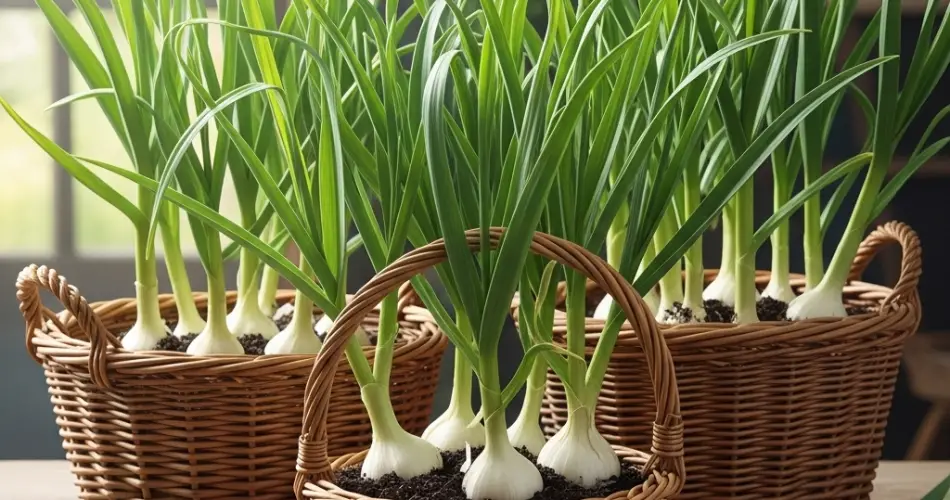
Garlic is one of the most beloved kitchen staples, known for its bold flavor and health benefits. From soups and sauces to marinades and stir-fries, its versatility makes it a must-have in home cooking. The best part is that you don’t need a large garden to grow garlic successfully. With the right approach, even those living in apartments or homes with limited outdoor areas can cultivate a bountiful garlic harvest in compact spaces.
Why Grow Garlic in Small Spaces?
Garlic adapts well to container gardening and other compact setups because it doesn’t need sprawling beds. Each clove you plant grows into a full bulb, and with thoughtful planning, you can fit several bulbs into a small container, crate, or raised box. Growing garlic in small spaces offers several advantages:
-
Space efficiency: Perfect for balconies, patios, or even sunny windowsills.
-
Fresh harvest: Nothing compares to pulling a bulb you’ve grown yourself.
-
Pest control: Garlic naturally deters certain pests, making it a companion plant for other herbs and vegetables.
-
Health benefits: Fresh garlic is rich in antioxidants and compounds that boost immunity and heart health.
With minimal effort, compact garlic gardening gives you both a rewarding harvest and a satisfying gardening experience.
Choosing the Right Container
The container is the foundation of compact garlic growing. Opt for pots, crates, or wooden boxes that are at least 8–10 inches deep to allow proper root development. Width is equally important—choose a size that lets you plant multiple cloves with adequate spacing.
Key tips for containers:
-
Ensure good drainage holes at the bottom to prevent waterlogging.
-
Use sturdy materials like terracotta, wood, or thick plastic that can withstand outdoor conditions.
-
Line the base with gravel or small stones before adding soil for improved drainage.
Best Soil Mix for Garlic
Garlic thrives in loose, well-draining, nutrient-rich soil. Compacted soil can restrict bulb growth, so aim for a fluffy, friable texture. A simple recipe for small-space garlic is:
-
50% high-quality potting soil
-
30% compost or aged manure
-
20% sand or perlite for aeration
This blend ensures a balance of nutrients and air circulation. Garlic prefers a soil pH between 6.0 and 7.0, so check with a simple test kit if possible.
Planting Garlic in Compact Spaces
Planting garlic is straightforward. Here’s how to get started:
-
Choose quality cloves: Select large, firm cloves from disease-free bulbs. Avoid cloves from grocery stores that may have been treated to prevent sprouting.
-
Separate but don’t peel: Gently break the bulb into individual cloves, keeping the papery skin intact.
-
Plant with the pointy side up: Push each clove 2 inches deep into the soil. Space cloves about 4–6 inches apart, even in small containers, to allow bulbs to expand.
-
Water lightly: After planting, water just enough to settle the soil. Avoid soaking.
Depending on your climate, garlic is typically planted in the fall for a summer harvest, but in mild regions, spring planting can also work.
Light and Temperature Needs
Garlic loves the sun and requires at least 6–8 hours of direct light daily. Place containers on a balcony, patio, or windowsill with maximum exposure. In colder regions, garlic cloves planted in the fall will benefit from the natural winter chill, which helps bulb formation.
For very small indoor spaces, consider using a grow light to supplement sunlight.
Watering and Fertilizing
Garlic doesn’t like overly wet soil, so watering requires balance. Keep the soil consistently moist during active growth, but allow the top inch to dry slightly before watering again. Overwatering can lead to rot, especially in containers.
For feeding, apply a nitrogen-rich liquid fertilizer every 3–4 weeks during the growing season to encourage strong leaf growth, which in turn supports bulb development. Once bulbs begin to swell, reduce nitrogen and switch to a balanced organic fertilizer.
Harvesting Garlic
One of the joys of garlic gardening is the anticipation of harvest. Garlic is ready to harvest when the lower leaves begin to yellow and dry out while the upper leaves remain green. Typically, this happens 7–9 months after planting.
To harvest:
-
Gently loosen the soil with your hands or a small tool.
-
Pull bulbs carefully to avoid bruising.
-
Shake off excess soil but don’t wash the bulbs immediately.
After harvest, garlic needs curing. Spread the bulbs in a dry, well-ventilated area out of direct sunlight for 2–3 weeks. Once cured, trim the roots and tops, and store in a cool, dry place.
Tips for Maximizing Yields in Small Spaces
-
Intercropping: Plant garlic alongside herbs like parsley or thyme in the same container for efficient use of space.
-
Successive planting: Use multiple small containers to stagger planting times and extend your harvest season.
-
Scape harvest: If you grow hardneck garlic, harvest the curly green scapes before they flower. They’re edible and flavorful, plus removing them encourages larger bulb growth.
Final Thoughts
Compact garlic growing proves that limited space doesn’t have to mean limited harvests. With the right container, soil mix, and care, you can enjoy a steady supply of homegrown garlic even on a balcony or small patio. Beyond the culinary rewards, growing garlic in small spaces offers the satisfaction of self-sufficiency and the joy of nurturing a crop from clove to bulb.
Whether you’re an urban gardener or simply looking to maximize a modest growing area, garlic is a dependable and rewarding choice for compact gardening success.


