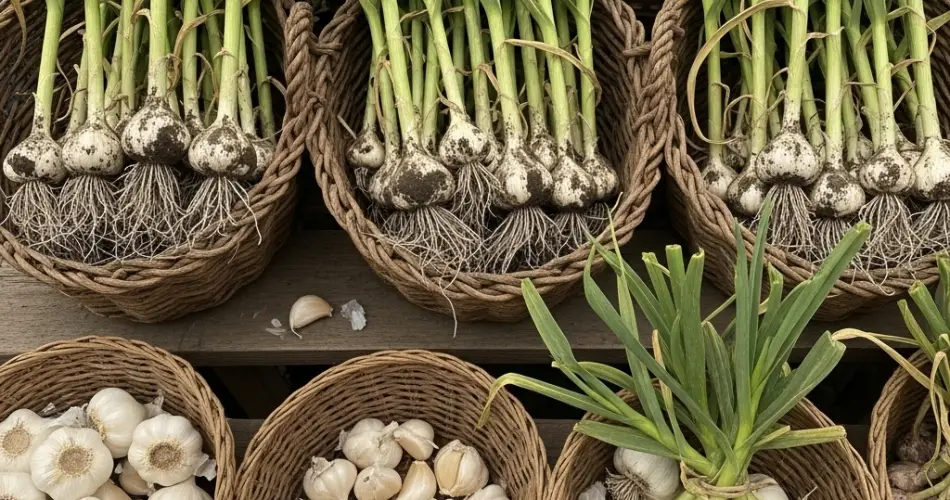
Garlic is a kitchen essential that brings both flavor and health benefits to countless dishes. The good news is that growing garlic doesn’t require sprawling garden beds—you can cultivate it successfully in baskets, even in small outdoor spaces or balconies. With the right soil, basket setup, and care routine, garlic can thrive and reward you with plump, aromatic bulbs.
This guide explores how to create the best soil mix for garlic in baskets and how to care for the plants throughout their growth cycle.
Why Grow Garlic in Baskets?
Basket gardening is an excellent method for growing garlic in compact areas. Baskets provide good drainage, allow mobility, and add a rustic touch to your gardening setup. They’re particularly useful for gardeners who don’t have access to traditional beds or who want to experiment with small-scale urban gardening.
Some advantages include:
-
Portability: Move baskets to catch more sunlight or shelter them from heavy rain.
-
Drainage control: Prevents waterlogging, which garlic dislikes.
-
Efficient use of space: Perfect for patios, balconies, or small backyards.
With proper preparation, baskets can be just as effective as raised beds for garlic cultivation.
Choosing the Right Basket
Select baskets that are at least 10–12 inches deep to give garlic roots room to grow and bulbs space to form. Width depends on how many cloves you want to plant, but even small baskets can hold several bulbs if spaced correctly.
Key tips for choosing baskets:
-
Material: Wicker, wooden, or plastic baskets work well as long as they’re sturdy.
-
Lining: Natural baskets should be lined with landscape fabric or burlap to hold soil while still allowing water to drain.
-
Drainage: Drill or cut extra holes at the bottom if needed to avoid standing water.
The Best Soil Mix for Garlic
Soil quality is the most critical factor in basket-grown garlic. Garlic thrives in loose, fertile soil that drains well. Heavy, compacted soil will restrict bulb development, while overly sandy soil won’t hold enough nutrients.
A balanced soil recipe for garlic in baskets includes:
-
50% high-quality potting soil for structure and consistency.
-
30% compost or aged manure for organic matter and nutrients.
-
20% sand or perlite for aeration and drainage.
This blend ensures a light, nutrient-rich medium where garlic roots can spread easily. Aim for a soil pH between 6.0 and 7.0. Adding a handful of bone meal or well-rotted manure at planting time also encourages strong bulb growth.
Planting Garlic in Baskets
Once your basket and soil are ready, it’s time to plant.
-
Choose healthy cloves: Select the largest, firmest cloves from disease-free bulbs. Avoid using treated supermarket garlic, as it may not sprout well.
-
Prepare cloves: Gently separate the bulb into individual cloves, leaving the papery skins intact.
-
Plant with the tip up: Place cloves 2 inches deep, spaced about 4–6 inches apart. Even in baskets, spacing is important for bulb development.
-
Water lightly: After planting, water just enough to moisten the soil.
If you live in a cool climate, plant garlic in the fall to allow cloves to establish roots before winter. In milder climates, early spring planting is also possible.
Light and Temperature Requirements
Garlic is a sun-loving plant and requires at least 6–8 hours of direct light daily. Place your baskets where they receive maximum sunlight—balconies, patios, or a bright backyard corner. In colder areas, garlic planted in fall benefits from the natural winter chill, which helps bulbs form properly.
For gardeners with limited natural light, supplementing with a grow light can support healthy growth.
Watering Garlic in Baskets
Because baskets drain quickly, garlic needs consistent but moderate watering. The goal is to keep the soil moist without letting it become soggy. Overwatering is one of the most common mistakes and can lead to bulb rot.
Tips for watering:
-
Check soil moisture by sticking a finger about an inch deep; water only if it feels dry.
-
Reduce watering once bulbs start maturing and leaves begin to yellow.
-
Always water at the base, not on the foliage, to reduce disease risk.
Fertilizing Garlic in Baskets
Garlic is a relatively light feeder, but it benefits from periodic nourishment. Early in the growing season, apply a nitrogen-rich fertilizer every few weeks to encourage strong leaf growth. Since healthy leaves support bigger bulbs, this stage is critical.
As bulbs start swelling, switch to a balanced organic fertilizer to support bulb formation. Avoid over-fertilizing late in the season, as this can delay maturity.
Harvesting Garlic from Baskets
Garlic is usually ready to harvest 7–9 months after planting. You’ll know it’s time when the lower leaves start turning yellow and dry, while the upper leaves remain green.
To harvest:
-
Gently loosen the soil and lift bulbs out by hand.
-
Avoid tugging hard to prevent damaging the bulbs.
-
Shake off excess soil and let bulbs cure in a dry, shaded, well-ventilated area for 2–3 weeks.
After curing, trim roots and tops, and store garlic in a cool, dry place.
Maximizing Success in Small Spaces
-
Rotate baskets: Don’t plant garlic in the same basket year after year to reduce the risk of soil-borne diseases.
-
Interplanting: Garlic can share a basket with low-growing herbs like thyme or parsley, maximizing space.
-
Use garlic scapes: If you grow hardneck varieties, harvest the curly scapes for cooking before they flower. This also encourages larger bulbs.
Final Thoughts
Growing garlic in baskets combines practicality with charm, making it ideal for urban gardeners and those with limited space. The key to success lies in the soil mix—light, fertile, and well-draining—and in providing the right balance of sun, water, and nutrients. With patience and proper care, your basket-grown garlic will reward you with fresh, flavorful bulbs perfect for the kitchen.


