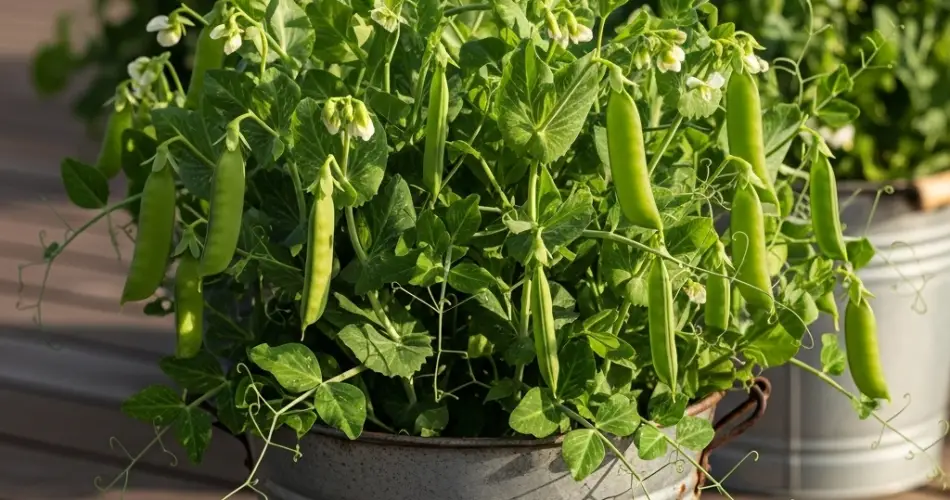
Peas are one of the most rewarding cool-season crops you can grow at home. Sweet, tender, and packed with nutrients, peas make a delightful addition to salads, stir-fries, and side dishes. While traditionally grown in garden beds, peas are also perfectly suited to container gardening. For those who live in apartments or houses with limited space, growing peas in buckets on a balcony is both practical and enjoyable. With the right setup and care, you can harvest a generous supply of fresh peas without needing a large plot of land. This guide will walk you through everything you need to know about growing peas successfully in buckets on your balcony.
Why Grow Peas in Buckets?
Peas are compact plants with shallow root systems, making them an excellent choice for container gardening. Buckets provide the perfect growing environment because they allow you to control soil conditions, drainage, and sunlight exposure. They are also easy to move around, letting you reposition plants to capture the best light or protect them from excessive rain. For balcony gardeners, buckets are a space-saving solution that ensures healthy growth and a reliable harvest.
Choosing the Right Varieties
When selecting pea varieties for balcony buckets, opt for those that adapt well to containers. Some of the best choices include:
-
Dwarf Peas: These compact plants grow only 12–18 inches tall and require minimal support, making them ideal for small buckets.
-
Bush Peas: Slightly larger than dwarf peas, bush peas are still manageable in containers and provide good yields.
-
Sugar Snap Peas: A popular variety, sugar snaps produce sweet, edible pods and climb easily with support.
-
Snow Peas: Known for their flat, tender pods, snow peas are perfect for stir-fries and thrive in containers with trellises.
Pole peas, which grow tall and require large trellises, can also be grown in buckets, but they need more space and stability. Beginners may find dwarf or bush peas easier to manage on balconies.
Selecting the Right Buckets
A bucket that is at least 12 inches deep and 10–12 inches wide works well for peas. Each bucket can accommodate 4–6 plants, depending on the variety. Be sure your bucket has drainage holes at the bottom to prevent waterlogging. If using recycled buckets, clean them thoroughly and drill extra holes if needed.
Plastic, clay, or fabric grow bags all work well. The key is ensuring durability and good drainage throughout the growing season.
Preparing the Soil
Peas prefer light, well-draining soil that retains some moisture. A high-quality potting mix with added compost is ideal. Avoid heavy clay soils, which can compact and restrict root development. Mixing in perlite or coarse sand improves aeration and prevents waterlogging.
Since peas are nitrogen-fixing plants, they do not require heavy fertilization. However, adding compost or a balanced organic fertilizer at the start of planting helps encourage early growth.
Planting Peas in Buckets
Peas grow best in cool weather, so plant them in early spring or fall when temperatures are between 55°F and 70°F (13°C–21°C). Direct sowing is recommended, as peas do not transplant well.
Plant seeds about 1 inch deep and 2 inches apart. In a 12-inch bucket, you can sow a small cluster of seeds around the edge or in rows. After planting, water gently to settle the soil. Germination usually takes 7–14 days, depending on conditions.
Providing Support
Many pea varieties are natural climbers and need some form of support to grow properly. Even compact types benefit from a small trellis or cage. For balcony buckets, consider bamboo stakes, tomato cages, or mesh netting attached to the bucket. Supporting peas not only saves space but also improves air circulation, reducing the risk of disease.
Watering and Care
Peas need consistent moisture but dislike soggy soil. Water when the top inch of soil feels dry, ensuring that the water drains freely. Mulching the top of the soil with straw, shredded leaves, or coco husk helps retain moisture and keeps roots cool.
Because peas are light feeders, avoid over-fertilizing. Too much nitrogen encourages leafy growth at the expense of pods. Instead, rely on compost or a diluted liquid fertilizer applied sparingly during the growing season.
Sunlight Needs
Peas thrive in full sun but can tolerate partial shade, especially in warmer climates. Position your buckets where they receive at least 5–6 hours of direct sunlight daily. On hot balconies, provide some afternoon shade to prevent heat stress.
Harvesting Peas
The best part of growing peas is the harvest. Depending on the variety, peas are ready 60–70 days after planting. For snow peas, harvest when the pods are flat but still tender. Sugar snap peas should be picked when the pods are plump and crisp. Shelling peas are ready when the pods are filled out but before they become tough.
Harvest regularly to encourage continuous production. Use two hands when picking—one to hold the vine and the other to pluck the pod—to avoid damaging the plant.
Conclusion
Growing peas in buckets on your balcony is an accessible and rewarding way to enjoy fresh, homegrown produce. With the right variety, proper bucket setup, and consistent care, you can harvest sweet, tender pods throughout the season. Peas are not only nutritious and delicious but also among the easiest crops to grow in containers, making them perfect for beginner balcony gardeners. With just a few buckets and some attention to detail, you’ll soon be enjoying your own harvest of balcony-grown peas.


