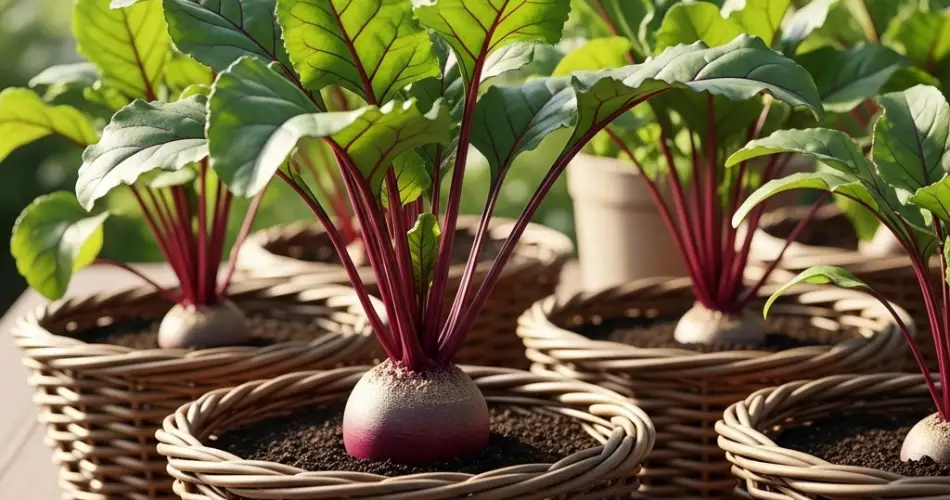
Beets are one of the most rewarding vegetables to grow in small spaces. Known for their earthy flavor, striking color, and nutritional value, beets are a versatile crop that can be enjoyed both for their sweet, tender roots and their leafy green tops. While many gardeners assume beets require large garden beds, they actually thrive in containers—including woven baskets—when given the right conditions. Growing beets in baskets is not only space-saving but also adds a charming, rustic look to balconies and patios.
With proper planning and care, basket-grown beets can be just as productive as those cultivated in traditional garden plots. This guide will walk you through everything you need to know about successfully planting, maintaining, and harvesting beets in woven baskets.
Why Grow Beets in Baskets?
Baskets may not seem like the obvious choice for growing root vegetables, but they come with several benefits:
-
Space efficiency: Baskets allow urban gardeners to grow root crops even without access to garden soil.
-
Portability: You can easily move baskets to catch the sun or protect the plants from weather extremes.
-
Aesthetic appeal: A woven basket brimming with beet leaves doubles as a functional food source and a decorative addition to your balcony.
-
Good drainage: When lined correctly, baskets provide the drainage that prevents waterlogging, which is especially important for root crops like beets.
Step 1: Choosing and Preparing the Basket
Not every basket will work, so select one suited to root vegetable growth.
-
Depth and size: Choose a basket at least 10–12 inches deep and wide enough to allow multiple plants to grow without crowding.
-
Lining: Line the inside with burlap, landscape fabric, or a biodegradable liner. This prevents soil from spilling out while still allowing drainage.
-
Drainage setup: Place the basket on a tray to catch excess water if using it indoors or on a balcony floor. Beets prefer moist but not soggy soil.
Once lined and prepared, the basket becomes a perfect mini-garden for your beets.
Step 2: Soil Preparation
Soil is the foundation of healthy beets, especially since their roots are the main harvest.
-
Texture: Choose loose, well-draining soil to allow roots to expand easily. Avoid heavy clay or compacted mixes.
-
Nutrients: Mix in compost or organic matter to enrich the soil with essential nutrients.
-
Additives: Incorporating a little sand or perlite improves aeration and drainage, ensuring healthy root growth.
-
pH balance: Aim for slightly acidic to neutral soil, with a pH between 6.0 and 7.5.
Fill the basket nearly to the top, leaving about an inch of space to prevent water overflow.
Step 3: Planting Beets
Beets are best grown directly from seeds rather than transplants, as they dislike being disturbed.
-
Sowing: Plant beet seeds about 1 inch apart in rows or scatter them evenly across the basket’s surface.
-
Depth: Cover seeds lightly with ½ inch of soil.
-
Watering: Gently water after sowing to moisten the soil.
Since beet seeds are actually clusters of tiny seeds, multiple seedlings often sprout together. Once they grow a few inches tall, thin them out so each plant has 3–4 inches of space. The thinned seedlings can be eaten as microgreens or salad toppings.
Step 4: Caring for Basket-Grown Beets
Beets are relatively low-maintenance, but consistency is key to success.
-
Watering: Keep the soil evenly moist but not waterlogged. Baskets can dry out quickly, so check daily, especially in warm weather.
-
Sunlight: Place the basket in a location that receives at least 6 hours of direct sunlight each day. Beets grow best in bright light.
-
Fertilization: Every 3–4 weeks, feed with a balanced, water-soluble fertilizer or compost tea to encourage strong root and leaf growth.
-
Weeding: While weeds are less of an issue in baskets, remove any that appear to avoid competition for nutrients.
Step 5: Harvesting Beets
Beets are ready to harvest when the roots are about 1.5 to 3 inches in diameter, usually within 8–10 weeks of planting.
-
Roots: Gently pull up the entire plant when the beet is the right size. Smaller beets tend to be more tender and sweet.
-
Leaves: Don’t forget the tops! Beet greens can be harvested sparingly throughout the growing process. Snip a few outer leaves at a time, leaving the central growth intact.
By staggering plantings every 2–3 weeks, you can ensure a steady supply of fresh beets and greens throughout the growing season.
Step 6: Troubleshooting Common Issues
Even in baskets, beets can face challenges:
-
Crowding: Thinning is crucial, as overcrowded beets will not form healthy roots.
-
Drying out: Baskets dry out faster than garden beds, so frequent watering is essential.
-
Pests: Watch for leaf miners or aphids. Use neem oil spray or introduce beneficial insects like ladybugs to control infestations.
Conclusion
Growing beets in woven baskets is an excellent way to combine functionality with creativity in small-space gardening. With the right basket, nutrient-rich soil, and consistent care, you can enjoy a harvest of colorful, flavorful beets right from your balcony.
This method not only provides fresh, homegrown food but also adds beauty to your outdoor space. Whether you’re a seasoned gardener or just starting, basket gardening makes it possible to cultivate nutritious crops like beets without a large backyard. Compact, convenient, and rewarding, balcony beet gardening truly brings success in a small package.


