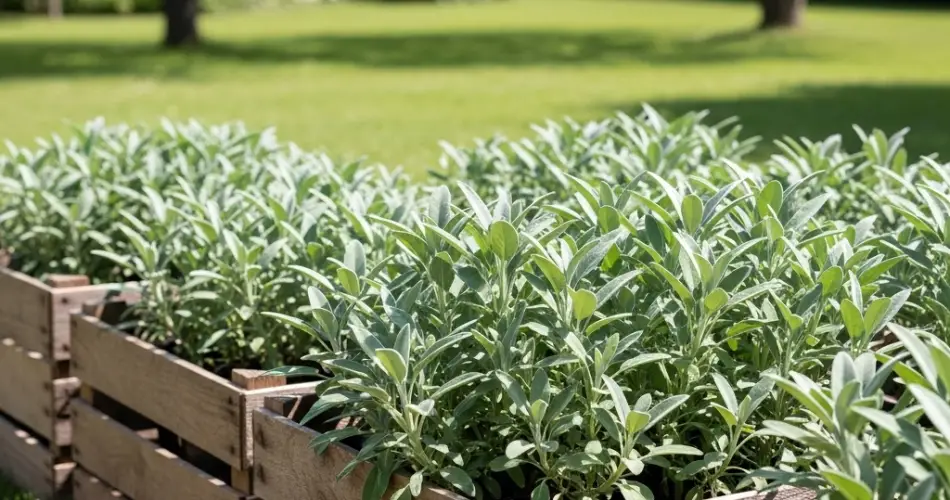
Sage is one of the most beloved culinary herbs, known for its earthy aroma and robust flavor. It plays a starring role in everything from savory stuffing and roasted vegetables to herb-infused oils and teas. With its soft, silvery-green leaves and low-maintenance nature, sage is a great addition to any home herb garden. And with wooden crates, even the smallest backyard or patio can become a thriving space for this versatile herb.
Crate gardening is not only a space-saving solution but also adds a rustic, decorative touch to your outdoor space. It’s a great way to grow herbs like sage that prefer well-draining soil and plenty of sunlight.
Why Choose Wooden Crates for Sage?
Sage thrives in containers, especially when planted in wooden crates that provide ample airflow and drainage. The roots of sage dislike soggy soil, and wooden crates—with their open slats and customizable drainage—are perfect for creating the dry, well-drained conditions this herb prefers.
In addition, crates are lightweight and portable, so you can move them around to find the best spot with full sun exposure. Their natural look also complements sage’s soft foliage, creating a beautiful feature for your backyard, balcony, or porch.
Best Sage Varieties for Container Growing
There are several types of sage that perform well in crates:
-
Common Garden Sage (Salvia officinalis): The standard culinary variety, known for its strong flavor and velvety leaves.
-
Purple Sage: Offers ornamental value with deep purple leaves and a similar flavor to common sage.
-
Golden Sage: A variegated variety with gold and green leaves that adds a decorative element to your crate garden.
-
Tricolor Sage: Beautiful variegated foliage in green, white, and purple, often grown more for looks but still edible.
Choose one or mix a few for variety and color contrast in your crate.
Materials You’ll Need
To grow sage in crates, gather the following:
-
A wooden crate (untreated and with drainage holes or slats)
-
Landscape fabric or coconut coir liner
-
Potting soil suitable for herbs
-
Organic compost or aged manure
-
Gravel or small stones (optional for extra drainage)
-
Sage seedlings or cuttings
-
A hand trowel
-
Watering can
Setting Up the Crate Planter
Start by lining your wooden crate with landscape fabric or a coconut coir liner. This will keep the soil in place while still allowing water to drain freely. If the crate doesn’t have built-in drainage holes or slats, drill a few into the bottom.
Add a thin layer of gravel or pebbles at the base for additional drainage, especially if your climate receives heavy rain. Then fill the crate with a mix of quality potting soil and compost. Sage prefers slightly alkaline, loose soil that drains well and doesn’t retain excessive moisture.
Planting and Spacing
Sage is best grown from seedlings or cuttings, as it can be slow to start from seed. Plant each seedling about 30 cm apart to allow for air circulation and mature growth.
Dig a small hole for each plant, position it so the base of the stem is level with the soil, and gently firm the soil around it. Water lightly to help the roots settle in.
If you’re planting multiple herbs in the same crate, be sure to pair sage with other Mediterranean herbs like thyme or rosemary that enjoy similar conditions.
Light and Watering
Sage thrives in full sun—at least 6 to 8 hours of direct sunlight each day. Place your crate in a bright area such as a south-facing patio or open backyard space.
Water only when the top 2–3 cm of soil feels dry. Sage is drought-tolerant once established and doesn’t like to sit in wet soil. Make sure your crate drains well after each watering session to avoid root rot.
Harvesting and Pruning
You can begin harvesting sage once the plant is about 15 cm tall. Snip off the outer leaves or branches using clean scissors or pruners. Regular harvesting encourages the plant to grow fuller and prevents it from becoming woody.
Avoid cutting more than one-third of the plant at a time. For drying, harvest longer stems in the morning and hang them in a cool, dry place. Dried sage keeps well and is excellent for year-round use.
Prune sage in early spring or late summer to shape the plant and remove old, woody stems. This will encourage new growth and help the plant remain productive over several seasons.
Pests and Maintenance
Sage is generally pest-resistant, but it may occasionally attract spider mites or whiteflies in hot, dry conditions. Spray the foliage with a gentle stream of water or use neem oil to control infestations.
Check for mildew or fungal issues during periods of high humidity. Good air circulation around the plant and proper drainage help prevent these problems.
Overwintering and Longevity
In warmer climates, sage is a perennial and can last for several years. In colder regions, crates make it easier to protect the plant from frost. Move the crate to a sheltered area or cover the plant with breathable frost cloth.
After 2 to 3 years, sage may become woody and less productive. You can either replace the plant or take cuttings to propagate new ones for the next season.
Conclusion
Backyard sage crate gardening is a simple, practical, and visually appealing way to grow one of the most useful culinary herbs at home. With the right container, sunlight, and care, your sage plant will reward you with fragrant leaves that elevate your cooking year-round. Whether you’re new to gardening or a seasoned grower, this easy crate method brings fresh herbs right to your fingertips in a stylish, space-saving form.


