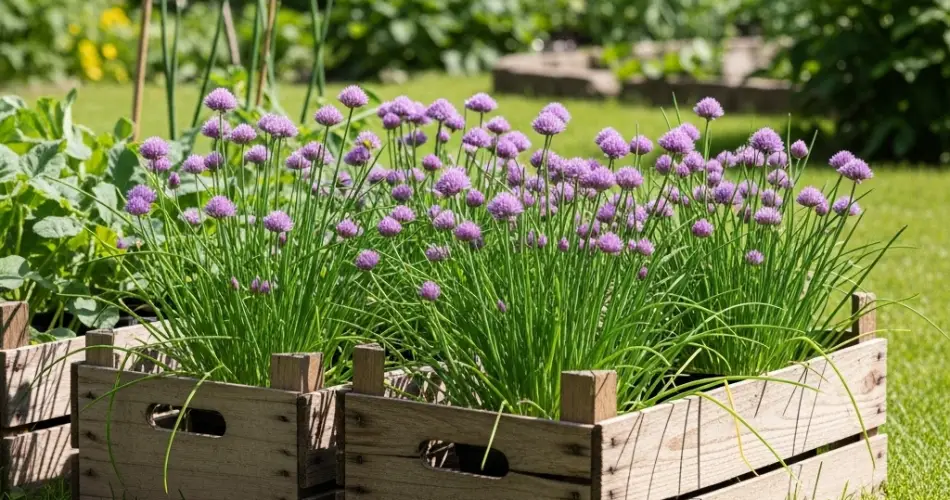
Chives are one of the easiest and most useful herbs to grow at home. With their slender green stalks and mild onion flavor, chives are a versatile addition to salads, soups, eggs, and many other dishes. Growing chives doesn’t require much space, and one of the most convenient ways to cultivate them is by using wooden crates right in your backyard.
Wooden crate gardening is ideal for herbs like chives because it’s space-efficient, visually attractive, and allows you to manage soil conditions and watering more precisely. If you’re looking to start a low-maintenance, productive herb garden, chives in crates are a great place to begin.
Why Grow Chives in Crates?
Chives are perfect for container gardening. They have shallow roots, grow upright, and don’t need much space to thrive. Using wooden crates offers several key advantages:
-
Portability: Easily move crates around to adjust for sun exposure or protect from harsh weather.
-
Soil control: You can fill crates with well-draining, fertile soil ideal for chive growth.
-
Space-saving: Great for small patios, balconies, or backyard corners.
-
Easy access: Keep crates near your kitchen door or outdoor cooking area for quick harvests.
Recycled wooden crates also give your garden a charming, rustic look while helping reduce waste.
Selecting and Preparing a Crate
Choose a wooden crate that’s at least 8–10 inches deep and wide enough to hold several chive plants. Look for crates made from untreated wood to avoid introducing chemicals into your herb garden.
To prepare the crate:
-
Drill drainage holes in the bottom to prevent water from pooling and causing root rot.
-
Line the inside with landscape fabric, burlap, or coconut fiber to hold in soil while still allowing water to drain.
-
Fill the crate with a well-draining potting mix rich in organic matter. A blend of potting soil and compost works well. Avoid heavy or clay-based soils.
Growing Chives from Seeds or Divisions
You can grow chives either from seed or by dividing an existing clump.
-
Seeds: Start by sprinkling chive seeds on the soil surface, covering lightly with ¼ inch of soil. Water gently and keep the soil consistently moist until the seeds germinate, usually in 10–14 days.
-
Divisions: For faster results, divide an established clump of chives and replant the sections into the crate. This method gives you harvestable greens much sooner.
Plant chives about 4–6 inches apart to give each clump room to grow.
Sunlight and Watering Needs
Chives thrive in full sun, ideally receiving 6 or more hours of direct light per day. Place your crate in a sunny backyard location or on a patio that gets consistent sunlight. In very hot climates, partial afternoon shade can help prevent the leaves from drying out.
Water chives regularly, keeping the soil lightly moist but never soggy. In hot or dry conditions, you may need to water every 1–2 days. Crates dry out faster than garden beds, so monitor soil moisture frequently.
Feeding and Maintenance
Chives don’t need heavy feeding. When planting, mix some compost into the soil. During the growing season, feed once a month with a diluted organic liquid fertilizer to encourage lush, green growth.
Trim dead or yellowing leaves to keep the plant looking tidy and to promote new shoots. If flower buds appear, you can let them bloom for their beautiful purple blossoms or snip them early to encourage continued leaf production.
Harvesting Chives
Once your chives are 6 inches tall, you can begin harvesting. Use scissors to snip the leaves about 1–2 inches above the soil line. Harvesting regularly encourages new growth and prevents the plants from becoming woody or sparse.
For the best flavor:
-
Harvest in the morning when the oils are strongest.
-
Only take what you need; chives are best used fresh.
-
If you have excess, you can chop and freeze them in ice cube trays with a bit of water or oil for later use.
Pests and Problems
Chives are naturally pest-resistant due to their onion-like smell. However, they can occasionally attract thrips or aphids. These can be managed with a spray of water or natural insecticidal soap.
To prevent fungal issues, water at the base of the plant and make sure the crate has good drainage and airflow. Avoid letting the soil stay soggy, especially in rainy seasons.
Year-Round Care and Regrowth
Chives are perennials, meaning they come back year after year. In colder climates, they’ll die back in winter but regrow in spring. You can leave the crate outdoors if winters are mild, or move it to a sheltered area during frost.
Every couple of years, divide the plant clumps in early spring to keep them vigorous and productive. Simply pull the plant from the soil, separate the roots, and replant the sections into fresh soil.
Final Thought: A wooden crate filled with vibrant green chives is both functional and decorative. With minimal effort, you’ll have a steady supply of fresh herbs right at your fingertips—and a backyard garden setup that’s both charming and efficient.


