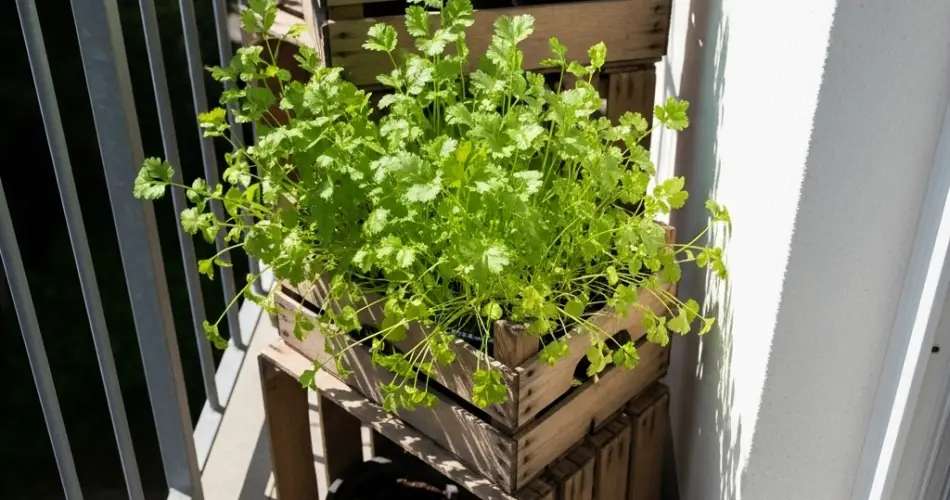
Cilantro, also known as coriander, is a fast-growing, aromatic herb used in a wide variety of cuisines—from Mexican salsa to Indian curries and Southeast Asian soups. Its fresh, citrusy leaves are best enjoyed shortly after harvest, making home-grown cilantro an excellent choice for backyard gardeners.
If you’re short on garden space or want to keep your herbs neat and contained, growing cilantro in recycled wooden crates is a smart and simple solution. This method not only saves space but also adds a rustic charm to your outdoor area. Here’s how to successfully grow fresh cilantro in crates right in your backyard.
Why Grow Cilantro in Crates?
Wooden crates offer a convenient way to grow herbs in controlled conditions. Cilantro has specific needs—cooler weather, loose soil, and moderate watering—which can be better managed in crates. Some benefits of crate gardening include:
-
Mobility: Move crates to follow sunlight or avoid harsh heat.
-
Soil control: Fill your crate with nutrient-rich, well-draining soil tailored to cilantro’s needs.
-
Space-saving: Perfect for small yards, patios, or balcony gardens.
-
Containment: Keeps your herb garden organized and easy to maintain.
Selecting the Right Crate
Choose a clean, recycled wooden crate that’s untreated and safe for growing edibles. The crate should be at least 8–10 inches deep to support healthy root growth and about 12–18 inches wide if you want to grow multiple plants.
Before planting:
-
Drill drainage holes at the bottom of the crate if it doesn’t already have them.
-
Line the interior with landscape fabric, burlap, or breathable mesh to hold soil in place while still allowing water to drain.
-
Fill with loose, well-draining soil. Cilantro prefers a slightly sandy soil mix. Combine potting soil with compost and a little sand or perlite for ideal texture and nutrition.
Starting Cilantro from Seed
Cilantro grows best when started from seed, as it doesn’t transplant well. The seeds germinate quickly and can be sown directly into your crate.
To plant:
-
Soak seeds in water overnight to speed up germination.
-
Sow seeds ¼ inch deep and 1–2 inches apart.
-
Lightly cover with soil and water gently.
-
Keep the soil moist until germination, which usually takes 7–10 days.
Once seedlings are a few inches tall, thin them out to allow 4–6 inches of space between plants.
Sunlight and Temperature
Cilantro thrives in cooler temperatures—ideally between 50°F and 75°F (10°C to 24°C). It can tolerate partial shade, especially in warmer climates, but needs at least 4–6 hours of sunlight daily to grow well.
Place your crate in a location that receives morning sun and light afternoon shade, especially during hot months. Cilantro tends to bolt (go to seed) quickly in heat, so keeping it cool can extend your harvest.
Watering and Feeding
Cilantro prefers evenly moist soil. Water when the top inch of soil feels dry, but avoid overwatering, as soggy soil can lead to root rot.
Use compost-rich soil or feed the plants with a diluted organic liquid fertilizer every 2–3 weeks to keep them growing strong. Avoid high-nitrogen fertilizers, as they may cause excessive leafy growth with less flavor.
Harvesting Cilantro
You can start harvesting cilantro leaves when the plants are about 6 inches tall. Snip off the outer leaves first, allowing the center to keep growing. Regular harvesting encourages more leaf production and helps prevent the plant from bolting.
To harvest:
-
Cut stems just above the soil or above a leaf node.
-
Harvest early in the morning for the best flavor and freshness.
If your plant begins to flower, you can let it go to seed and collect coriander seeds for culinary use or replanting.
Managing Bolting and Heat
Cilantro bolts quickly in hot weather. To slow this process:
-
Keep the crate in partial shade during the afternoon.
-
Water consistently to reduce heat stress.
-
Choose slow-bolting cilantro varieties for longer harvest windows.
If bolting starts, let some plants flower to attract pollinators and harvest the seeds (coriander) once they mature and dry on the plant.
Pests and Common Issues
Cilantro is generally pest-resistant, but you may occasionally see aphids or fungal spots. These can be managed with:
-
A gentle spray of water or neem oil for pests.
-
Proper spacing and good air circulation to prevent disease.
Avoid watering the leaves directly—water the base of the plant to reduce the chance of fungal problems.
Growing Cilantro Year-Round
Cilantro grows best in spring and fall. In warm climates, it can be planted in winter. For a continuous supply:
-
Stagger your planting every 2–3 weeks.
-
Reuse your crate with fresh soil or compost between plantings.
With just a bit of care and attention to climate, you can grow flavorful, fresh cilantro right from your backyard crate garden.
Final Thought: Crate gardening makes it easy to enjoy fresh cilantro anytime you need it—perfect for home cooks who value freshness, sustainability, and convenience. Whether tucked into a sunny corner or lined up along a garden path, your crates will not only grow herbs but also enhance your backyard’s charm.


