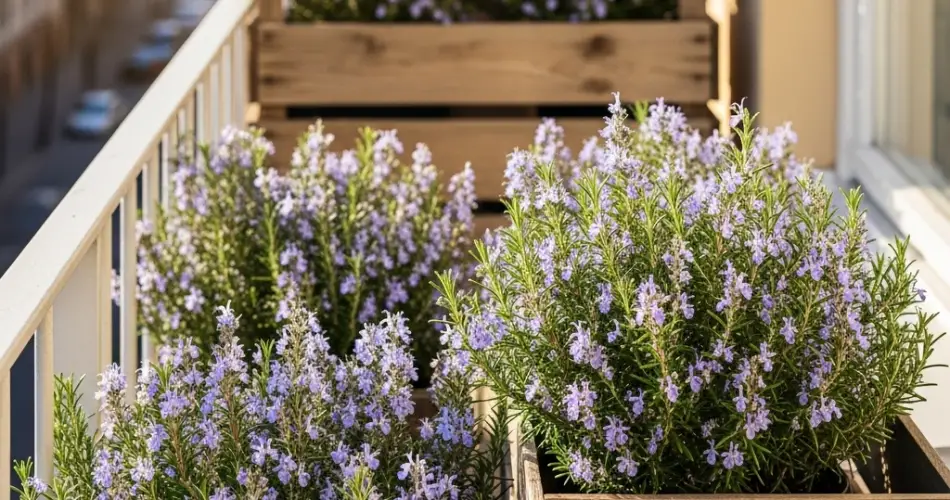
Rosemary is a resilient and aromatic herb that brings both beauty and flavor to any garden. Known for its needle-like leaves and strong, piney scent, rosemary is widely used in culinary dishes, herbal remedies, and even natural home care products. Best of all, it’s easy to grow—especially in containers. Using wooden crates as planters is a stylish and functional way to cultivate this woody herb outdoors, whether on a patio, balcony, or small backyard space.
Crate gardening combines rustic charm with practicality, allowing you to create a portable herb garden that’s both decorative and productive. Rosemary thrives in this type of setup, making it a perfect choice for crate planters.
Why Choose Wooden Crates for Rosemary?
Wooden crates offer excellent breathability and drainage, two things rosemary loves. As a Mediterranean herb, rosemary prefers dry, well-drained soil and lots of sunlight. Crates allow water to escape easily, preventing root rot—a common issue when rosemary is grown in compact or overly moist conditions.
Crates are also lightweight and portable, so they can be moved to capture more sunlight or to shelter the plant from extreme weather. Their rustic aesthetic adds a charming, natural feel to any outdoor space while keeping your herb garden neat and organized.
Best Rosemary Varieties for Crate Growing
There are several types of rosemary suitable for growing in containers. Consider the following:
-
Tuscan Blue: Upright growth habit with aromatic, deep green leaves.
-
Blue Spires: A vigorous grower that produces tall stems and pale blue flowers.
-
Prostrate Rosemary (Creeping Rosemary): Ideal for hanging crates or edges, with trailing stems.
-
Arp: A cold-hardy variety with a strong pine-like aroma and slightly grayish leaves.
Choose a compact or upright type if you want a more structured look. Trailing varieties work beautifully in crates that are placed on walls or raised stands.
Materials You’ll Need
To start your rosemary crate garden, gather the following supplies:
-
A wooden crate (preferably untreated and food-safe)
-
Landscape fabric or coconut coir liner
-
Gravel or small stones (for drainage)
-
Well-draining potting soil
-
Organic compost or sand (for soil mix)
-
Rosemary seedlings or cuttings
-
A hand trowel
-
Watering can
Preparing the Crate
Begin by lining the interior of your wooden crate with landscape fabric or coconut coir. This keeps soil from falling through the gaps while still allowing excess water to drain freely.
Ensure there are drainage holes or slats at the bottom of the crate. If needed, drill a few holes yourself. Add a layer of gravel or pebbles to the base for additional drainage.
Next, fill the crate with a potting mix blended with sand or perlite. Rosemary prefers sandy, slightly alkaline soil. Mix in a small amount of compost, but avoid using rich, moisture-retentive soils.
Planting Rosemary
Use young rosemary plants or well-rooted cuttings for best results. Space plants at least 20–30 cm apart to allow for air circulation and future growth. If planting just one, center it in the crate for a balanced look.
Plant rosemary at the same depth as it was in the nursery pot. Gently firm the soil around the base and water lightly to help settle the roots.
Light and Water Requirements
Rosemary needs full sun to thrive—at least 6 to 8 hours of direct sunlight each day. Place your crate in a bright, open area, such as a south-facing patio, backyard corner, or sunny balcony.
Water rosemary sparingly. Allow the soil to dry out between waterings, and never let the crate become waterlogged. Overwatering is one of the few ways to harm this hardy herb. During hot spells, water once the top 3–5 cm of soil feels dry.
Pruning and Maintenance
Regular pruning keeps rosemary bushy and productive. Once your plant is established, begin trimming the top few inches of growth to encourage branching. Always use clean scissors or pruners and cut just above a leaf node.
You can also shape the plant into small topiary forms or hedges if you enjoy ornamental gardening. Remove any woody or dead stems as needed to promote healthy new growth.
Harvest rosemary anytime once the plant is mature—usually after it has reached about 20–30 cm in height. Cut sprigs from the top and outer sides, leaving the central structure intact.
Pests and Problems
Rosemary is generally pest-resistant, but it may occasionally attract spider mites or aphids, especially in dry or dusty conditions. Rinse the plant with a strong stream of water or apply a diluted neem oil spray to control infestations.
Fungal diseases can occur if airflow is poor or soil remains too wet. Avoid overhead watering and allow adequate spacing between plants.
Winter Care
In mild climates, rosemary can remain outside year-round. In colder zones, bring the crate indoors during the winter or place it in a sheltered area with indirect sunlight. Reduce watering during the dormant season and avoid fertilizing until spring.
If your rosemary becomes root-bound after a couple of years, repot it into a larger crate or refresh the soil to maintain healthy growth.
Conclusion
Growing woody rosemary in wooden crate planters is a simple and rewarding way to enjoy this fragrant herb at home. With the right sunlight, drainage, and occasional pruning, rosemary will thrive in a crate, providing both visual appeal and fresh sprigs for cooking year-round. Whether you’re a seasoned gardener or just starting out, crate gardening with rosemary adds elegance, aroma, and functionality to any outdoor space.


