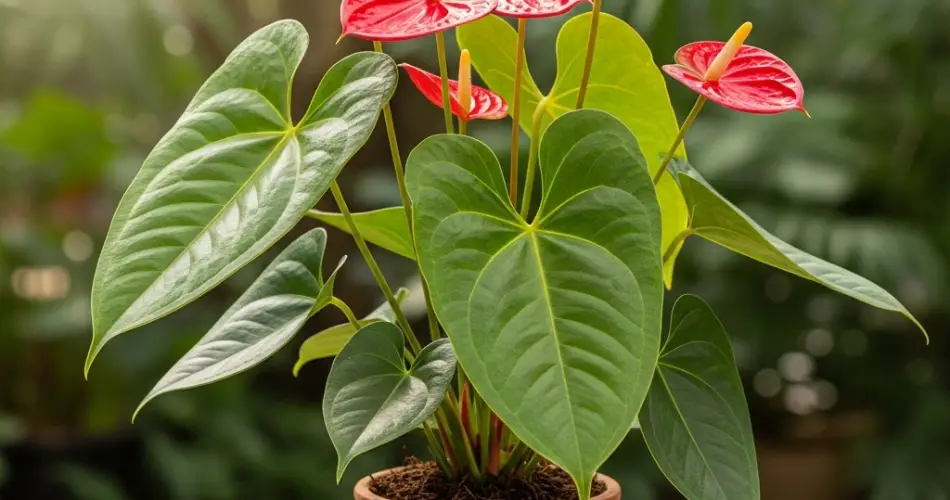
If you’re aiming to bring a bold splash of tropical charm into your home, few houseplants make a bigger visual impact than the anthurium. With its glossy, heart-shaped leaves and striking, long-lasting spathes (often mistaken for flowers), the anthurium adds vibrant elegance to any indoor setting. Native to Central and South America, this plant thrives when potted correctly and placed in suitable conditions, making it an excellent candidate for container gardening indoors.
Whether you’ve recently picked one up at a garden center or you’re looking to rejuvenate an older plant, here’s how to grow a thriving anthurium in a pot and create that lush, tropical vibe in your space.
Why Anthuriums Thrive in Containers
Anthuriums are naturally epiphytic in the wild, often growing on trees where their roots can breathe freely. This makes them very adaptable to container life—so long as their roots aren’t waterlogged or crammed into the wrong type of soil. Container gardening allows you to control their environment more precisely, including drainage, light, and humidity, all of which are key to healthy growth and brilliant blooms.
Selecting the Right Container
Choosing the right pot for your anthurium can significantly affect its health and flowering potential. Look for a container that is:
-
Well-draining: Ensure there are drainage holes at the bottom to prevent root rot.
-
Not overly large: Anthuriums prefer snug containers. A pot that’s too big holds excess moisture and encourages root problems.
-
Material matters: Terracotta, ceramic, or plastic pots all work, but terracotta’s porous nature can help avoid soggy roots.
Generally, a pot 6 to 8 inches in diameter is ideal for most indoor anthuriums. If your plant becomes root-bound or starts to show slowed growth, repotting into a container just one size up is best.
The Ideal Potting Mix
Because anthuriums like air around their roots, they require a loose, well-draining growing medium. You can use a store-bought orchid mix, or make your own using:
-
1 part orchid bark
-
1 part perlite or pumice
-
1 part peat moss or coco coir
This mix balances moisture retention and aeration, mimicking the plant’s natural environment. Avoid heavy potting soils that retain too much water.
Potting and Repotting Tips
To pot an anthurium:
-
Prepare the pot by placing a bit of the potting mix at the bottom.
-
Gently remove the plant from its old container, being careful not to damage the roots.
-
Loosen any circling roots to encourage outward growth.
-
Place the plant in the new container with the crown slightly above soil level.
-
Fill in with potting mix, patting it down gently around the roots.
-
Water thoroughly, letting excess water drain away.
Anthuriums generally need repotting every 1.5 to 2 years or when the roots begin growing out of the pot’s drainage holes.
Lighting Needs Indoors
Anthuriums love bright, indirect light. Too much direct sunlight can scorch the leaves and fade the blooms, while too little light can result in poor growth and no flowering. A spot near a north or east-facing window is usually perfect. If you’re growing them in a darker room, consider supplementing with grow lights.
Keep in mind that variegated or brightly colored varieties may need a bit more light to maintain their vivid foliage.
Watering and Humidity
One of the most common mistakes with anthuriums is overwatering. These plants prefer to dry out slightly between waterings. Check the top 1 to 2 inches of soil—if it’s dry, it’s time to water. Always discard any water that collects in saucers to prevent root rot.
Anthuriums also enjoy high humidity, ideally between 60–80%. To increase humidity, try:
-
Using a pebble tray with water
-
Grouping it with other houseplants
-
Running a small humidifier nearby
Misting can be done occasionally, but avoid soaking the leaves or flowers.
Feeding for Flowers
Fertilizing anthuriums can boost flowering. Use a balanced liquid houseplant fertilizer diluted to half strength once every 6–8 weeks during the growing season (spring and summer). High-phosphorus fertilizers (like 10-30-20) can encourage more blooms. Avoid overfeeding, as this can lead to salt build-up and leaf tip browning.
Pruning and Maintenance
To keep your anthurium tidy and healthy:
-
Remove any yellow, damaged, or dying leaves.
-
Trim spent flowers at the base of the stem.
-
Clean leaves with a damp cloth to remove dust and improve light absorption.
If your plant becomes leggy, it might be due to low light or age. You can rejuvenate it by cutting and repotting the healthier top portion with some aerial roots.
Final Thoughts
With the right pot, mix, and care routine, anthuriums are easy to maintain and incredibly rewarding. Their tropical beauty can enhance any room, whether placed on a shelf, coffee table, or plant stand. Container gardening gives you full control over their environment, helping ensure lush foliage and vivid spathes all year round.
By understanding your anthurium’s basic needs—well-draining soil, moderate light, and consistent moisture—you’ll enjoy a vibrant, thriving plant that truly brings the tropics indoors.


