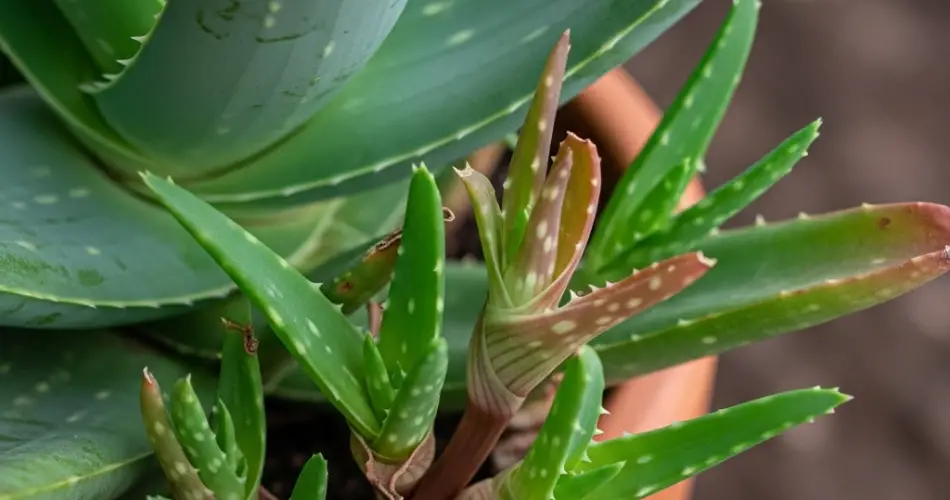
Aloe vera is not only a low-maintenance and attractive succulent, but it’s also known for its many uses—from skin care to first aid. If you have a healthy aloe vera plant and want to grow more without buying new ones, propagation is a simple and satisfying process. While the most common method involves separating offsets (also called pups), many gardeners are curious whether it’s possible to propagate aloe vera from a single leaf.
The short answer is yes, but it requires patience and the right conditions. Here’s a detailed guide on how to grow new aloe plants from a single leaf, plus tips to ensure success.
Can Aloe Vera Really Be Grown from a Leaf?
Aloe vera leaf propagation is possible, though not as reliable as growing from pups. Unlike other succulents that root easily from leaf cuttings, aloe vera leaves are more prone to rotting before they establish roots. That said, with careful preparation and patience, you can encourage a leaf cutting to root and grow into a new plant.
If you want a higher success rate, consider using pups instead. But if you’re up for a challenge or simply want to experiment, leaf propagation is a rewarding process.
What You’ll Need
-
A mature aloe vera plant
-
Clean, sharp knife or garden shears
-
A dry, warm place for callusing
-
Well-draining succulent or cactus potting mix
-
A shallow container or pot with drainage holes
-
Optional: rooting hormone
Step-by-Step Guide to Propagating Aloe Vera from a Leaf
1. Select a Healthy Leaf
Choose a thick, healthy outer leaf from the base of the aloe plant. Avoid leaves that are damaged, thin, or soft. The leaf should be mature and firm for the best chance at successful propagation.
Using a clean, sharp knife, cut the leaf off at the base close to the stem. Make a clean cut to reduce the risk of rotting and infection.
2. Allow the Leaf to Callus
Once you’ve cut the leaf, let it rest in a warm, dry, shaded area for several days. This step is critical. The cut surface needs to dry out and form a callus to prevent it from rotting when placed in soil. The process can take 3 to 7 days, depending on humidity and temperature.
Do not skip this step or attempt to plant the leaf while it’s still moist.
3. Prepare the Potting Mix
Aloe vera needs excellent drainage, so choose a well-aerated mix specifically designed for succulents or cacti. You can also make your own by mixing regular potting soil with sand or perlite in a 1:1 ratio.
Use a small pot with drainage holes to avoid excess moisture, which could lead to rot.
4. Plant the Callused Leaf
Once the leaf has callused over, it’s ready for planting. Insert the cut end about 1–2 inches into the soil. Firm the soil gently around the base to support the leaf in an upright position.
Keep the leaf in a warm, bright area with indirect sunlight. Direct sun at this stage can be too intense and may dry the leaf out before roots have a chance to form.
Watering and Care During Rooting
Water the soil lightly after planting, but don’t soak it. Overwatering is one of the most common reasons aloe cuttings fail. Allow the soil to dry out completely between waterings. You may only need to water once every two to three weeks, depending on your climate.
During this rooting phase, resist the urge to check for roots too often. It may take several weeks to a few months for visible signs of growth. A successfully rooted aloe vera cutting will eventually begin to produce new leaves from the base.
Tips for Success
-
Use rooting hormone: While optional, applying a rooting hormone to the cut end of the leaf before planting may increase your chances of successful propagation.
-
Start with multiple leaves: Because aloe leaf propagation has a low success rate, starting with several cuttings can improve your odds of growing at least one new plant.
-
Avoid overwatering: The soil should be dry to the touch before rewatering. Excess moisture promotes rot, especially in unrooted cuttings.
-
Watch for rot: If the leaf becomes mushy or turns black at the base, it’s likely rotted and may not be salvageable.
What to Expect
A leaf-grown aloe vera plant usually grows slower than one propagated from a pup. It may take several months to see substantial progress, and not all attempts will be successful. However, for patient gardeners, even one thriving new plant is worth the effort.
Once the new plant is established, you can treat it like any mature aloe—watering infrequently, providing bright but indirect light, and enjoying its practical benefits.
In Summary
While propagating aloe vera from a leaf is more challenging than using pups, it’s still possible with proper technique and patience. The key is allowing the cut leaf to callus fully, using a well-draining soil mix, avoiding excess moisture, and providing gentle light and warmth. With care and time, you may soon have a brand-new aloe plant grown from a single leaf—a true testament to your green thumb.


