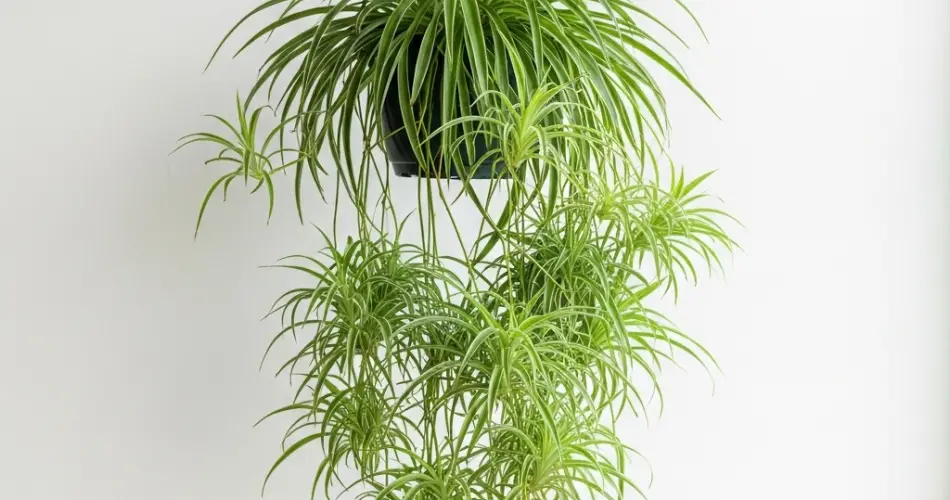
Spider plants (Chlorophytum comosum) are well-loved for their elegant arching leaves and air-purifying abilities, making them a top choice for both new and seasoned plant lovers. But even the easiest houseplants can show signs of distress. One of the most common issues with spider plants is browning leaf tips. If your plant’s once-vibrant green leaves are turning dry and brown at the ends, it’s time to investigate the real cause—and the solution.
Here’s a complete guide to why your spider plant may be getting brown tips and what you can do to fix it and prevent it in the future.
1. Fluoride and Chlorine in Tap Water
One of the most overlooked reasons for browning tips in spider plants is sensitivity to chemicals in tap water, especially fluoride and chlorine. These compounds accumulate in the soil over time and affect the roots’ ability to absorb nutrients properly, leading to tip burn.
Solution:
Use filtered, distilled, or rainwater to hydrate your spider plant. Alternatively, you can let tap water sit out overnight to allow chlorine to evaporate, although this doesn’t remove fluoride. Flushing the soil with clean water occasionally can also help remove accumulated salts and chemicals.
2. Overfertilization
Spider plants are light feeders and don’t require frequent fertilizing. Too much fertilizer—especially high-nitrogen formulas—can cause salt buildup in the soil, resulting in burnt leaf tips.
Solution:
Fertilize sparingly—once every 4–6 weeks during spring and summer using a diluted, balanced houseplant fertilizer. Avoid feeding during fall and winter when the plant’s growth slows. If you suspect salt buildup, flush the soil with distilled water until it runs clear, and don’t fertilize for several weeks.
3. Low Humidity
Although spider plants are quite adaptable, they prefer moderate humidity levels. Indoor environments, especially during winter with central heating, can become very dry. This dry air can cause the leaf tips to dry out and brown.
Solution:
Increase humidity by misting the plant regularly, placing a tray of water with pebbles near the pot, or using a humidifier. Grouping plants together can also help maintain localized humidity.
4. Inconsistent Watering
Spider plants like to dry out slightly between waterings, but if left too dry for too long, or if watered too frequently, they can develop stress symptoms—brown tips being one of them.
Solution:
Check the soil regularly. Water the plant when the top inch of soil feels dry to the touch. Ensure the pot has proper drainage to avoid soggy roots, which can cause root rot and stress the plant. Always empty saucers after watering to prevent water from sitting at the bottom of the pot.
5. Poor Drainage and Soil Conditions
Heavy or compacted soil can hold too much moisture around the roots, causing stress and brown tips. Spider plants do best in well-draining potting mixes.
Solution:
Use a loose, well-draining potting mix. A standard indoor plant mix combined with a bit of perlite or sand works well. Make sure the pot has drainage holes, and repot the plant every couple of years to refresh the soil and promote healthy root development.
6. Sunburn or Direct Sunlight
Spider plants prefer bright, indirect light. When exposed to intense direct sun, especially through windows, the leaves can become scorched, resulting in brown patches or crispy tips.
Solution:
Move the plant to a spot with bright but indirect light, such as near an east- or north-facing window. If it’s near a window with intense afternoon sun, use a sheer curtain to diffuse the light.
7. Natural Aging
It’s normal for older leaves to develop brown tips or even die off as the plant puts energy into new growth. If only a few older leaves are affected, and the rest of the plant looks healthy, this may simply be part of the plant’s natural cycle.
Solution:
Trim off brown tips with clean, sharp scissors. Cut at an angle, mimicking the natural shape of the leaf to maintain the plant’s appearance. Remove fully yellow or brown leaves at the base to encourage fresh growth.
Final Tips for a Healthy Spider Plant
-
Rotate the plant regularly so all sides get equal light.
-
Repot every 2–3 years or when the plant becomes root-bound.
-
Propagate spiderettes (baby plants) to reduce crowding and rejuvenate growth.
-
Dust the leaves occasionally to keep them clean and allow better light absorption.
In Summary
Brown tips on your spider plant don’t necessarily mean disaster. It’s often a sign of environmental stress or water-related issues that can be corrected with a few adjustments. By understanding the specific needs of your spider plant—clean water, balanced fertilizer, consistent watering, and moderate humidity—you’ll keep those graceful green leaves healthy and vibrant.
With the right care, your spider plant will continue to thrive and beautify your space for years to come.


