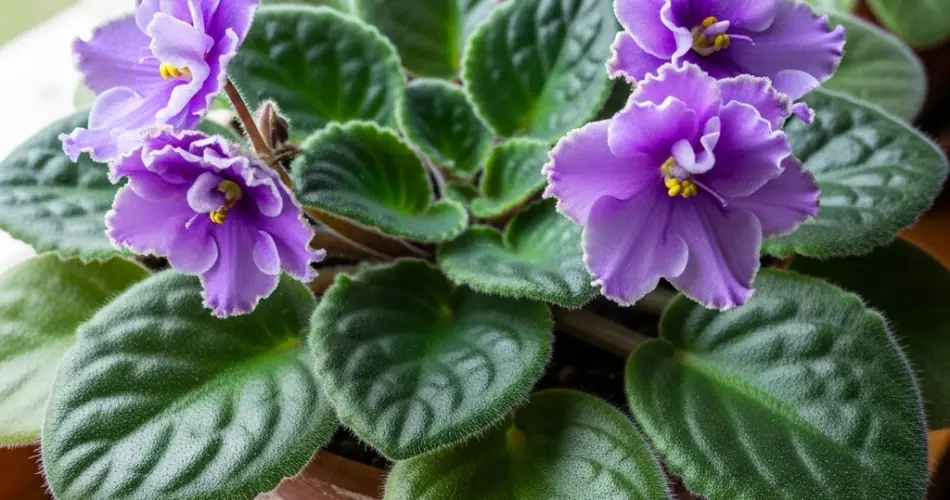
African violets are beloved for their delicate, velvety leaves and clusters of vibrant blooms that can brighten any indoor space. When cared for properly, these charming plants can flower several times a year and even maintain blooms for extended periods. The secret lies in creating the right growing environment and following a consistent care routine.
Choosing the Right Location
African violets thrive in bright, indirect light. Too little light will cause slow growth and fewer flowers, while direct sunlight can scorch their soft leaves. An east- or north-facing window often provides the ideal conditions. If natural light is limited, a fluorescent or LED grow light positioned about 12–15 inches above the plant can be an excellent alternative.
Rotate the pot every week so all sides receive equal light, preventing uneven growth. Avoid placing your African violet in drafty spots or near heating and cooling vents, as sudden temperature changes can disrupt blooming.
Ideal Temperature and Humidity
These plants prefer a consistent temperature between 65°F and 75°F (18°C to 24°C). Cooler conditions can slow blooming, while heat above 80°F (27°C) may stress the plant.
African violets also benefit from moderate to high humidity, around 50% or more. If your indoor air is dry, try grouping plants together, using a pebble tray with water, or running a small humidifier nearby.
Soil and Potting Mix
African violets need a light, airy, and well-draining potting mix. Regular garden soil is too heavy and can suffocate roots. A mix designed specifically for African violets, or a blend of peat moss, perlite, and vermiculite, provides the perfect balance of moisture retention and aeration.
Plant them in small pots — usually no more than one-third the diameter of the leaf spread. Oversized pots encourage root growth at the expense of flowers. Repot every 6–12 months to refresh the soil and prevent compaction, which can reduce airflow to the roots.
Watering for Healthy Blooms
Watering is one of the most important aspects of African violet care. These plants dislike water on their leaves, which can cause spotting or rot. Instead, use the bottom-watering method: place the pot in a shallow dish of room-temperature water for about 20–30 minutes, allowing the roots to absorb moisture. Once the topsoil feels evenly moist, remove the pot from the water and let it drain completely.
Let the top ½ inch (1.25 cm) of soil dry slightly before the next watering. Overwatering can lead to root rot, while underwatering may cause wilting and fewer flowers. Always use room-temperature water to avoid shocking the roots.
Fertilizing for Continuous Flowers
African violets are light feeders but benefit from regular nutrition, especially during their active growing and blooming periods. Use a balanced, water-soluble fertilizer formulated for African violets every 2–4 weeks. Too much fertilizer can cause excessive leaf growth and fewer flowers, while too little can result in pale foliage and weak stems.
A balanced ratio such as 14-12-14 or 20-20-20, diluted to half the recommended strength, works well. If your plant stops blooming, try slightly increasing the phosphorus content to encourage flower production.
Encouraging Long-Lasting Blooms
To keep your African violet blooming for as long as possible:
-
Remove faded or dying flowers promptly to redirect energy into new blooms.
-
Maintain consistent light, temperature, and watering routines.
-
Avoid repotting during peak blooming unless absolutely necessary.
Keeping the plant slightly root-bound often encourages more frequent flowering. However, if you notice roots crowding the surface, it’s time to refresh the potting mix.
Pest and Disease Prevention
African violets are generally hardy but can be susceptible to pests like aphids, mealybugs, and spider mites. Regularly check the undersides of leaves for signs of trouble. Wiping the leaves with a damp cloth and isolating affected plants can prevent infestations from spreading.
To avoid fungal diseases, keep leaves dry and provide adequate air circulation. If powdery mildew or crown rot develops, remove affected parts and adjust watering habits.
Propagation for More Plants
One of the joys of growing African violets is how easily they can be propagated. Leaf cuttings are the most common method:
-
Select a healthy, mature leaf with a short stem.
-
Insert the stem into a moist, light potting mix.
-
Keep the cutting in bright, indirect light and maintain high humidity until new plantlets emerge.
With this method, you can create new African violets to expand your collection or share with friends.
Final Thoughts
African violets reward consistent care with lush foliage and extended flowering periods. By providing bright but indirect light, moderate humidity, a well-draining potting mix, and careful watering, you’ll create an environment where these delicate plants thrive. Regular feeding, prompt removal of faded blooms, and attention to pot size will keep your plant healthy and blooming for months at a time.
With the right techniques, African violets can become a long-lasting source of beauty and color in your home — proof that a little care and attention go a long way in plant happiness.


