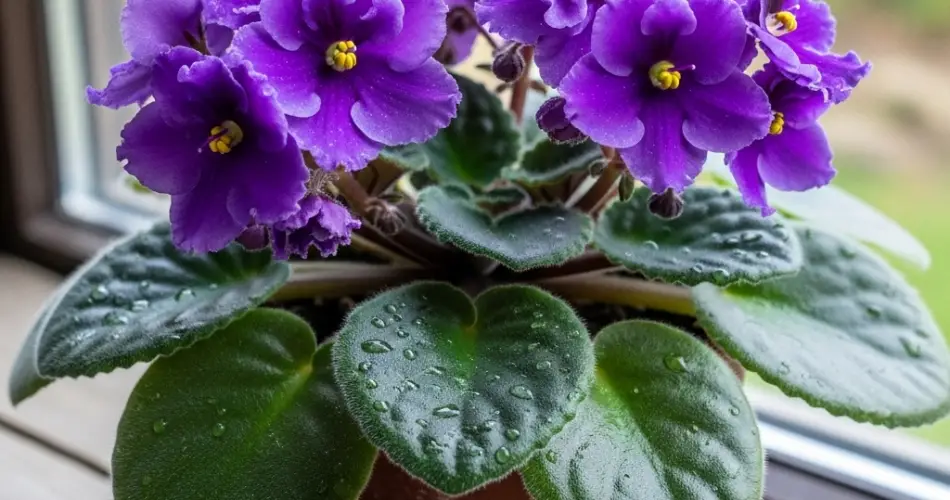
African violets are one of the most beloved indoor flowering plants, known for their velvety leaves and delicate blooms in shades of purple, pink, blue, and white. While they are relatively easy to grow, African violets thrive best when given consistent care. Establishing daily and weekly routines helps keep them healthy, blooming, and free from common problems.
This guide will outline simple, manageable steps you can follow to maintain your African violets in peak condition all year round.
Daily Care Routine
1. Check Soil Moisture
African violets prefer evenly moist soil but do not like sitting in water. Each day, gently touch the surface of the soil with your fingertip. If it feels dry to the touch, it may be time to water. Avoid watering directly onto the leaves to prevent spotting; instead, water at the base of the plant or use the bottom-watering method by placing the pot in a shallow tray of water for about 20–30 minutes.
2. Observe the Leaves and Flowers
Take a quick look at your plant’s foliage and blooms daily. Healthy leaves should be firm, slightly fuzzy, and vibrant green. Wilted or yellowing leaves may indicate issues such as overwatering, underwatering, or lack of nutrients. Remove any wilted flowers to encourage new blooms.
3. Ensure Proper Light
African violets need bright but indirect light. If you keep them near a window, ensure that direct sunlight is filtered through sheer curtains to prevent leaf scorch. In low-light environments, consider using a small grow light to provide 10–12 hours of light daily.
4. Monitor Room Conditions
African violets thrive in stable indoor environments. Keep the temperature between 18°C and 24°C (65°F–75°F) and maintain moderate humidity. Avoid placing them near heaters, air conditioners, or cold drafts, as sudden changes in temperature can stress the plant.
Weekly Care Routine
1. Watering and Feeding
While you’ll check moisture daily, most African violets require watering once or twice a week, depending on your home’s humidity and temperature. Use room-temperature water and avoid splashing the leaves. Every 2–4 weeks, feed your plant with a balanced, water-soluble fertilizer specially formulated for African violets. This encourages steady growth and frequent flowering.
2. Grooming and Deadheading
Once a week, take a few minutes to remove yellowing leaves and spent blooms. This keeps the plant tidy and directs its energy toward producing more flowers. Use clean, sharp scissors to avoid damaging healthy tissue.
3. Clean the Leaves
Dust can accumulate on the fuzzy leaves, reducing their ability to photosynthesize. Gently brush away dust with a soft paintbrush or blow lightly to dislodge it. Avoid washing leaves under running water, as this can leave water spots.
4. Rotate the Pot
To promote even growth, turn the pot slightly each week. African violets tend to grow toward the light source, and rotating ensures a balanced, symmetrical shape.
5. Check for Pests
Examine the undersides of leaves and the crown for signs of pests like thrips, spider mites, or mealybugs. Early detection allows you to take quick action before the problem spreads.
Seasonal Adjustments
Spring and Summer:
Your African violet will grow and bloom more actively during warmer months. Continue regular watering, feeding, and grooming. This is also a good time to propagate new plants from leaf cuttings if you want to expand your collection.
Fall and Winter:
Growth may slow slightly as days get shorter. Reduce watering frequency but maintain consistent moisture. If natural light decreases, increase exposure with a grow light to maintain blooming. Ensure the plant is not exposed to cold windows or drafts.
Tips for Long-Term Success
-
Use the Right Pot and Soil – African violets grow best in shallow pots with good drainage. Use a lightweight, well-aerated potting mix designed specifically for African violets.
-
Avoid Overcrowding – If multiple crowns form in one pot, separate them to prevent competition for nutrients.
-
Repot Annually – Refresh the soil once a year to replenish nutrients and prevent compaction. This also helps avoid salt buildup from fertilizers.
-
Stay Consistent – These plants dislike sudden changes. Maintain a steady routine for watering, feeding, and lighting.
Troubleshooting Common Problems
-
No Blooms: Often caused by insufficient light, lack of fertilizer, or old soil.
-
Leaf Spots: Usually from water splashing on leaves or exposure to cold water.
-
Crown Rot: Caused by overwatering or allowing water to sit on the crown.
-
Pale Leaves: Could be due to too much direct light or nutrient deficiencies.
Final Thoughts
African violets are beautiful, rewarding plants that flourish with a little attention each day and week. By developing a simple care routine—checking soil moisture daily, ensuring proper lighting, watering and feeding weekly, and keeping the plant tidy—you can enjoy healthy growth and vibrant blooms throughout the year.
With patience and consistency, your African violets can become long-lived companions that brighten your home with their soft foliage and colorful flowers.


