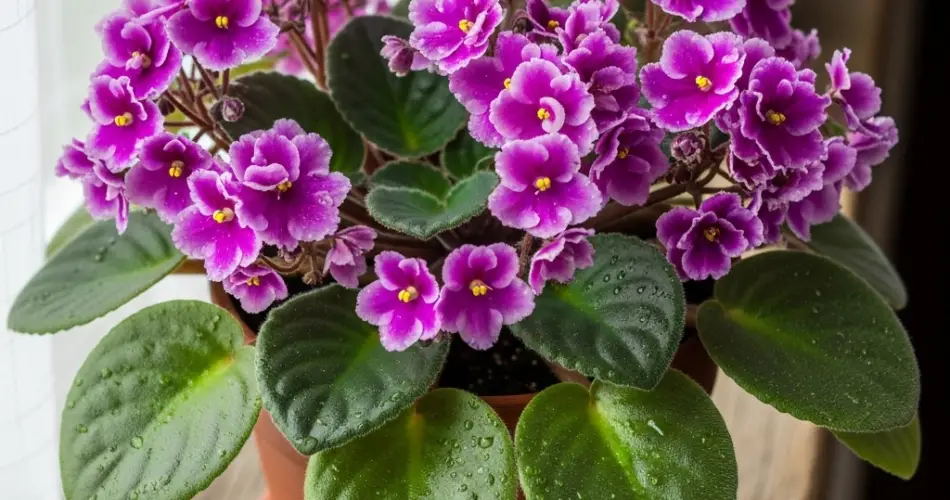
African violets are among the most popular flowering houseplants, loved for their velvety leaves and bright, cheerful blooms. While they are relatively easy to care for, the right potting techniques and grooming habits can make the difference between a plant that merely survives and one that thrives with vibrant, long-lasting flowers.
In this guide, you’ll learn the best ways to pot your African violets and maintain their appearance through simple grooming practices.
Choosing the Right Pot
African violets grow best in shallow pots because their roots are relatively short and prefer to spread outward rather than downward. A pot with a diameter of about one-third the size of the plant’s leaf span is ideal.
Material Matters
-
Plastic pots are lightweight and retain moisture well, making them a practical choice for those who may forget to water occasionally.
-
Clay pots provide better airflow to the roots but can dry out faster, requiring more frequent watering.
Drainage Is Essential
Good drainage is crucial to prevent root rot. Always choose pots with drainage holes, and avoid letting the plant sit in standing water for extended periods.
Selecting the Right Soil
African violets need a well-draining, lightweight potting mix. Standard garden soil is too dense and can suffocate roots. A good African violet mix usually contains peat moss for moisture retention, perlite or vermiculite for aeration, and a small amount of compost for nutrients.
Pro Tip: A slightly acidic pH between 6.0 and 6.5 helps African violets absorb nutrients more efficiently.
Repotting for Healthier Plants
Repotting once a year not only refreshes the soil but also prevents compaction and the buildup of fertilizer salts, which can damage the roots.
Steps for Repotting:
-
Gently remove the plant from its old pot, holding it by the base of the leaves rather than the stems.
-
Shake off excess soil and inspect the roots for signs of rot or damage.
-
Remove any dead or damaged leaves from the lower part of the plant.
-
Place the plant in fresh soil, keeping the crown slightly above the surface to prevent rot.
If your African violet has grown a “neck” (a bare stem between the soil and lower leaves), you can bury part of it during repotting to encourage new root growth.
Grooming for a Neat and Healthy Appearance
Grooming is not just about aesthetics—it also improves the plant’s health and encourages more blooms.
1. Leaf Removal
Remove yellowed, wilted, or damaged leaves promptly. This prevents the plant from wasting energy on non-productive foliage and improves airflow around the crown.
2. Deadheading Flowers
Spent blooms should be removed as soon as they start to fade. Gently pinch them off at the base of the flower stem to promote new blooms.
3. Leaf Cleaning
African violet leaves are covered in fine hairs that can trap dust. A soft paintbrush or gentle puff of air can remove debris without damaging the surface. Avoid wiping leaves with a cloth or rinsing under running water, as this can cause spotting.
Encouraging Balanced Growth
African violets naturally grow toward the light, which can lead to uneven shapes. Rotate the pot a quarter turn every week to ensure even growth and a symmetrical appearance.
If you notice the plant becoming too crowded in the center, remove a few inner leaves to allow light and air to reach all parts of the plant.
Feeding for Vibrant Blooms
Regular feeding keeps your African violets blooming. Use a fertilizer formulated specifically for African violets, typically with a balanced ratio such as 14-12-14 or 20-20-20. Feed lightly every two weeks during the active growing season, and reduce feeding in the winter when growth slows.
Common Potting and Grooming Mistakes to Avoid
-
Overpotting: A pot that’s too large can hold excess moisture, leading to root rot.
-
Heavy Soil: Dense soil mixes suffocate the roots and slow growth.
-
Crowning the Plant: Planting too deeply can cause crown rot, while planting too shallowly can leave roots exposed.
-
Neglecting Dead Leaves: Decaying foliage can harbor pests and diseases.
Signs Your African Violet Needs Attention
-
Fewer Blooms: May indicate the need for fresh soil, better light, or more frequent feeding.
-
Leggy Growth: Usually caused by insufficient light or failure to rotate the plant.
-
Pale Leaves: Can result from too much direct sun, nutrient deficiencies, or poor soil.
Final Thoughts
The combination of correct potting and consistent grooming is the key to keeping African violets healthy and in bloom. By selecting the right pot size, using a well-draining mix, repotting annually, and practicing regular leaf and flower maintenance, you create an environment where your plant can flourish.
With these habits in place, your African violets can reward you with lush leaves and a continuous display of colorful flowers, brightening your home for many years to come.


