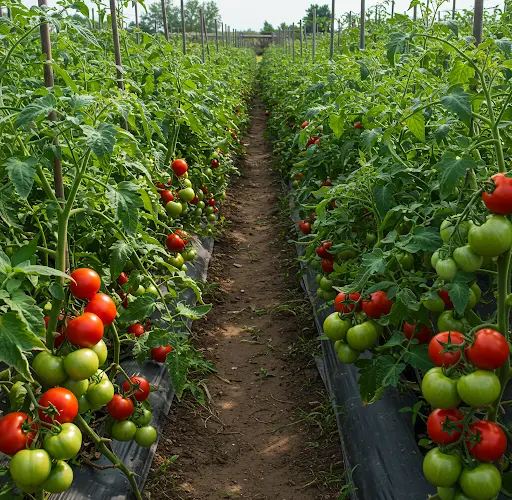
You Won’t Be Disappointed – Here’s My Tip to Have Tomatoes All Year Round
Tomatoes are one of the most beloved and versatile vegetables (or fruits, botanically speaking) in home gardens. Whether you enjoy them fresh in salads, cooked in sauces, or blended into juices, having a continuous supply of homegrown tomatoes is a dream for many. The good news? You can grow tomatoes all year round, even if you don’t have a traditional garden.
In this article, I’ll share my tried-and-tested tips for ensuring a year-round tomato harvest, whether you grow them indoors, on a balcony, or in a small backyard. With the right approach, you’ll never have to buy tomatoes from the store again!
1. Why Grow Tomatoes All Year Round?
Growing tomatoes at home is not only rewarding but also highly beneficial. Here’s why you should consider cultivating them year-round:
✅ Better Taste – Homegrown tomatoes taste fresher and sweeter than store-bought ones. ✅ Chemical-Free – You control what goes into your plants, avoiding harmful pesticides. ✅ Cost-Effective – No need to spend money on store-bought tomatoes. ✅ Continuous Supply – Enjoy fresh tomatoes whenever you want. ✅ Fun and Rewarding – Gardening is a great hobby that brings joy and relaxation.
By following a few key techniques, you can ensure that your tomato plants keep producing in every season.
2. Choosing the Right Tomato Varieties
To achieve year-round tomato production, you need to select the right varieties. There are two main types of tomatoes:
🥬 Determinate Tomatoes (Bush Varieties) – These grow to a set height and produce fruit all at once. Great for quick harvests but not ideal for year-round growing.
🌿 Indeterminate Tomatoes (Vine Varieties) – These continue growing and producing fruit over a long period, making them perfect for continuous harvesting.
For a year-round supply, choose indeterminate varieties like:
- Cherry Tomatoes – Quick-growing and high-yielding.
- Roma Tomatoes – Ideal for sauces and cooking.
- Beefsteak Tomatoes – Large, juicy, and perfect for slicing.
- Yellow Pear Tomatoes – Unique flavor and long fruiting period.
3. Growing Tomatoes Indoors for Year-Round Harvest
If you don’t have an outdoor garden, growing tomatoes indoors is a fantastic alternative. Follow these steps for success:
Step 1: Choosing the Right Container
- Use 5-gallon pots for larger varieties and hanging baskets for cherry tomatoes.
- Ensure containers have good drainage holes to prevent root rot.
Step 2: Providing Enough Light
☀️ Tomatoes need 12–16 hours of light per day. 💡 If growing indoors, use LED grow lights to supplement natural light. 🌞 Place plants near south-facing windows for the best results.
Step 3: Soil and Fertilization
🌱 Use high-quality potting mix with compost or organic fertilizer. 🌱 Feed tomatoes with a balanced fertilizer every 2–3 weeks. 🌱 Apply calcium-rich supplements (like crushed eggshells) to prevent blossom-end rot.
Step 4: Pollination
🐝 Indoor plants need hand pollination since there are no bees or wind. 🐝 Gently shake the flowers or use a small paintbrush to transfer pollen.
4. Staggered Planting for Continuous Harvest
One of the best ways to ensure a continuous tomato supply is staggered planting.
🌿 Sow new seeds every 4–6 weeks to ensure fresh plants are always growing. 🌿 This prevents a single plant from exhausting its production cycle. 🌿 Mix indoor and outdoor growing if possible, using containers for flexibility.
5. Extending the Outdoor Growing Season
If you prefer growing tomatoes outdoors, you can extend their production using these techniques:
Using a Greenhouse or Polytunnel
🏡 A small greenhouse or plastic tunnel protects plants from cold temperatures. 🏡 It maintains warmth, allowing tomatoes to produce even in cooler months.
Mulching and Covering Plants
🍂 Add mulch around the base to keep soil warm. 🍂 Use row covers or plastic sheets on colder nights.
Pruning and Maintenance
🌿 Regularly prune tomato plants to remove dead leaves and suckers. 🌿 Train vines on stakes or cages for better air circulation and productivity.
6. Common Problems and How to Fix Them
🚨 Leaves Turning Yellow? – Overwatering or lack of nitrogen. Adjust watering and use organic fertilizer. 🚨 Blossom-End Rot? – Calcium deficiency. Add crushed eggshells or calcium supplements. 🚨 No Fruits? – Lack of pollination. Hand-pollinate or attract bees. 🚨 Pests? – Use neem oil or insecticidal soap to deter aphids and whiteflies.
7. Harvesting and Storing Tomatoes
Tomatoes are best harvested when they are fully colored and slightly firm.
🔪 For Immediate Use: Pick when ripe and store at room temperature. ❄️ For Long-Term Use: Freeze whole, make tomato paste, or dehydrate slices. 🍅 For Green Tomatoes: Let them ripen indoors in a warm, dry place.
8. Why This Method Works So Well
✅ Combines Indoor and Outdoor Growing – Ensures a constant supply. ✅ Uses Staggered Planting – Prevents gaps in harvest. ✅ Utilizes Controlled Environments – Grow tomatoes year-round, regardless of climate. ✅ Adapts to Small Spaces – Perfect for apartments and balconies.
9. Conclusion: Start Growing Tomatoes Year-Round Today!
If you love tomatoes, there’s no reason to go without them at any time of the year! By following these simple but effective tips, you can enjoy a continuous harvest of fresh, juicy tomatoes whether you have a garden or not.
Whether you grow them indoors, stagger your planting, or extend your outdoor season, these methods will ensure you always have delicious homegrown tomatoes ready for your favorite meals.
So why wait? Start growing tomatoes today, and you’ll never have to buy them from the store again! 🍅🌱


